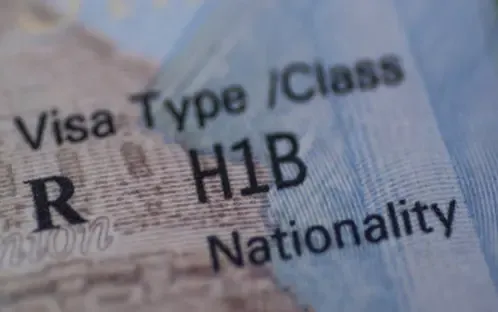
Is the US Addressing Alleged Manipulation in the H-1B Visa System?
Click to start listening
Synopsis
The US government is taking significant steps to curb abuses in the H-1B visa system. New regulations aim to enhance integrity and fairness in the visa selection process amid growing concerns over manipulation and fraud. This move underscores the importance of maintaining a transparent and reliable system for high-skilled workers.
Key Takeaways
- US government addresses H-1B visa system manipulation.
- New regulations enhance process integrity and fairness.
- Measures discourage wage manipulation and multiple registrations.
- Focus on consistency in job information and wage reporting.
- Stricter penalties for inaccurate filings to deter abuse.
Washington, Dec 26 (NationPress) The US government has raised alarms regarding potential manipulation and misuse within the H-1B visa system, leading to significant changes in the annual visa selection process.
The Department of Homeland Security (DHS), in a recent federal notice, emphasized the necessity of these modifications to enhance process integrity and maintain equity in the cap-subject H-1B program.
The newly implemented regulations highlight various practices that the DHS identified as concerning during past filing cycles, such as wage manipulation, inconsistent job information, and the submission of multiple registrations linked to related entities.
In a compelling argument, the DHS stated that these reforms intend to diminish the opportunities for employers to exploit the system and guarantee that selections correspond to genuine job offers rather than strategic submissions.
One significant issue raised in public feedback was the risk of employers artificially inflating wages to enhance their chances of selection. The DHS confirmed that the new rule incorporates measures to mitigate such practices and ensure consistency between registrations and final submissions.
The department also pointed out the potential for manipulation with job locations. Some feedback indicated that registering higher-paying locations while intending to place workers elsewhere could undermine the system's credibility.
The DHS plans to emphasize uniformity between the information provided during registration and that in the complete petition, including job duties, wage levels, and work locations.
Another concern involved multiple registrations for the same worker, as the DHS noted that distinct entities filing separate registrations for one beneficiary could distort selection results and erode trust in the process.
The final rule strengthens certification requirements and delineates penalties for inaccurate or misleading submissions. The DHS aims to deter misuse and alleviate unnecessary burdens on adjudication resources.
While addressing concerns regarding job classification manipulation under the Standard Occupational Classification system, several commenters cautioned that employers might selectively choose job codes to justify inflated wages without legitimate job duties, as per the federal notice.
This regulation aims to provide a clearer legal standard and minimize ambiguity, aiding both employers and regulators in understanding compliance expectations. It is worth noting that it focuses solely on modifications within existing H-1B regulations and does not introduce new environmental, tribal, or federalism impacts necessitating additional reviews.
The department asserted that the revised procedure would enhance transparency while ensuring access to high-skilled workers.
The H-1B program, which is capped by Congress each year, has come under scrutiny for issues of fraud, fairness, and enforcement, given that the demand for visas consistently surpasses the available supply.
In light of stalled reforms in Congress, US immigration authorities have increasingly turned to regulatory changes rather than legislative action to address vulnerabilities in the system.
Point of View
We recognize the importance of maintaining a fair and transparent immigration system. The recent changes to the H-1B visa process reflect the government's commitment to addressing concerns about manipulation and ensuring that high-skilled workers have access to legitimate job opportunities. We believe that these reforms will enhance trust in the program and contribute to a more equitable system.
NationPress
26/12/2025
Frequently Asked Questions
What prompted the changes to the H-1B visa system?
The US government cited concerns about manipulation and abuse within the H-1B visa system as a primary reason for overhauling the annual selection process, aiming to strengthen integrity and fairness.
What are the main changes being implemented?
The new regulations include measures to discourage wage manipulation, ensure consistency in job information, and impose stricter penalties for inaccurate filings.
How will these changes affect employers?
Employers will need to adhere to stricter guidelines regarding job classifications and wage reporting, with enhanced scrutiny on multiple registrations for the same worker.
What is the goal of the revised H-1B visa regulations?
The goal is to reduce exploitation of the system and ensure that visa selections reflect genuine job offers rather than strategic manipulations.
Will these changes impact high-skilled workers?
The revisions are designed to improve the transparency of the H-1B program while maintaining access to high-skilled workers in the US labor market.