Will the US Raise Tariffs on South Korea for Non-Progress?
Synopsis
In a significant warning, South Korea's Foreign Minister Cho Hyun revealed that US Trade Representative Jamieson Greer threatened to increase tariffs back to 25% if Seoul fails to address non-tariff barriers. This article delves into the implications of the potential tariff hike and the urgency for legislative action.
Key Takeaways
US threatens to raise tariffs on South Korea if non-tariff barriers are not addressed.
Current tariff rate is at 15 percent.
Seoul's commitment to invest US$350 billion in the US is at stake.
Regulatory measures on digital services and agriculture are under scrutiny.
US delegation to visit South Korea for further negotiations.
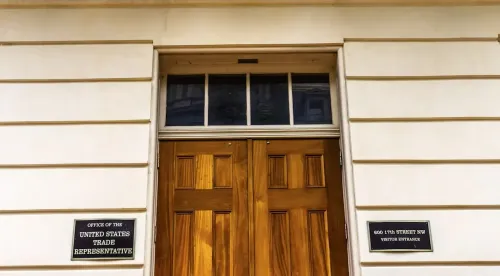
Seoul, Feb 9 (NationPress) South Korea's Foreign Minister Cho Hyun stated on Monday that US Trade Representative Jamieson Greer notified him that the United States would revert reciprocal tariffs to the previous level of 25 percent if Seoul does not make significant progress in addressing non-tariff barriers.
Cho provided lawmakers with insights from his meeting with Greer in Washington last week, as Seoul aims to maintain the trade agreement with its ally, especially following a warning from US President Donald Trump about increasing the tariff rate from 15 percent due to South Korea's slow legislative pace.
"The US intends to raise tariffs on South Korea to mitigate its trade deficit if discussions regarding non-tariff barriers do not progress," Cho remarked during a session at the National Assembly, as reported by Yonhap news agency.
Seoul has pledged to invest US$350 billion in the US in exchange for a reduction of the duty to 15 percent. However, Trump has threatened to increase tariffs as the legislation to implement the trade agreement remains stalled in the National Assembly since its introduction in late November.
Non-tariff barriers primarily refer to South Korea's regulatory measures related to digital platform services, such as Google Inc., as well as quarantine regulations for agricultural imports and certification requirements in various sectors, including autos and pharmaceuticals.
Washington has raised concerns that Seoul's approach to tightening regulations on digital services may be discriminatory and has urged a relaxation of existing requirements in agriculture and other fields.
According to Cho, Greer emphasized the slow progress on the investment commitment and mentioned that discussions on non-tariff issues have yet to occur despite US requests to advance the deal.
"(He) indicated that the US cannot dedicate excessive time to the South Korean market, as it must also engage with other nations regarding non-tariff barriers," Cho recounted.
"(He conveyed) that South Korea should recognize the US's intent to address its trade deficit with South Korea through a tariff increase 'without any emotional considerations' if progress is not achieved (in the trade deal)," Cho added, noting that Greer urged Seoul to expedite resolution of the matter.
Cho informed lawmakers that Cabinet officials are treating the situation with utmost seriousness and plan to act promptly.
Additionally, Cho confirmed that a US delegation would visit South Korea later this month to discuss expanding Seoul's rights related to civil uranium enrichment and spent fuel reprocessing.
"I received confirmation from US Secretary of State Marco Rubio during our discussions that an interagency US team would visit (South Korea) in February," Cho stated.
Point of View
It's imperative to recognize the gravity of the trade discussions between the US and South Korea. The potential for tariff increases is not just a matter of economics; it reflects the complex diplomatic relationship between these two nations. As South Korea navigates its legislative processes, the urgency to address non-tariff barriers becomes paramount in preserving this crucial trade agreement.
NationPress
20 Sept 2026
Frequently Asked Questions
What are non-tariff barriers?
Non-tariff barriers refer to regulations and restrictions other than tariffs that countries impose on imported goods. These can include quotas, import licenses, and various standards that must be met before goods can enter a market.
Why might the US raise tariffs on South Korea?
The US may raise tariffs if South Korea fails to make progress in addressing non-tariff barriers, which the US believes affect its trade deficit with South Korea.
What is the current tariff rate?
Currently, the tariff rate on South Korean goods is at 15 percent, which the US may increase to 25 percent if no progress is made.
What impact could increased tariffs have?
Increased tariffs could lead to higher prices for South Korean goods in the US market, potentially affecting sales and economic relationships between the two countries.
When is the US delegation visiting South Korea?
The US delegation is scheduled to visit South Korea later this month to discuss expanding rights related to civil uranium enrichment and spent fuel reprocessing.