US veteran data theft: Robert Boling pleads guilty to cyber fraud conspiracy

Synopsis
A US national who ran a cross-border identity-theft ring from the Philippines has pleaded guilty to stealing money from thousands of military veterans — including elderly and disabled ones — using data secretly photographed by a US Army employee in South Korea. Two co-conspirators are still fugitives, and sentencing is set for January 2027.
Key Takeaways
Robert Wayne Boling Jr. , 45 , pleaded guilty on 21 October 2026 to wire fraud conspiracy and money laundering conspiracy targeting US military veterans.
Personal data was stolen by Fredrick Brown , a civilian US Army medical records administrator in South Korea , who secretly photographed sensitive records.
Victims included elderly and disabled veterans who depended on government benefits for financial support.
Boling was deported from the Philippines to the US in May 2026 ; sentencing is scheduled for 14 January 2027 , with a maximum penalty of 20 years per charge.
Co-conspirators Brown and Trorice Crawford received prison sentences of 151 months and 46 months respectively; Jongmin Seok and Allan Albert Kerr remain fugitives.
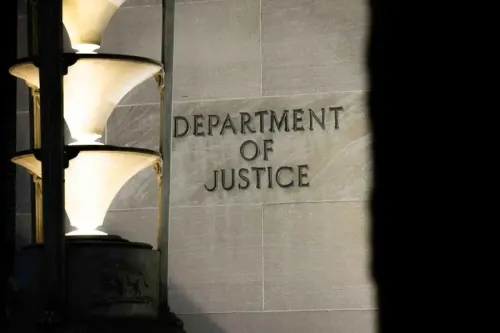
Robert Wayne Boling Jr., 45, an American national who operated from the Philippines, has pleaded guilty to participating in a cyber-enabled fraud scheme that targeted thousands of US military personnel and veterans, using stolen personal information to drain bank accounts and siphon government benefits. The US Justice Department announced the guilty plea on 21 October 2026, marking a significant development in one of the more elaborate identity-theft conspiracies to target the American military community in recent years.
How the Scheme Operated
At the centre of the conspiracy was Fredrick Brown, a civilian medical records administrator employed by the US Army in South Korea. Brown secretly photographed sensitive personal data — including records of serving soldiers, veterans, and their families — and supplied the material to Boling. Operating from the Philippines, Boling then worked with other conspirators to exploit that information and gain unauthorised access to victims' financial accounts.
Federal prosecutors said the network also recruited money mules inside the United States to receive stolen funds through their personal bank accounts, before portions of the money were transferred to the Philippines. The stolen data enabled the group to compromise both private bank accounts and online government benefits portals.
Victims: Elderly and Disabled Veterans Among Those Targeted
The Justice Department noted that the victims included elderly and disabled veterans who depended entirely on their benefits for daily financial support. Assistant Attorney General A. Tysen Duva of the Justice Department's Criminal Division condemned the scheme in a statement: 'Those who courageously served our nation deserve our gratitude and protection — not to become targets for criminals seeking to profit from their sacrifice.' Duva said Boling had exploited personal information belonging to thousands of military-affiliated individuals.
Charges, Sentencing and Co-Conspirators
Boling was deported from the Philippines to the United States in May 2026 to face charges. He has pleaded guilty to one count of conspiracy to commit wire fraud and one count of conspiracy to commit money laundering, each carrying a maximum statutory penalty of 20 years in prison. Sentencing is scheduled for 14 January 2027.
Two co-conspirators have already been sentenced: Brown received 151 months in prison, while Trorice Crawford was sentenced to 46 months. Two other alleged conspirators — Jongmin Seok and Allan Albert Kerr — remain fugitives, according to the Justice Department.
Wider Implications for Military Data Security
The case underscores a persistent vulnerability: insider access to sensitive government records. Brown's ability to photograph personal data undetected for long enough to compromise thousands of records points to gaps in physical and digital access controls within military administrative facilities. This comes amid growing scrutiny of how personally identifiable information held by government contractors and civilian employees is safeguarded. Notably, the cross-border nature of the conspiracy — spanning South Korea, the Philippines, and the United States — complicated the investigation and required international law enforcement coordination to bring Boling back to face US courts.
Point of View
Korean-sourced data, US-based money mules — also illustrates how domestic military benefit systems remain exposed to transnational criminal networks. With two alleged conspirators still at large, the network may not be fully dismantled.
NationPress
21 Oct 2026
Frequently Asked Questions
Who is Robert Wayne Boling Jr. and what did he plead guilty to?
Robert Wayne Boling Jr. is a 45-year-old American who operated from the Philippines and pleaded guilty to one count of conspiracy to commit wire fraud and one count of conspiracy to commit money laundering. The charges relate to a cyber-enabled scheme that used stolen personal data to access bank accounts and government benefits belonging to thousands of US military personnel and veterans.
How was the personal data of US veterans stolen?
Fredrick Brown, a civilian medical records administrator employed by the US Army in South Korea, secretly photographed sensitive personal information and supplied it to Boling. That data was then used to compromise the financial accounts of military personnel, veterans, and their families.
When will Robert Boling be sentenced?
Boling is scheduled to be sentenced on 14 January 2027. Each of his two charges — conspiracy to commit wire fraud and conspiracy to commit money laundering — carries a maximum statutory penalty of 20 years in prison.
What happened to the other conspirators in this case?
Fredrick Brown was sentenced to 151 months in prison and Trorice Crawford received 46 months after both pleaded guilty. Two other alleged conspirators, Jongmin Seok and Allan Albert Kerr, remain fugitives, according to the Justice Department.
Why are US veterans particularly vulnerable to this type of fraud?
Many veterans, especially elderly and disabled ones, rely entirely on government benefit payments deposited into financial accounts, making the disruption of those accounts financially devastating. Their personal records, held by military and veterans' administration systems, represent a high-value target for identity theft networks.