Vance: US wants elite foreign talent, not H-1B worker replacement
Synopsis
J.D. Vance drew a pointed line at a visa-fraud press conference: Elon Musk-level talent is welcome; routine H-1B hiring to cut wages is not. With a new fee proposed and a two-test eligibility framework floated, the Trump administration is signalling a fundamental rethink of a programme that has been the primary gateway for Indian tech workers into the US labour market.
Key Takeaways
US Vice-President J.D.
Vance on 8 October 2026 said the Trump administration wants only elite foreign talent , not workers used to replace American employees.
Vance said most H-1B visas are being used to undercut American middle-class workers with lower-paid overseas hires.
He proposed a two-test standard: the role cannot be filled by an American, and the applicant must possess exceptional abilities .
The administration is imposing an additional fee on H-1B applications to deter wage-arbitrage hiring.
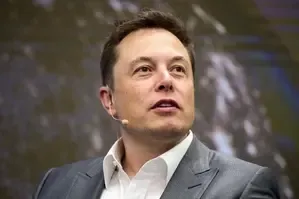
Vance cited Elon Musk and AMD CEO Lisa Su as models of the foreign talent the US should attract.
Indian professionals , who account for the largest share of H-1B approvals, face the most direct exposure to any policy tightening.
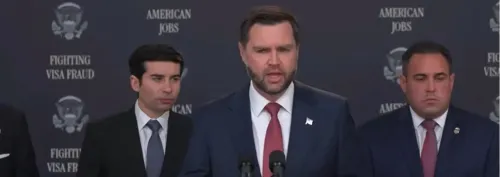
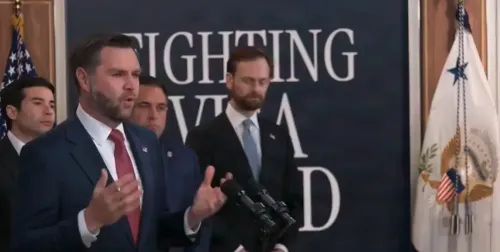
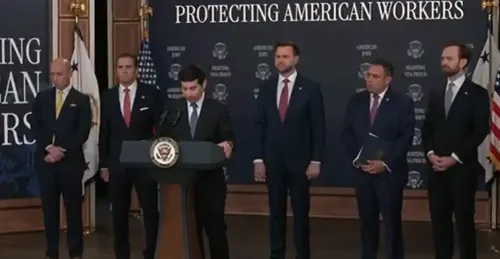
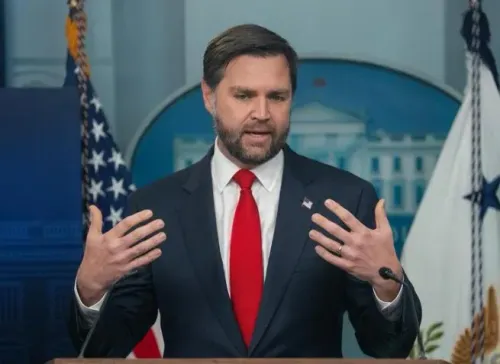
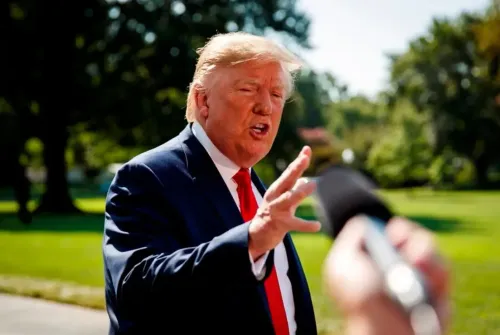
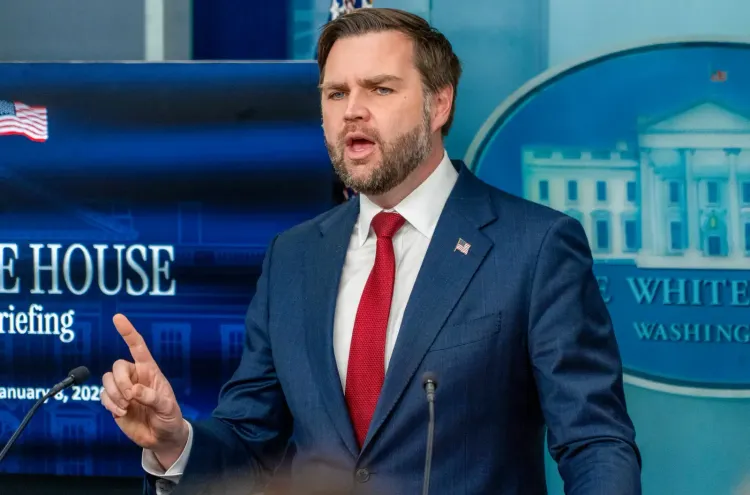
US Vice-President J.D. Vance on Thursday, 8 October 2026 drew a sharp distinction between the kind of foreign talent the Trump administration welcomes and the use of immigration programmes to undercut American workers, singling out the H-1B visa scheme as having drifted from its founding purpose. His remarks, delivered at a press conference focused on visa fraud in Washington, carry significant implications for Indian technology professionals, who have historically made up a large share of H-1B recipients.
What Vance Said
Vance said the administration would continue welcoming foreigners with extraordinary skills and abilities, citing Elon Musk and AMD chief executive Lisa Su as examples of exceptional international talent whose contributions had benefited American innovation and economic growth.
'We want a lot of other people to come into the United States of America if they have truly elite specialised skills,' Vance told reporters.
However, he argued that most H-1B usage had diverged from that ideal. 'Unfortunately, what we see with most H-1Bs is that you're taking somebody, I'm sure in most cases, a decent human being, and they're using them to replace an American middle-class worker,' he said.
The Two-Test Framework
Vance outlined two criteria he said immigration authorities should apply when evaluating foreign professionals. The first is whether the applicant would fill a position that cannot be filled by an American worker. The second is whether the individual possesses genuinely exceptional abilities — 'a special set of skills and abilities and work ethic and competence,' in his words.
This two-test framing represents a more explicit standard than current H-1B eligibility rules, which require employers to attest to prevailing-wage compliance but do not mandate proof that no qualified American is available.
Higher Fees as a Filter
The Vice-President also defended the administration's move to impose an additional fee on H-1B applications, arguing it would serve as a natural deterrent against wage-arbitrage hiring. 'If you're actually bringing a truly elite, genius-level, super-specialised person into the United States of America, you're gonna be willing to pay a little bit extra to bring that person into your company,' Vance said. He contended that employers seeking foreign workers primarily to reduce wage costs would be discouraged by the higher cost burden.
Context: H-1B and Indian Professionals
The H-1B programme allows American employers to hire foreign nationals in specialised occupations — chiefly technology, engineering, and scientific research — subject to wage and eligibility requirements. Indian professionals have historically accounted for the largest share of H-1B approvals, making any tightening of eligibility criteria or increase in application costs particularly consequential for Indian workers seeking US employment.
Notably, Vance's remarks came in response to a reporter's question about how the administration could identify 'the next Musk' while simultaneously restricting opportunities for foreign researchers. Musk had studied in the United States and was reportedly accepted at Stanford University before building his business empire — a biographical detail that critics argue complicates the administration's broader restrictionist posture on immigration.
What Comes Next
The administration has not yet announced a formal regulatory change to H-1B eligibility criteria, and it remains unclear when the additional application fee will take effect. Industry bodies and immigration lawyers are expected to scrutinise any forthcoming rulemaking for its practical impact on hiring pipelines, particularly in the US technology sector, which relies heavily on specialised foreign talent. For Indian professionals and the companies that sponsor them, the policy trajectory now hinges on how 'elite' and 'exceptional' are defined in formal regulation.
Point of View
But the policy gap between rhetoric and regulation remains wide. 'Elite' and 'exceptional' are undefined in any current rulemaking, which means the real burden — as always — will fall on employers and applicants navigating an increasingly discretionary system. The additional fee is a blunt instrument: it may deter low-margin outsourcing firms, but it also raises costs for startups and research institutions that genuinely need specialised talent. For Indian technology workers, the more consequential question is not whether Musk-style genius will be welcomed — it obviously will — but whether the median H-1B engineer in cloud infrastructure or software development will continue to clear an ever-higher bar. That question has no answer yet, and the administration's silence on formal regulatory timelines is itself a signal worth watching.
NationPress
8 Oct 2026
Frequently Asked Questions
What did J.D. Vance say about the H-1B visa programme?
Vance said the H-1B programme has drifted from its original purpose and is now frequently used to replace American workers with lower-paid overseas hires. He said the Trump administration supports H-1B only for workers with genuinely elite, specialised skills.
What is the two-test framework Vance proposed for H-1B applicants?
Vance said immigration authorities should check first whether the role cannot be filled by an American worker, and second whether the applicant possesses exceptional abilities and competence. Both tests would need to be satisfied for a visa to be justified, according to his remarks.
Why is the Trump administration adding a fee to H-1B applications?
Vance said the additional fee is designed to deter employers who use H-1B visas primarily to reduce wage costs. He argued that companies seeking genuinely exceptional foreign talent would be willing to absorb the extra cost.
How does this affect Indian professionals?
Indian nationals have historically received the largest share of H-1B visa approvals, making any tightening of eligibility criteria or increase in fees directly consequential for Indian technology workers seeking US employment. A stricter 'elite talent' standard could reduce approvals for the large segment of mid-level technical roles that currently dominate H-1B usage.
Who did Vance cite as examples of acceptable foreign talent?
Vance cited Elon Musk and AMD chief executive Lisa Su as examples of exceptional international talent whose US contributions justified immigration. He contrasted them with the majority of H-1B applicants, whom he characterised as filling roles that American workers could perform.