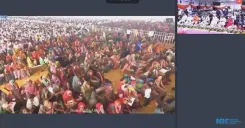
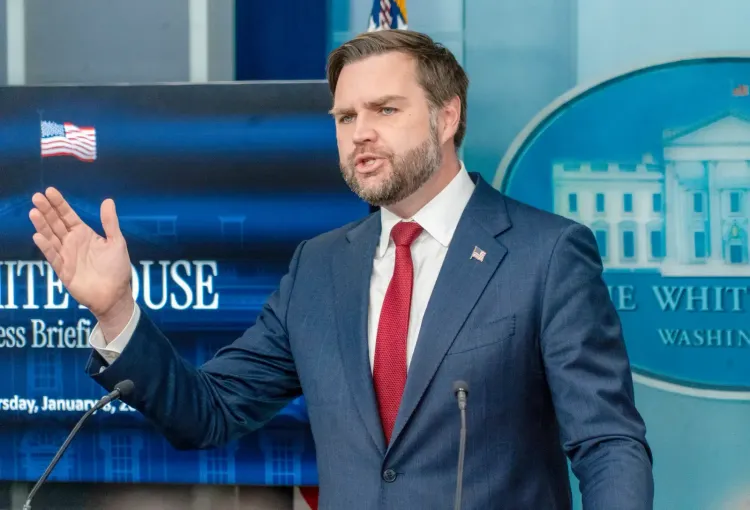
JD Vance targets visa fraud firms replacing US workers at Texas rally
Synopsis
At a campaign rally in Weatherford, Texas, US Vice President JD Vance put visa fraud enforcement front and centre — threatening CEOs and foreign corporations who replace American workers. With $670 billion in manufacturing investment cited and a Senate race to win, Vance's sovereignty pitch is equal parts policy signal and electoral strategy. Crucially, no companies, visas or charges were named.
Key Takeaways
JD Vance said the administration is pursuing visa fraud cases involving firms that replace American workers with foreign labour, speaking at a rally in Weatherford, Texas on 30 October 2026 .
Vance named CEOs and foreign corporations as targets but did not identify specific companies, executives, nationalities, or visa categories.
He cited $670 billion in new US manufacturing investment across ports, refineries, and factories.
Vance extended his 'sovereignty' argument to housing affordability, drug costs, and tax relief on tips, overtime and seniors' income.
He was campaigning in Weatherford for Ken Paxton's US Senate bid, linking policy arguments to Republican electoral prospects.
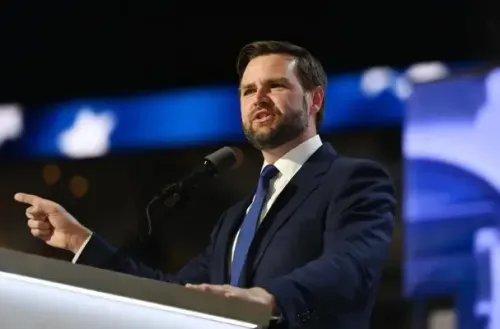
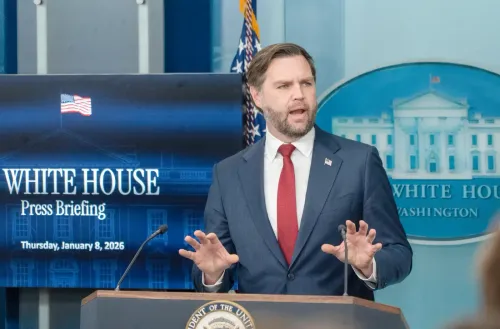
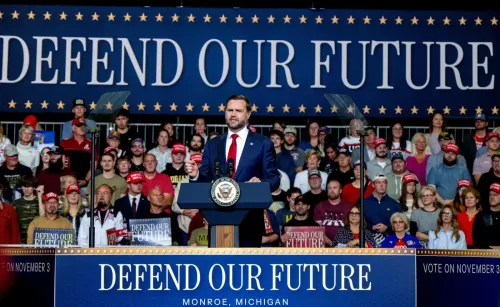
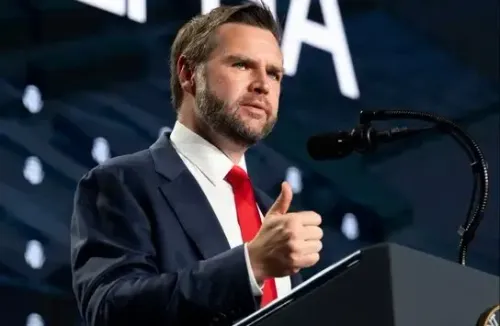
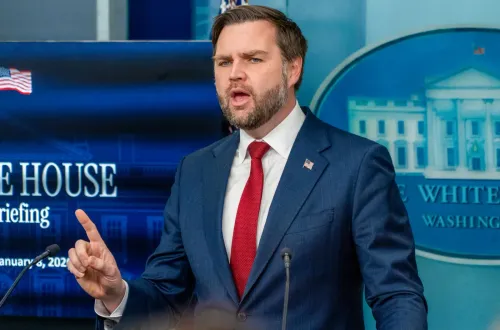
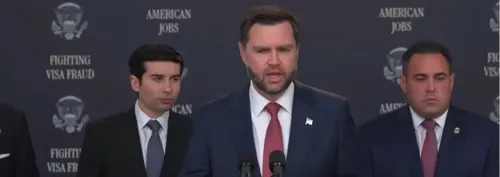
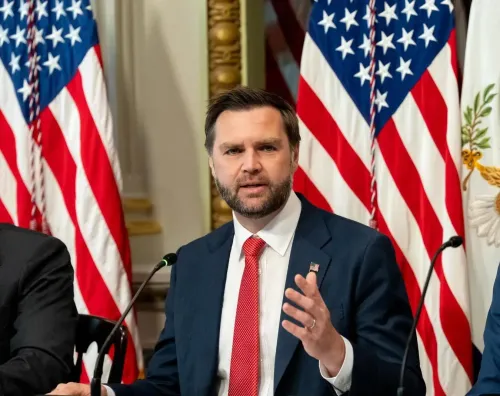
US Vice President JD Vance on 30 October 2026 declared that the administration was actively pursuing visa fraud cases involving companies that lay off American workers and replace them with foreign labour, delivering the message at a campaign rally in Weatherford, Texas. The remarks placed job protection at the centre of his economic pitch, framing enforcement action as a matter of national sovereignty.
What Vance Said
Speaking to the crowd in Weatherford, Vance described corporate executives and foreign companies as targets of the administration's efforts. He offered a pointed formulation: 'sovereignty is about going after the visa fraud that we've been going after — we're going after the CEOs and the foreign corporations who would dare lay off an American worker and replace them with a foreign indentured servant, because sovereignty means American jobs got to go to American citizens.'
Notably, Vance did not name any specific companies, executives, or nationalities. He did not identify a particular visa category, describe individual investigations, or announce charges during that portion of his speech. His remarks referenced ongoing enforcement posture rather than outlining any new visa rule or changes to eligibility requirements.
Trade, Manufacturing and the $670 Billion Claim
Vance linked the visa fraud argument to a broader case for domestic investment, citing $670 billion in new manufacturing investment across ports, refineries, and factories. He credited Texas with helping lead that expansion and argued that domestic production was essential to preserving jobs and communities. 'We put finally, American workers back at the center of our trade policy — we're fighting for American jobs,' he said.
This comes amid an intensifying political debate in the United States over high-skilled worker visas, particularly the H-1B programme, which has faced repeated scrutiny from labour advocates and some Republican lawmakers who argue it depresses wages and displaces domestic workers. The administration has not yet detailed the specific visa categories or legal frameworks underpinning the enforcement actions Vance referenced.
Housing, Costs and Family Policy
Extending his sovereignty argument beyond employment, Vance addressed housing affordability, prescription drug costs and family finances. He said the administration had acted against home purchases by Wall Street and foreign investors, presenting that approach as a mechanism to improve access for ordinary Americans — though he did not outline the scope or implementation details of those measures in his speech.
Vance also promoted tax relief on tips, overtime pay and income for senior citizens, alongside expanded benefits for families with young children. Drawing on his upbringing in Ohio, he described being raised by a grandmother who sometimes had to choose between buying medicine and food — a personal narrative he used to anchor his policy arguments in working-class experience.
The Political Context: Campaigning for Ken Paxton
Vance was in Weatherford to campaign for Ken Paxton's US Senate bid. His address wove together appeals for Republican votes with arguments spanning employment, border enforcement, energy production and the cost of living. He urged voters to support candidates who would continue the administration's policies, arguing that further tax cuts and industrial expansion depended on the election outcome.
He said Americans should be able to find careers close to home rather than relocate long distances for work, coupling that message with calls for more factories, more housing and increased domestic energy production. The speech's treatment of visa fraud sat within a wider theme of national sovereignty — articulated through the interests of workers, families and communities in farming, manufacturing and military service.
Whether the administration's visa fraud enforcement actions produce concrete charges or prosecutions against named firms remains to be seen, and critics have already noted the absence of specific details in Vance's remarks.
Point of View
No visa categories cited, no charges announced. That absence matters: it gives the administration rhetorical cover on H-1B and worker displacement while preserving room to manoeuvre on tech-sector visas, where internal Republican opinion is divided. The $670 billion manufacturing figure, uncaveated, also invites scrutiny — investment announcements routinely count pledges rather than deployed capital. Vance is doing what populist economic messaging does best: frame enforcement as identity politics while keeping policy detail deliberately vague.
NationPress
30 Oct 2026
Frequently Asked Questions
What did JD Vance say about visa fraud at his Texas rally?
Vance said the administration is targeting CEOs and foreign corporations that lay off American workers and replace them with foreign labour through visa fraud. He framed the enforcement action as a matter of national sovereignty, though he named no specific companies, executives, nationalities, or visa categories.
Which companies or visa categories did Vance target?
Vance did not identify any specific companies, executives, or visa types during his speech in Weatherford, Texas. He described corporate executives and foreign firms as targets in general terms without announcing charges or naming investigations.
What is the $670 billion manufacturing figure Vance cited?
Vance claimed the administration had brought $670 billion in new manufacturing investment into the United States, referencing ports, refineries, and factories. He credited Texas with helping lead that expansion but did not provide a breakdown or source for the figure.
Why was JD Vance in Weatherford, Texas?
Vance was campaigning in Weatherford to support Ken Paxton's US Senate bid. His speech combined appeals for Republican votes with arguments on employment, border enforcement, energy production, and cost of living.
Did Vance announce any new visa rules or policy changes?
No. Vance's remarks referenced ongoing enforcement action against alleged visa fraud but did not set out any new visa rule, change to eligibility requirements, or specific legal mechanism. The speech described the administration's posture rather than announcing concrete policy changes.