Venezuela earthquake death toll climbs to 2,954, over 16,500 injured
Synopsis
Venezuela's twin earthquakes of 24 June have now killed 2,954 people and injured over 16,500 — making this one of the deadliest seismic events in the country's recent history. With 942 aftershocks recorded, nearly 30,000 rescuers still deployed, and over 16,000 people homeless, the humanitarian crisis is far from over.
Key Takeaways
The death toll from Venezuela's twin earthquakes has risen to 2,954 , with 16,592 people injured as of 5 July .
Two earthquakes of magnitude 7.5 and 7.2 struck north of Caracas on 24 June , hitting six states.
6,462 people have been rescued; 29,567 rescuers remain deployed, including 3,281 from abroad.
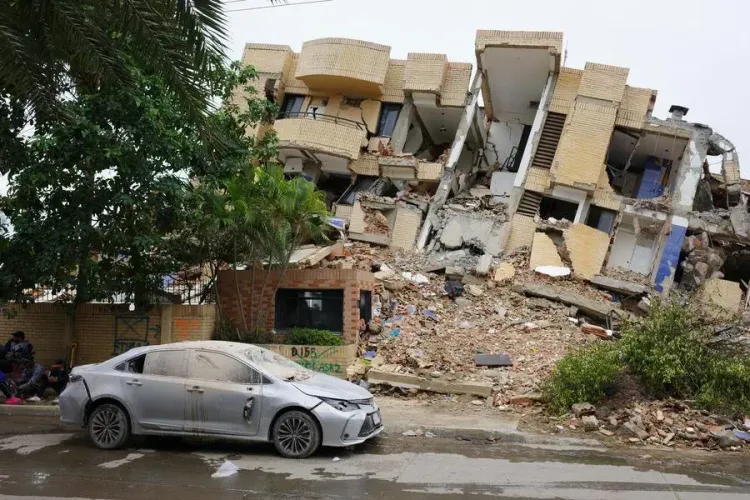
16,209 people are without housing; 856 buildings damaged and 190 structures collapsed.
Acting President Delcy Rodriguez declared seven days of national mourning .
Venezuela has recorded 942 aftershocks since the initial earthquakes.
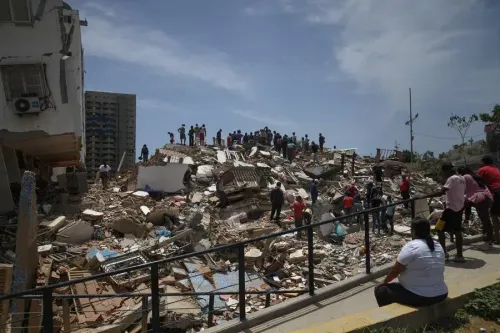
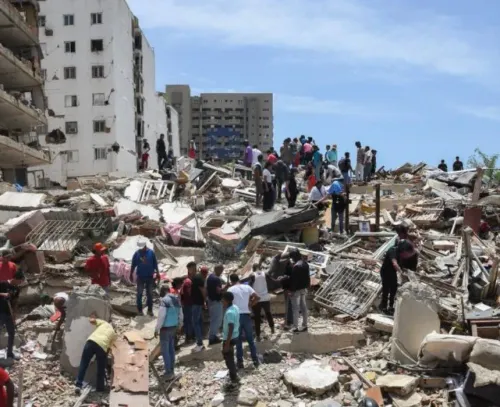
The death toll from the twin earthquakes that struck Venezuela on 24 June has climbed to 2,954, with 16,592 others injured, National Assembly President Jorge Rodriguez confirmed on Saturday, 5 July. The disasters, triggered by magnitude 7.5 and 7.2 earthquakes north of Caracas, have left a trail of destruction across six states and rank among the deadliest seismic events in Venezuela's modern history.
Scale of Destruction
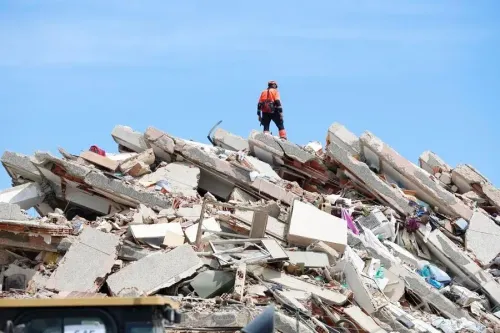
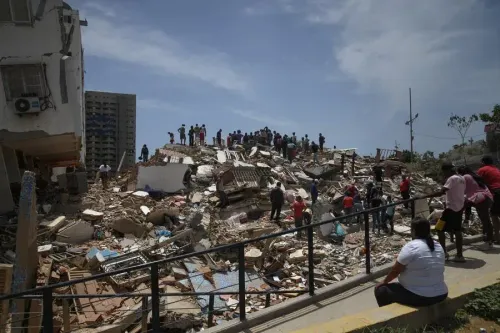
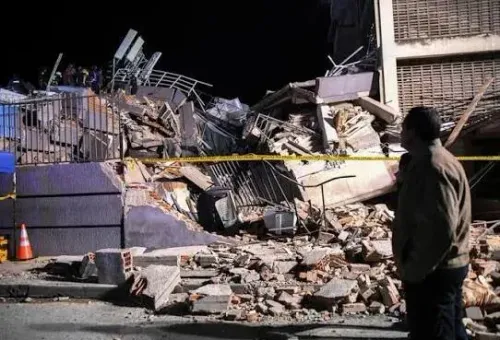
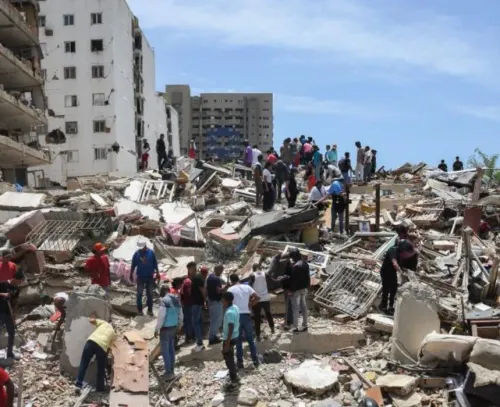
According to the latest official update, 6,462 people have been rescued since the earthquakes struck. A total of 856 buildings have been damaged and 190 structures have collapsed, leaving 16,209 people without housing. Authorities have established 80 temporary camps to shelter displaced and affected residents.
The worst-hit areas span the central states of Aragua, Miranda, and La Guaira, as well as the western states of Carabobo, Yaracuy, and Falcon. Since the initial tremors, Venezuela has recorded 942 aftershocks, compounding the humanitarian crisis on the ground.
Rescue Operations Under Way
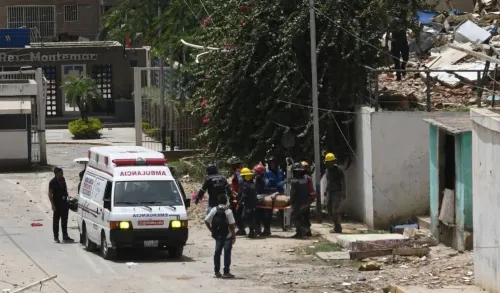
A total of 29,567 rescuers remain deployed across affected zones in the search for survivors, including 3,281 personnel from abroad, reflecting the scale of international solidarity mobilised in the disaster's aftermath. Authorities have not yet confirmed a final count of those still missing, though earlier official statements indicated tens of thousands remained unaccounted for.
National Mourning Declared
Venezuela's acting president Delcy Rodriguez declared seven days of national mourning in tribute to the victims. 'In honour of the memory of the victims, I have decided to decree National Mourning for seven (7) days, starting at 6:00 p.m. today,' Rodriguez wrote in a statement posted on social media.
'Venezuela's soul is torn by the human losses caused by the devastating earthquakes,' she added, pledging that the government would 'accompany and protect' those suffering from the tragedy.
What Comes Next
With rescue operations still active and the aftershock count continuing to rise, authorities face a mounting challenge in transitioning from emergency response to longer-term rehabilitation. The 16,209 people currently without housing will require sustained relief infrastructure well beyond the initial camp network. International assistance — already reflected in the foreign rescue contingent — is expected to play a critical role in the weeks ahead.
Point of View
000 in under two weeks places this among the most catastrophic earthquakes in Latin American history since the 2010 Haiti disaster. What is notable — and underreported — is the scale of the missing: with tens of thousands still unaccounted for, the final toll could rise substantially. Venezuela's pre-existing humanitarian and infrastructure crisis, compounded by years of economic contraction, severely limits the state's absorptive capacity for a disaster of this magnitude. The deployment of over 3,000 foreign rescuers is a telling signal that domestic capacity alone is insufficient. The real test will come not in the rescue phase but in the months of reconstruction ahead, where institutional weakness has historically translated into prolonged displacement.
NationPress
5 Jul 2026
Frequently Asked Questions
How many people have died in the Venezuela earthquakes?
The confirmed death toll from the twin earthquakes that struck Venezuela on 24 June has risen to 2,954, according to National Assembly President Jorge Rodriguez as of 5 July. An additional 16,592 people have been injured.
What was the magnitude of the Venezuela earthquakes?
Two earthquakes measuring magnitude 7.5 and 7.2 struck north of Caracas on 24 June. The tremors affected six states across central and western Venezuela and have since been followed by 942 aftershocks.
Which areas of Venezuela were worst affected?
The earthquakes caused widespread damage across the central states of Aragua, Miranda, and La Guaira, as well as the western states of Carabobo, Yaracuy, and Falcon. A total of 856 buildings were damaged and 190 structures collapsed.
How many rescuers are involved in the relief operations?
A total of 29,567 rescuers are currently deployed across affected areas, including 3,281 personnel from foreign countries. Authorities have also set up 80 temporary camps for displaced residents.
Has Venezuela declared national mourning after the earthquakes?
Yes. Acting President Delcy Rodriguez declared seven days of national mourning in tribute to the victims, effective from 6:00 p.m. on the day of the announcement. She described the disaster as having 'torn Venezuela's soul.'