Venezuela quake death toll climbs to 6,125 after June 24 twin earthquakes
Synopsis
Venezuela's twin earthquakes of 24 June have now killed 6,125 people — making this one of the deadliest seismic events in South America in recent memory. With nearly 44,000 buildings assessed, over 18,000 people still in shelters, and 28 nations sending aid, the scale of the disaster and the recovery challenge is only becoming clearer weeks later.
Key Takeaways
The death toll from Venezuela's twin earthquakes of 24 June has risen to 6,125 , according to National Assembly President Jorge Rodriguez .
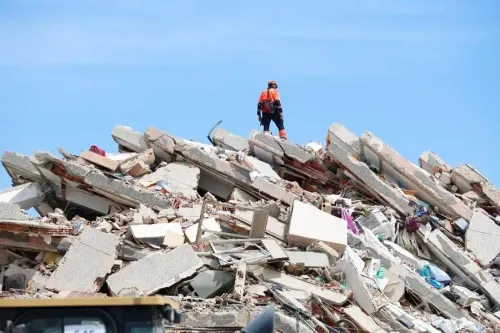
6,462 people have been rescued and 60,992 have received hospital treatment.
Authorities have evaluated 43,679 buildings using a traffic-light system; red-tagged structures face possible demolition.
The quakes — magnitude 7.2 and 7.5 — struck the states of Yaracuy and La Guaira , with La Guaira sheltering 10,981 displaced people.
28 countries have sent humanitarian aid; over 2,000 tonnes of supplies are being sorted in Caracas for distribution.
Acting President Delcy Rodriguez has pledged transparency on how international aid is being used.
The death toll from the twin earthquakes that struck Venezuela on 24 June has climbed to 6,125, according to an official update released by National Assembly President Jorge Rodriguez on Monday, 4 August. The figure marks a grim milestone in what is already one of the deadliest seismic events in South American history in recent decades.
Key Developments in the Aftermath
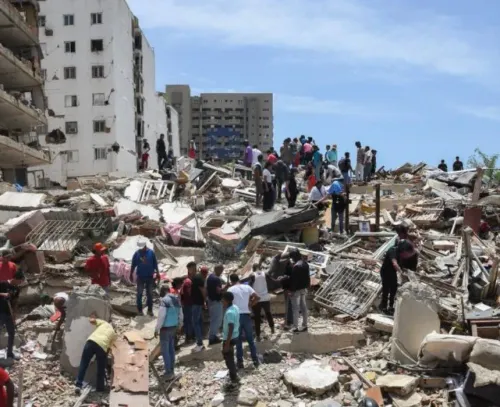
According to the official update, posted on Rodriguez's Telegram channel, 6,462 people have been rescued since the disaster, while 60,992 individuals have received hospital treatment. Authorities have so far delivered 287 homes to affected families and evaluated 43,679 buildings across the country for structural safety.
Building Safety Assessment System
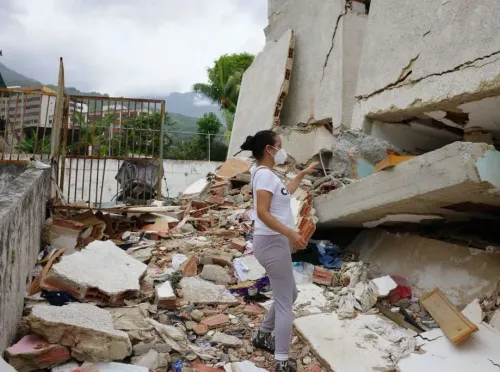
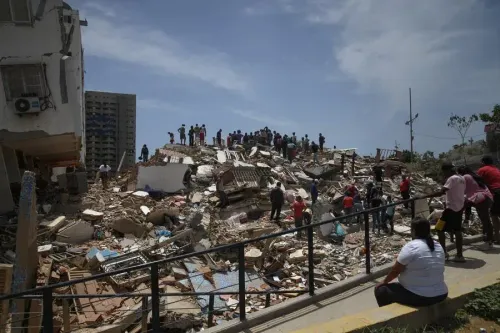
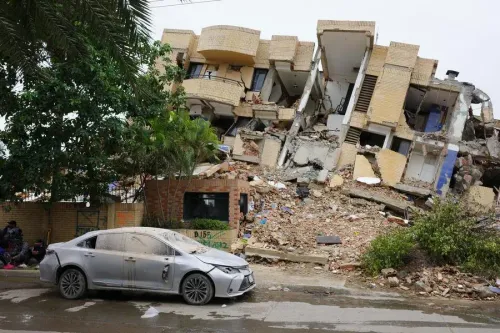
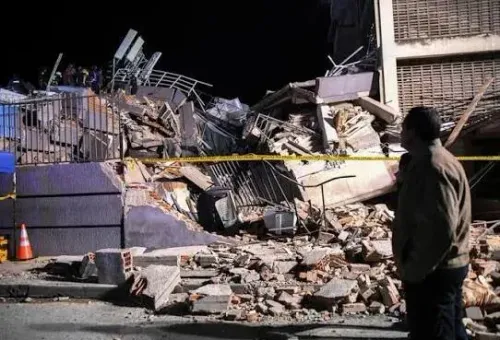
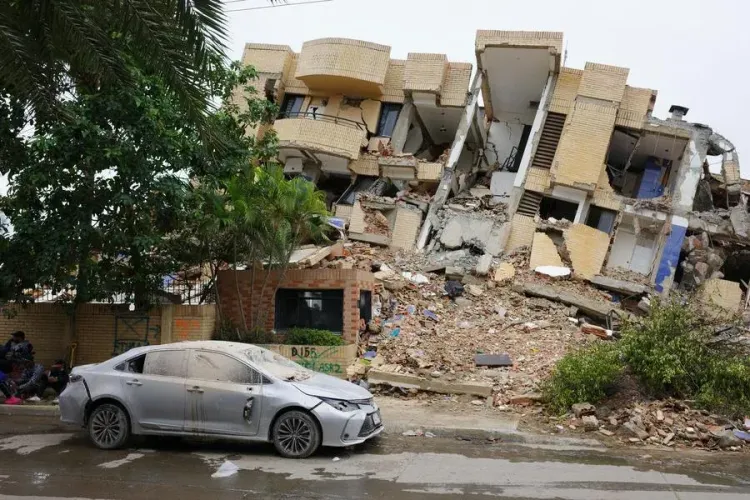
The Venezuelan government has deployed a traffic-light tagging system to determine the habitability of structures. Green tags indicate buildings that are safe for occupation, yellow tags signal restricted access, and red tags identify high-risk structures that may face demolition. The scale of the assessment — nearly 44,000 buildings evaluated — underscores the widespread structural damage caused by the two quakes.
The Earthquakes: Scale and Epicentres
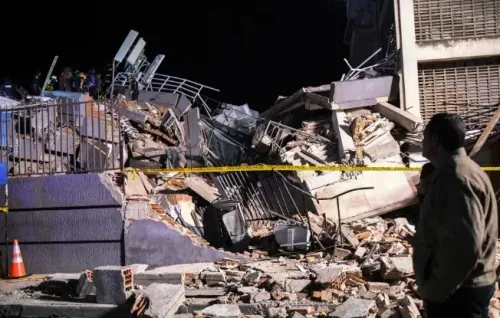
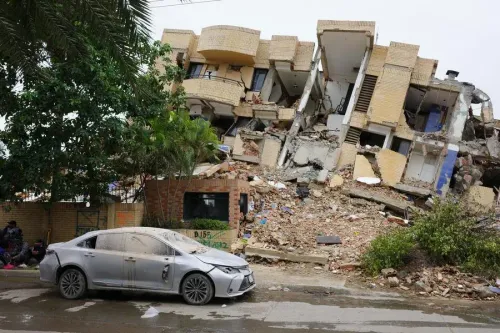
The magnitude 7.2 and magnitude 7.5 earthquakes struck on 24 June, with epicentres in the western state of Yaracuy and the central coastal state of La Guaira, respectively. La Guaira, which bore the brunt of the destruction, currently has 10,981 people in emergency shelters. The capital, Caracas, is sheltering 6,133 displaced residents, while the central state of Miranda has 1,323 people in temporary accommodation, according to Rodriguez.
International Aid and Venezuela's Response
Venezuela's acting President Delcy Rodriguez expressed gratitude for humanitarian assistance provided by 28 countries, after inspecting a collection centre in Caracas where more than 2,000 tonnes of international aid is being sorted for distribution to temporary camps. 'Venezuela never tires of thanking the countries, the peoples of the world, and the governments of the world that have offered a helping hand,' Rodriguez said. She added that each contributing country would be able to track how its aid is being utilised. Rodriguez stressed that the priority now is recovery and reconstruction: 'The most important thing is to look to the future, how we are going to recover, how we are going to rebuild the affected areas.'
What Comes Next
With tens of thousands still displaced and thousands of buildings yet to be fully assessed, the road to recovery remains long. The scale of international engagement — 28 nations contributing aid — offers some relief, but the structural and humanitarian challenges facing Venezuela in the coming months are considerable. Authorities have not yet indicated a timeline for completing building evaluations or for the full resettlement of displaced populations.
Point of View
125 from a single seismic event — if confirmed — would rank among the worst earthquake disasters in South American history in living memory, yet global attention has been limited. The Venezuelan government's decision to release updates via a Telegram channel rather than through formal press briefings raises legitimate questions about data verification and independent access for international observers. With 28 countries sending aid and acting President Delcy Rodriguez promising transparency on its distribution, the accountability architecture will be tested. The real story in the weeks ahead is not the toll itself but whether the building-assessment system translates into safe, permanent resettlement — or whether tens of thousands remain in temporary shelters indefinitely.
NationPress
4 Aug 2026
Frequently Asked Questions
What is the current death toll from the Venezuela earthquakes?
The death toll from Venezuela's twin earthquakes of 24 June has risen to 6,125, according to an official update from National Assembly President Jorge Rodriguez released on 4 August. A total of 6,462 people have been rescued and 60,992 have received hospital treatment.
Where did the Venezuela earthquakes strike on 24 June?
Two earthquakes struck Venezuela on 24 June — a magnitude 7.2 quake with its epicentre in the western state of Yaracuy, and a magnitude 7.5 quake centred in the coastal state of La Guaira. La Guaira suffered the most extensive damage.
How many people are still displaced after the Venezuela quakes?
As of the latest official update, at least 18,437 people remain in emergency shelters — 10,981 in La Guaira, 6,133 in Caracas, and 1,323 in Miranda state. The full number of displaced persons may be higher as assessments continue.
Which countries have sent aid to Venezuela after the earthquakes?
A total of 28 countries have provided humanitarian assistance to Venezuela. Acting President Delcy Rodriguez confirmed that more than 2,000 tonnes of international aid is being sorted at a collection centre in Caracas for distribution to earthquake victims.
How is Venezuela assessing damaged buildings after the earthquakes?
Venezuelan authorities are using a traffic-light tagging system: green tags mark habitable structures, yellow tags indicate restricted access, and red tags identify high-risk buildings that may be demolished. As of the latest update, 43,679 buildings across the country have been evaluated.