Venezuela earthquake death toll climbs to 4,490 after June 24 quakes
Synopsis
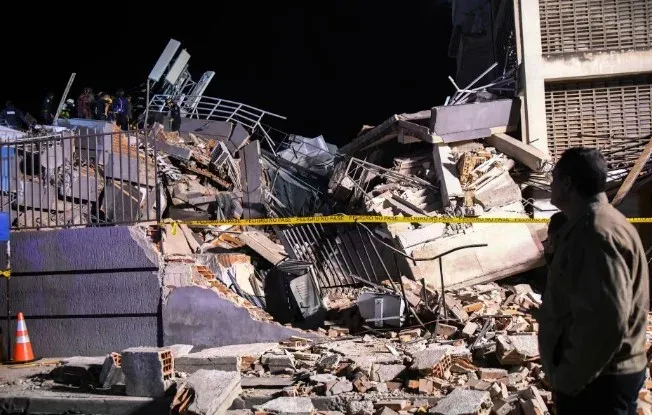
Venezuela's June 24 twin earthquakes have now killed 4,490 people — making it one of the deadliest seismic events in the country's history. With 1,222 aftershocks recorded, over 120,000 people still needing aid, and frozen overseas assets complicating reconstruction funding, the scale of the crisis is only now becoming fully apparent.
Key Takeaways
The death toll from Venezuela's June 24 earthquakes has risen to 4,490 , confirmed National Assembly President Jorge Rodriguez on 13 July .
The number of injured stands at 16,740 ; over 1,20,794 people are currently receiving assistance.
Authorities have set up 108 temporary camps and shelters for displaced families.
31,837 Venezuelan personnel and 2,422 international rescuers remain deployed for disaster response.
Venezuela has recorded 1,222 aftershocks since the twin earthquakes struck.
Acting President Delcy Rodriguez has written to foreign governments seeking release of Venezuelan funds frozen abroad to aid reconstruction.
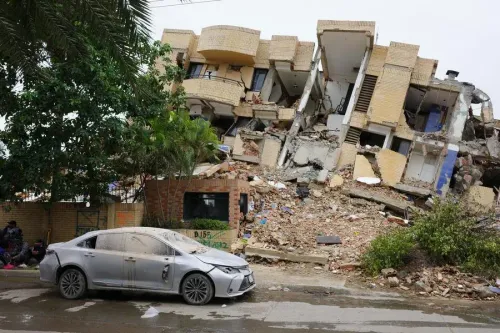
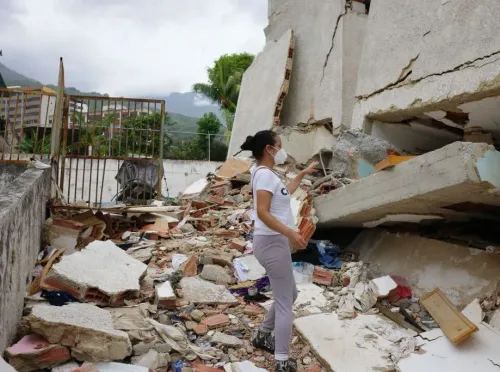
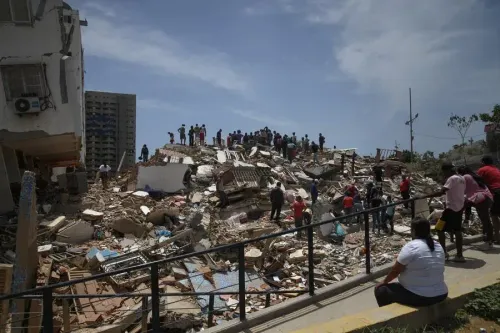
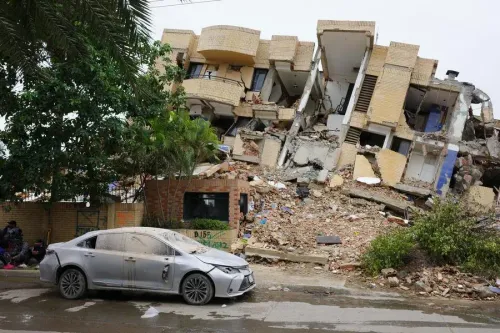
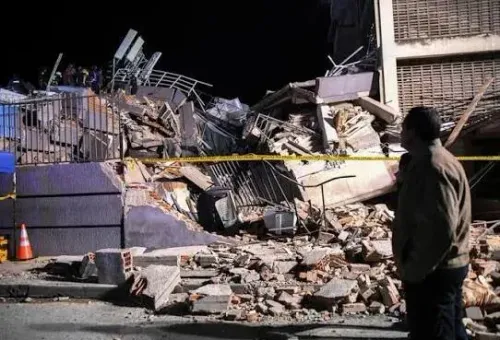
The death toll from the June 24 earthquakes in Venezuela has risen to 4,490, National Assembly President Jorge Rodriguez confirmed in a daily update on Sunday, 13 July. The figure marks a continuing climb as rescue and recovery operations stretch into their third week across the disaster-hit nation.
Latest Casualty and Relief Figures
According to Rodriguez, the number of injured remains at 16,740, while the number of people receiving active assistance has risen to 120,794. Authorities have established 108 temporary camps and shelters for those left without homes by the disaster.
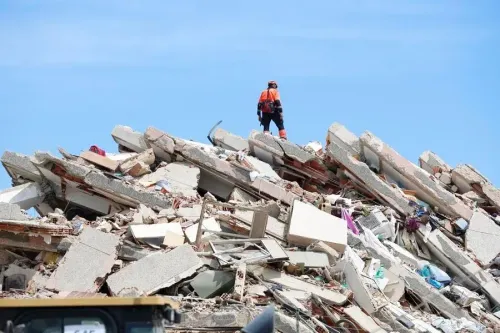
A total of 31,837 Venezuelan personnel are currently deployed for disaster response, bolstered by 2,422 international rescuers on the ground. Venezuela has recorded 1,222 aftershocks since the twin earthquakes struck, according to the official update.
Volunteer Mobilisation and Housing Plans
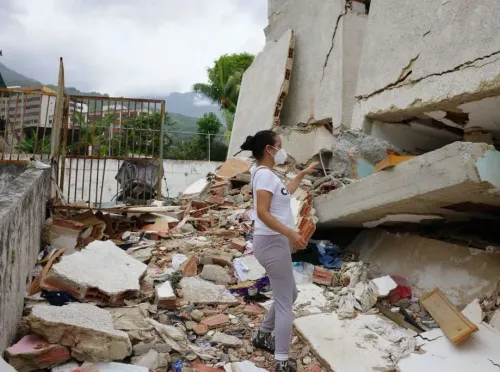
On Saturday, Rodriguez said approximately 30,000 volunteers had signed up to assist victims during the critical phase of the disaster. The government has proposed channelling this volunteer force into home construction and repair efforts.
To address the acute housing crisis, the government has launched a Unified Housing Registry — a dual-purpose database that will function both as a population census among displaced families and as a platform for state-ordered financial assistance to quake victims. Rodriguez stressed the urgency of moving quickly to provide permanent housing for those who lost their homes entirely, while also repairing partially damaged structures.
Transitional single-family camp housing is also planned as an interim measure 'while permanent homes are being built,' according to Rodriguez. He added that the National Assembly intends to reform the rental law and promote a credit and subsidy system to help earthquake-affected families purchase homes.
Frozen Assets and International Appeal
On the financial front, Rodriguez noted that acting President Delcy Rodriguez has written to multiple foreign governments requesting the release of Venezuelan funds frozen abroad under economic sanctions imposed by the United States and other countries. The government has indicated these assets could be critical for financing the reconstruction effort.
Scale and Context of the Disaster
The June 24 twin earthquakes represent one of the deadliest seismic events in Venezuela's recorded history. With a death toll now exceeding 4,490 and over 120,000 people requiring assistance, the scale of the humanitarian challenge is immense — compounded by the country's existing economic difficulties and the constraints imposed by international sanctions. This is among the highest earthquake death tolls recorded anywhere in the world this decade, underlining the severity of the event. The coming weeks will be decisive as the government races to transition from emergency relief to longer-term reconstruction.
Point of View
490 from a single seismic event places Venezuela's June 24 disaster among the most lethal earthquakes of this decade globally — yet the coverage has been muted compared to similar-scale events elsewhere. The real compounding factor here is sanctions: frozen Venezuelan assets abroad are precisely the kind of liquidity needed for rapid reconstruction, and acting President Delcy Rodriguez's letters to foreign governments signal that geopolitics may slow the humanitarian response. With 30,000 volunteers mobilised but no permanent housing yet, the window between emergency relief and long-term recovery is narrowing fast — and Venezuela's existing economic fragility leaves almost no buffer.
NationPress
12 Oct 2026
Frequently Asked Questions
How many people have died in the Venezuela earthquake?
The death toll from the June 24 earthquakes in Venezuela has risen to 4,490, according to National Assembly President Jorge Rodriguez as of 13 July. The number of injured stands at 16,740.
When did the Venezuela earthquakes occur?
The twin earthquakes struck Venezuela on 24 June. As of 13 July, authorities had recorded 1,222 aftershocks since the initial seismic event.
What relief measures has the Venezuelan government announced?
The government has set up 108 temporary camps and shelters, mobilised over 30,000 volunteers, and launched a Unified Housing Registry to identify displaced families and channel financial assistance. Plans for transitional single-family camp housing and permanent home construction are also underway.
How many rescue personnel are deployed in Venezuela?
A total of 31,837 Venezuelan personnel are deployed for disaster response, supported by 2,422 international rescuers, according to official figures released on 13 July.
Why has Venezuela requested the release of frozen funds abroad?
Acting President Delcy Rodriguez has written to several foreign governments requesting the release of Venezuelan assets frozen under US and international sanctions. The government has indicated these funds are needed to finance earthquake reconstruction and housing efforts.