H5N1 in Washington: WHO reports 3 cases, 1 death

Synopsis
One of three dairy farm workers infected with H5N1 in Washington state has died, in what the WHO called the first reported death following exposure to infected dairy cattle or a related contaminated environment. The organisation assesses the risk to the general public as low.
Key Takeaways
The WHO reported three laboratory-confirmed human H5N1 infections in Washington State , including one death.
All three cases were adults working on dairy cattle farms in Yakima County .
The cases were reported between 16 October and 4 November .
The WHO assessed the general population's risk as low and occupational risk as low to moderate.
The WHO said investigations and monitoring of exposed people and close contacts are ongoing.
H5N1 infection has been confirmed in three dairy farm workers in Yakima County, Washington State, including one person who died, the World Health Organization (WHO) said on 25 November. The organisation assessed the risk to the general population as low, while placing the risk for people exposed at work at low to moderate.
The cases were reported between 16 October and 4 November. According to the WHO, the fatality was the first reported death following exposure to infected dairy cattle or a related contaminated environment.
Cases linked to dairy farms
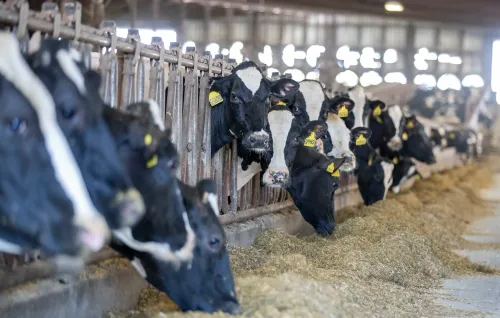
All three people were adults who worked on dairy cattle farms in Yakima County, where the virus had recently been detected in dairy cattle. Their infections were laboratory-confirmed, the WHO said.
Investigations are continuing, along with monitoring of people who were exposed and close contacts. The available report does not provide further details about the individuals or specify how each infection occurred.
WHO risk assessment
The WHO said bird flu viruses circulate mainly in animals and only rarely infect humans. Sporadic human infections can nevertheless occur after exposure to infected animals or contaminated environments.
Its separate assessments distinguish between the general population, for whom the risk is considered low, and people exposed through their work, for whom the risk is low to moderate. The organisation cautioned that the situation could change as more information becomes available.
That distinction is relevant to dairy farm workers and others with animal exposure: the reported cases occurred among people working on farms where cattle had recently tested positive for the virus. The report does not describe infections among the general public.
Symptoms and reporting requirements
H5N1 is a subtype of influenza A that primarily infects wild and domestic birds but can occasionally spread to mammals, including humans. According to the WHO, human illness can range from mild conjunctivitis or upper respiratory tract symptoms to severe, life-threatening conditions.
Under the International Health Regulations, a human infection caused by a new influenza A subtype is considered a potentially significant public health event and must be reported to the WHO. The requirement applies to the infection itself and does not mean that every case presents the same level of risk to the wider public.
Monitoring continues
The WHO said it continues to monitor these viruses and the global epidemiological situation. The US Centers for Disease Control and Prevention is also watching the situation and working with states to monitor people exposed to animals.
Further information from the investigations and monitoring of exposed people could inform future assessments of the risk.
Frequently Asked Questions
What did WHO report about H5N1 in Washington?
The WHO reported three laboratory-confirmed human H5N1 infections among dairy farm workers in Yakima County, including one death. The cases were reported between 16 October and 4 November.
How high is the risk of H5N1 to the general public?
The WHO currently assesses the risk to the general population as low. It assesses the risk for people exposed to the virus at work as low to moderate.
Who were the people affected by the Washington H5N1 cases?
All three infected people were adults who worked on dairy cattle farms in Yakima County. The virus had recently been detected in dairy cattle there.
What symptoms can H5N1 cause in humans?
According to the WHO, H5N1 illness in humans can range from mild conjunctivitis or upper respiratory symptoms to severe, life-threatening conditions.
What happens next in the Washington H5N1 investigation?
Investigations and monitoring of exposed people and close contacts are ongoing. The WHO says its assessment could change as more information becomes available.