White House: Army Iowa mitigation far exceeds expectations

Synopsis
The White House said reports from Iowa show US Army mitigation efforts have far exceeded expectations, a brief 26 November 2026 verdict on federal flood work in the Mississippi basin.
Key Takeaways
The White House on 26 November 2026 said reports from Iowa show the US Army’s mitigation efforts have far exceeded expectations.
The post named no specific project, storm, or funding figure.
The US Army, mainly via the Army Corps of Engineers, handles domestic flood control and levee work in Iowa.
After 2019 Midwest flooding, the Corps received supplemental funding for mitigation in Iowa and neighbouring states.
After-action reports, congressional testimony, and the next appropriations cycle are the documents that would test the claim.
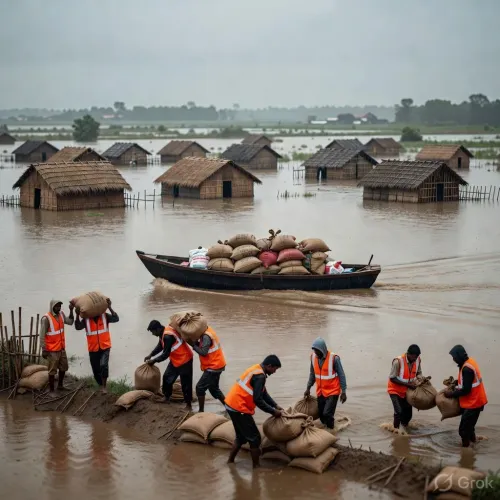
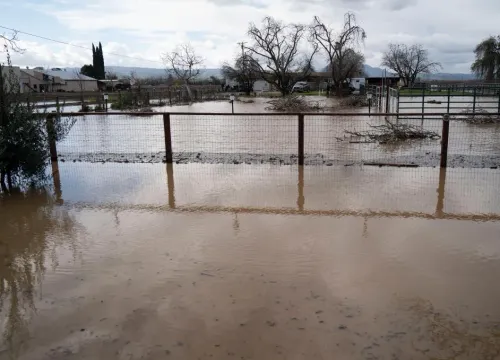
The White House on Thursday put Iowa’s flood country at the centre of the day’s official messaging, saying the US Army’s mitigation work there has far exceeded expectations. The claim, posted on 26 November 2026, named no storm, no project list and no dollar figure — only a hard performance verdict from Washington on a state whose farms and towns live with the rivers.
Washington’s one-line grade on Iowa’s rivers
The post stated, in full: ‘Reports from Iowa are that the Army’s mitigation efforts have far exceeded expectations.’ That is the entire public record the Executive Office of the President chose to release. No after-action report was attached. For residents and the agricultural sector along Iowa’s bottomlands, mitigation is still a concrete thing: levees, channel work, and federal engineering after high water.
The US Army, principally through the Army Corps of Engineers, has long run that domestic civil-works mission beside its combat role. Water-resource management in the Mississippi basin is a standing federal job, not a one-off photo opportunity.
How 2019 flooding locked the Corps into Iowa
After widespread Midwest flooding in 2019, the Corps received supplemental funding for mitigation and recovery projects in Iowa and neighbouring states. Positive assessments of those outcomes are periodically issued by the executive branch to mark federal project performance. The White House did not identify which works it was grading in 2026, and no specific new Iowa event can be independently confirmed from the post itself.
What is established is the pattern. Washington measures the Army’s civil works in Iowa by whether towns stay intact and farmland stays productive when the rivers rise. A one-line ‘far exceeded’ verdict is meant to travel farther than a technical briefing ever would.
The next test is paper, not a social post
After-action reports or congressional testimony on the Iowa projects would be the first hard check on the White House’s praise. Follow-on funding requests in the next appropriations cycle would show whether that verdict is meant to lock in more money or to close a chapter. Iowa’s rivers will not wait on talking points. If the Army has truly outrun its own brief, the proof arrives in the next high-water season.
Point of View
Not only a fighting force. After the 2019 Midwest floods, supplemental Corps funding made Iowa a standing test of whether federal civil works can stay ahead of the rivers. A one-line ‘far exceeded expectations’ claim is also a political asset: it frames executive performance without releasing the after-action numbers Congress will eventually demand. Watch the next appropriations cycle — praise of this kind often precedes a funding ask.
NationPress
26 Nov 2026
Frequently Asked Questions
What did the White House say about the US Army in Iowa?
It said reports from Iowa show the Army’s mitigation efforts have far exceeded expectations. The 26 November 2026 post gave no project names, storm details, or spending figures.
Why does the US Army work on floods in Iowa?
The US Army, mainly through the Army Corps of Engineers, runs domestic civil works including flood control and levee construction. Iowa’s river systems sit in the Mississippi basin and have repeatedly required federal engineering.
What happened after the 2019 Midwest floods?
The Army Corps of Engineers received supplemental funding for mitigation and recovery projects in Iowa and neighbouring states. That lineage is the established policy backdrop for later executive praise of Army work in the state.
Did the White House name a specific 2026 Iowa disaster?
No. The post referred only to reports from Iowa and to Army mitigation efforts. It did not identify a storm, a town, or a particular project.
What should be watched after this White House claim?
After-action reports or congressional testimony on the Iowa projects, and any follow-on funding requests in the next appropriations cycle. Those documents would test whether the ‘far exceeded’ verdict holds.