White House Backs Federal Push to Make D.C. Safe and Beautiful
Synopsis
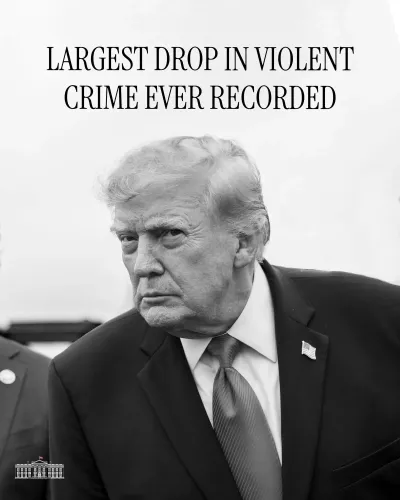
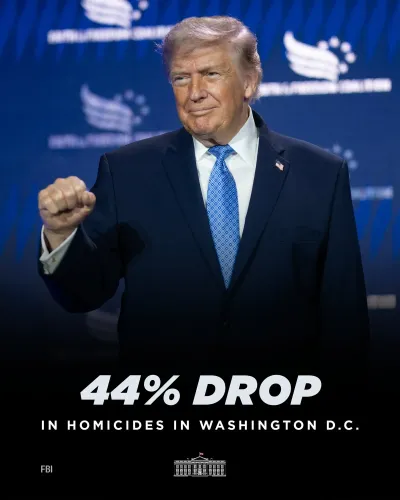
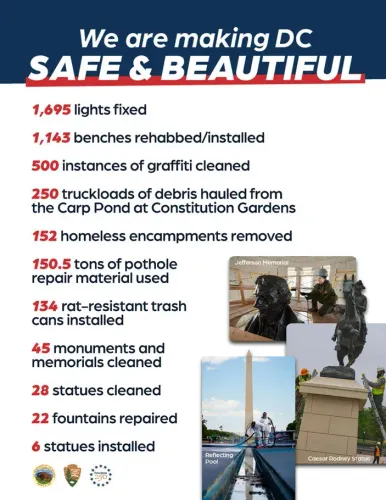
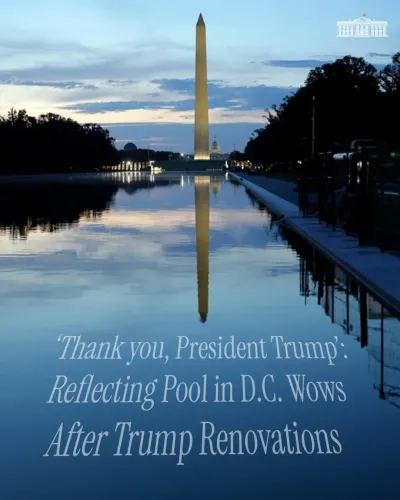
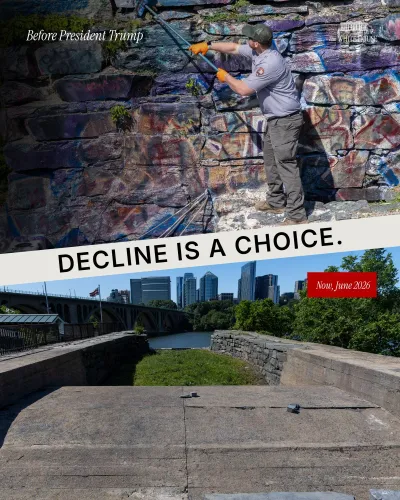
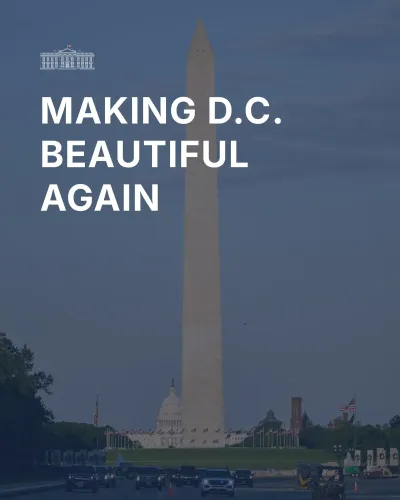
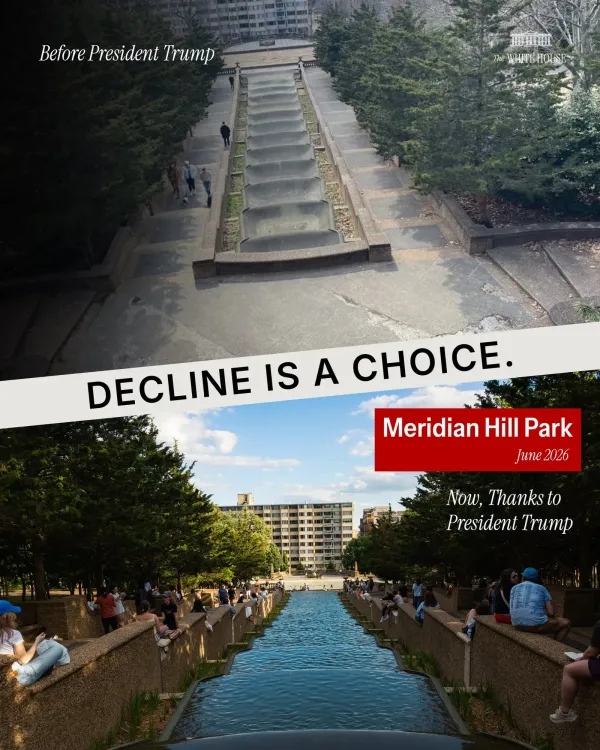
The White House on June 8, 2026 posted a pointed message on X backing a federal drive to make Washington D.C. safe and beautiful, thanking the President and framing urban decline as a matter of political choice rather than inevitability.
Key Takeaways
The White House posted on June 8, 2026 backing a federal initiative to improve safety and conditions in Washington D.C.
The post explicitly thanked @POTUS , signalling direct presidential involvement in the push.
The message frames urban decline as 'a choice,' positioning the administration as actively reversing deterioration in the capital.
Washington D.C. operates under the District of Columbia Home Rule Act of 1973 , giving Congress significant oversight over local governance and budgets.
Public safety and urban upkeep in D.C. have been recurring federal concerns across multiple administrations due to the city's symbolic and constitutional status.
Congressional action on D.C. appropriations and federal-local policing or infrastructure coordination will be the key policy developments to watch.
The White House, the official communications account of the Executive Office of the President of the United States, on Monday, June 8, 2026, posted a message on X backing a federal initiative to improve public safety and the physical condition of Washington D.C., thanking the President directly for the effort.
The post read: 'Decline is a choice. Making D.C. safe and beautiful again is too. THANK YOU, @POTUS!' The message, brief but pointed, frames the state of the capital as a matter of deliberate political will — and signals the executive branch's continued public emphasis on visible improvements in the seat of government.
Context
Washington D.C. occupies a singular position in American governance: it is simultaneously the nation's capital and a city with its own elected local government, yet it remains subject to direct congressional oversight in a way no U.S. state is. The District of Columbia Home Rule Act of 1973 established the current framework of limited local self-governance, but Congress retains authority to review and override D.C. legislation and controls much of its budget through federal appropriations.
This structural tension has long made the capital a flashpoint for debates about local autonomy versus federal authority, particularly on issues of public safety and urban infrastructure.
Policy Backdrop
U.S. presidents across administrations have periodically directed federal rhetoric and resources toward conditions in Washington D.C., both because of its symbolic role as the face of American governance and because the federal government holds direct constitutional and legislative levers over the city. Public safety, cleanliness, and infrastructure in D.C. have recurred as federal concerns, often deployed to make broader arguments about governance philosophy.
The White House's framing — 'decline is a choice' — positions the current administration as actively reversing what it characterises as a deterioration of the capital, placing responsibility squarely on executive decision-making rather than structural or socioeconomic factors.
Stakeholders and Impact
The most immediate stakeholders are D.C. residents and the large federal workforce that operates out of the capital. Any federal initiative on public safety or urban beautification in the district would intersect with the D.C. Metropolitan Police Department, federal law enforcement agencies, and the city's elected mayor and council — bodies that have at times clashed with federal priorities.
For Indian observers, the dynamic carries a familiar resonance: the tension between a powerful central government and a capital-city administration with its own elected mandate mirrors debates seen in New Delhi, where the relationship between the Union government and the Delhi government has been a persistent constitutional and political question.
What's Next
Congressional consideration of D.C. appropriations and any new federal-local coordination frameworks on policing or infrastructure will be the immediate areas to watch. The White House's public framing suggests the administration intends to keep the condition of the capital as a visible marker of its governance record — meaning further announcements or executive actions tied to D.C.'s safety and aesthetics are likely in the months ahead. Whether the initiative translates into concrete legislative or budgetary action will determine its lasting impact beyond political messaging.
Point of View
The administration ties its governance brand to something tangible and photogenic. The federal-versus-local tension in D.C. governance means any serious initiative will require navigating the city's elected leadership, making implementation harder than the rhetoric suggests. For global audiences, the episode underscores a recurring pattern: leaders using the physical state of their capital city as a proxy argument for broader claims about national renewal.
NationPress
26 Oct 2026
Frequently Asked Questions
Why does the US federal government have authority over Washington D.C.?
Washington D.C. is not a U.S. state, so Congress holds direct constitutional and legislative authority over it, including the power to review local laws and control appropriations, even though the city has had its own elected mayor and council since the District of Columbia Home Rule Act of 1973.
What did the White House post about Washington D.C. on June 8 2026?
The White House posted on X saying 'Decline is a choice. Making D.C. safe and beautiful again is too,' and thanked the President, signalling an executive push to improve public safety and conditions in the capital.
What is the District of Columbia Home Rule Act?
The District of Columbia Home Rule Act of 1973 established a framework of limited local self-government for Washington D.C., allowing residents to elect their own mayor and council, but Congress retained the authority to override local legislation and control the city's budget.
How does Washington D.C. governance compare to New Delhi's situation in India?
Both capitals experience tension between a powerful central authority and a locally elected government — in D.C. this is Congress versus the city council, while in New Delhi it is the Union government versus the elected Delhi government, a parallel that has produced similar constitutional and political disputes.
What will happen next with the federal push to improve Washington D.C.?
The key developments to watch are Congressional decisions on D.C. appropriations and any new coordination frameworks between federal agencies and the city's local government on policing and infrastructure spending.