White House Touts D.C. Cleanup Drive for Safer Capital
Synopsis
The White House on June 15, 2026, flagged an active cleanup effort in Washington D.C., calling it a step toward making the capital 'safe and beautiful again.' The post renews attention on federal oversight of the district, where Congress holds ultimate authority over governance and public safety.
Key Takeaways
The White House posted on June 15, 2026 , highlighting a cleanup drive in Washington D.C.
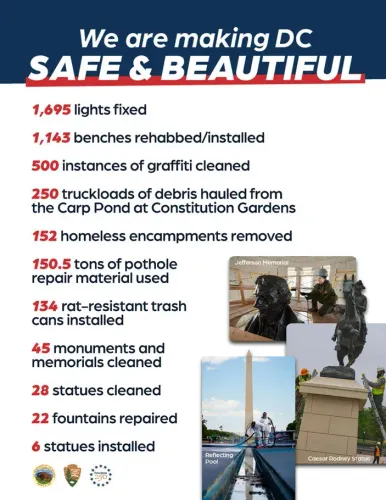
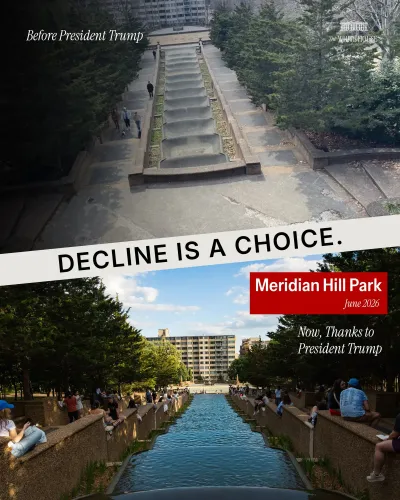
The post used the phrase 'Making D.C. safe and beautiful again one cleanup at a time,' signalling an executive priority around the capital's appearance and order.
Washington D.C. operates under congressional authority, giving the federal executive significant leverage over local governance and public safety.
The 1997 National Capital Revitalization Act set a precedent for federal intervention in the district's administration and finances.
Possible follow-on actions include federal funding announcements or formal coordination with the D.C. mayor's office on safety and cleanliness metrics.
D.C. residents and local businesses are the most direct stakeholders in any sustained urban improvement effort.
The White House on Monday, June 15, 2026, posted on X to highlight an ongoing effort to improve cleanliness and safety in Washington D.C., framing the initiative as part of a broader push to restore the U.S. capital's appearance and order.
Context
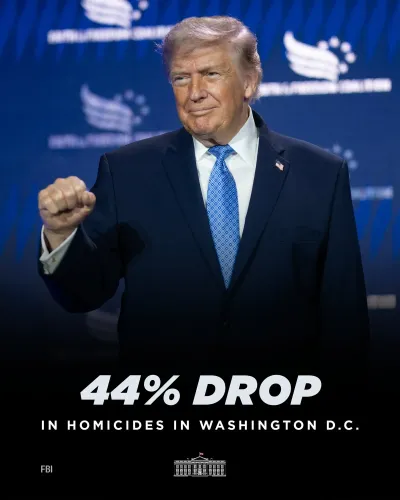
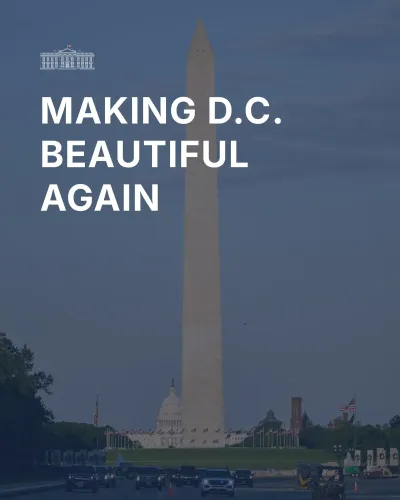
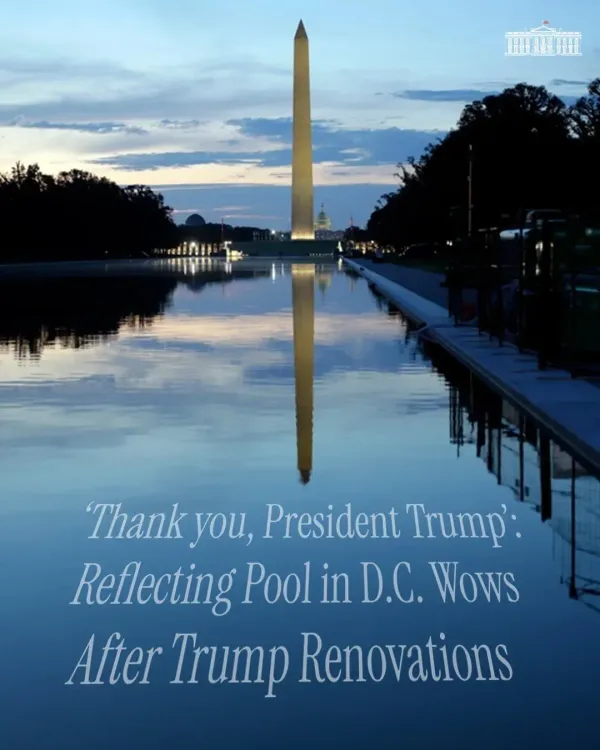
The post, captioned 'Making D.C. safe and beautiful again one cleanup at a time,' was accompanied by an image and signals the federal executive's active interest in the physical condition of the national capital. Washington D.C. operates under a unique constitutional arrangement: while it has an elected mayor and city council, the U.S. Congress retains ultimate authority over the district's governance, budget, and law enforcement framework.
This dynamic has historically created friction between local administration and federal priorities, particularly on issues of public safety, policing, and urban maintenance.
Policy Backdrop
Federal involvement in Washington D.C.'s governance is not new. The National Capital Revitalization and Self-Government Improvement Act of 1997 was a landmark intervention that restructured the district's finances and expanded federal oversight. Subsequent administrations have periodically launched crime-reduction and beautification drives tied to the capital's symbolic importance as the seat of American democracy.
Posts of this nature from the executive office often coincide with pushes for greater federal coordination on policing and urban maintenance — areas where the White House can exercise considerable influence given Congress's constitutional role over the district.
Stakeholders and Impact
D.C. residents and local businesses stand to be the most immediate beneficiaries of any sustained cleanup and safety effort. Cleaner public spaces and reduced crime rates are consistently cited by business associations in the capital as prerequisites for economic activity, tourism, and neighbourhood investment.
The initiative also carries symbolic weight: the appearance of the capital is often read internationally as a reflection of the health of American governance. A visible federal commitment to maintaining the district sends a signal beyond its immediate practical impact.
What's Next
Observers will watch for follow-on announcements, including possible federal funding allocations or formal coordination agreements with the D.C. mayor's office to sustain cleanup operations and establish measurable safety metrics. Whether this social media post translates into a structured, funded programme or remains a high-visibility gesture will determine its long-term significance for residents and policymakers alike.
The broader pattern suggests that executive attention to D.C.'s physical environment often serves as a precursor to legislative or budgetary action — making the coming weeks a critical window for the district's local government to engage with federal counterparts.
Point of View
Executive social media attention of this kind often precedes budget or coordination moves that reshape the federal-local relationship. For D.C.'s elected government, it is both an opportunity for resources and a reminder of its constrained autonomy. The post fits a recurring pattern where administrations leverage the capital's visibility to project domestic order at a moment of their choosing.
NationPress
16 Sept 2026
Frequently Asked Questions
Why is the White House involved in Washington D.C. cleanup efforts?
The U.S. Congress holds ultimate authority over Washington D.C., giving the federal executive — including the White House — significant say in the district's governance, policing, and public maintenance, unlike in any U.S. state.
What did the White House post about Washington D.C. on June 15, 2026?
The White House posted on X on June 15, 2026, saying 'Making D.C. safe and beautiful again one cleanup at a time,' accompanied by an image, signalling an active federal interest in the capital's cleanliness and safety.
What is the history of federal intervention in Washington D.C. governance?
Federal intervention in D.C. has a long history, most notably through the National Capital Revitalization and Self-Government Improvement Act of 1997, which restructured the district's finances and expanded congressional oversight.
Who benefits from a Washington D.C. cleanup and safety initiative?
D.C. residents and local businesses are the most direct beneficiaries, as improved public safety and cleaner streets support daily life, tourism, and economic activity in the capital.
Could this White House post lead to new funding for Washington D.C.?
Possibly — posts of this nature from the executive office often precede federal funding announcements or formal coordination agreements with the D.C. mayor's office, though no specific allocations have been confirmed yet.