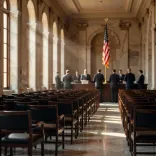
White House Honors U.S. Veterans on Veterans Day 2026
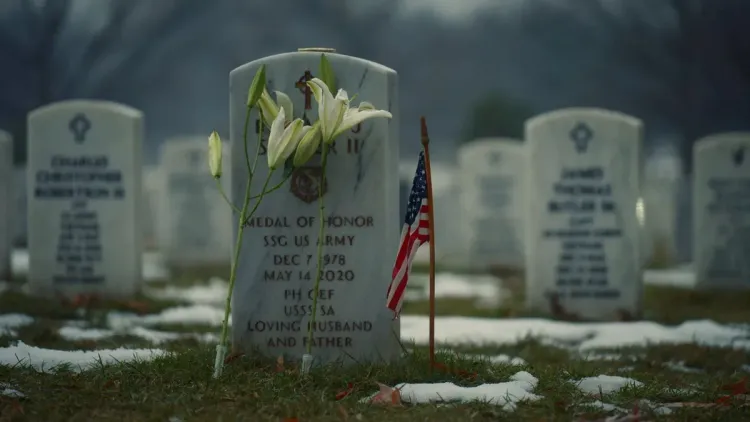
Synopsis
The White House marked Veterans Day on November 11, 2026, with a ceremonial message honouring all Americans who have served in the armed forces, continuing a presidential tradition that dates to 1954 when Congress established the federal holiday.
Key Takeaways
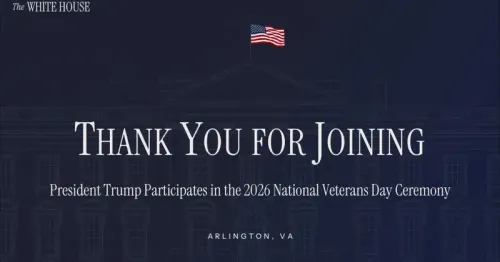
The White House posted an official Veterans Day tribute on November 11, 2026 , honouring U.S. military veterans.
Veterans Day has been a U.S. federal holiday since 1954 , when Congress expanded the original Armistice Day to honour all who have served.
The holiday commemorates the November 11, 1918 armistice that ended World War I .
Unlike Memorial Day , Veterans Day honours all living and deceased veterans, not only those who died in service.
The White House statement was ceremonial in nature and did not announce new veterans' policy, legislation, or funding initiatives.
Approximately 18 million veterans live in the United States, many of whom continue to face challenges in healthcare access and civilian reintegration.
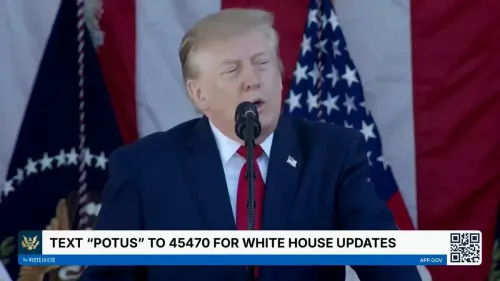
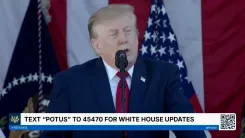
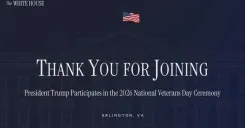
Every year on November 11, the United States pauses to remember the men and women who wore the uniform — and this year, the White House marked the occasion with a solemn message of national gratitude, honoring the 'courage, sacrifice, and unwavering dedication' of all who have defended the country.
A Holiday Rooted in the Guns Falling Silent
Veterans Day traces its origins to November 11, 1918 — the moment the armistice ending World War I took effect and the guns of Europe fell silent after four years of industrialised slaughter. The date was first observed as Armistice Day, a tribute to the fallen of the Great War. Congress broadened its scope in 1954, rechristening it Veterans Day and extending its honour to every American who has ever served in the armed forces — not just the fallen, but the living too.
That distinction matters. Memorial Day, observed each May, is reserved for those who died in service. Veterans Day belongs to all who served — the generation that stormed beaches, the ones who patrolled jungles, those who flew missions over desert terrain, and the newest generation cycling through deployments across multiple theatres.
A Ceremonial Tradition, Issued From Every Administration
Presidential proclamations and official statements on Veterans Day have been a fixture of the American civic calendar since Congress established the holiday over seven decades ago. No administration has broken the tradition. The language shifts with each presidency — sometimes solemn, sometimes stirring — but the core acknowledgement of service and sacrifice remains constant.
This year's message from the White House stayed firmly in ceremonial territory, expressing that 'our Nation is forever grateful' without announcing new policy, legislation, or fresh funding for veterans' programmes. That is by design: Veterans Day statements are acts of national remembrance, not legislative vehicles.
What It Means Beyond the Message
For the roughly 18 million veterans living in the United States today, the day carries weight far beyond official proclamations. It is a moment of public recognition for a population that has often found the transition back to civilian life — with its attendant struggles around healthcare, employment, and mental health — to be its own silent battle.
Advocates and lawmakers on both sides of the aisle have consistently flagged veterans' healthcare access and benefits modernisation as areas requiring continued attention — making this ceremonial pause both a tribute and an implicit reminder of the work that remains.
Gratitude expressed in words is the starting point; the measure of a nation's commitment to its veterans is written in the budgets and policies that follow.
Point of View
The annual ceremony underscores how deeply the military-service narrative is woven into American national identity and political culture. The real policy test, as veterans' advocates routinely note, comes not on November 11 but in the budget and legislative calendar that follows.
NationPress
12 Nov 2026
Frequently Asked Questions
What is Veterans Day and why is it celebrated on November 11?
Veterans Day is a U.S. federal holiday observed on November 11 each year to honour all Americans who have served in the armed forces. The date marks the 1918 armistice that ended World War I, which took effect on the 11th hour of the 11th day of the 11th month.
What did the White House say on Veterans Day 2026?
The White House posted a message on November 11, 2026 honouring the 'courage, sacrifice, and unwavering dedication' of U.S. veterans, stating that 'our Nation is forever grateful' and concluding with 'God bless America's veterans.'
What is the difference between Veterans Day and Memorial Day?
Veterans Day , observed on November 11 , honours all Americans who have served in the military — both living and deceased. Memorial Day , observed each May, specifically commemorates those who died while in military service.
When did Veterans Day become a federal holiday in the United States?
Congress officially established Veterans Day as a federal holiday in 1954 , expanding the earlier Armistice Day observance to honour veterans of all U.S. wars, not just World War I.
How many veterans are there in the United States?
Approximately 18 million veterans live in the United States. Many continue to face challenges related to healthcare access, employment, and mental health after leaving active service.