Trump & Vance Deliver Veterans Day Remarks at White House
Synopsis
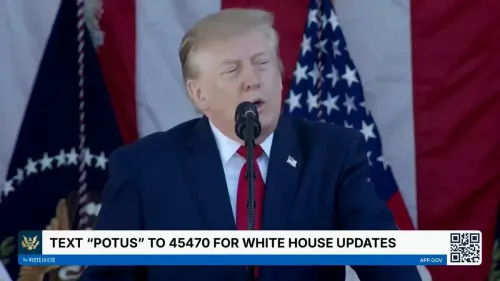
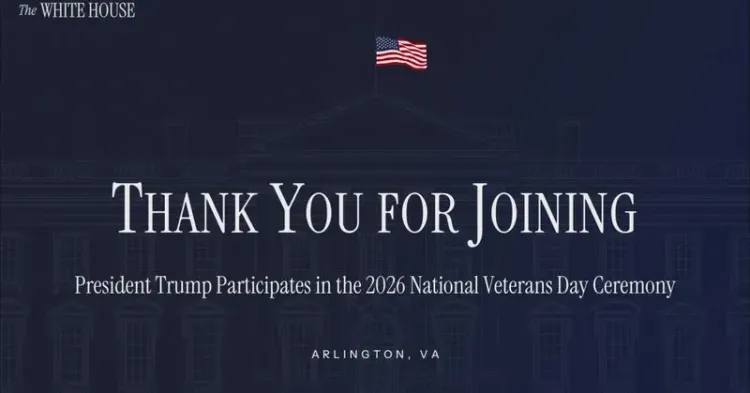
President Donald Trump and Vice President JD Vance delivered live Veterans Day remarks on November 11, 2026, upholding a presidential tradition rooted in the 1919 recognition of Armistice Day and honouring America's estimated 18 million veterans.
Key Takeaways
President Trump and VP Vance jointly delivered Veterans Day remarks on November 11, 2026 .
Veterans Day traces its origins to the 1919 recognition of Armistice Day, redesignated in 1954 to honour all U.S. veterans.
JD Vance is a Marine Corps veteran, lending personal significance to the joint appearance.
The occasion is watched closely by veterans and military families for signals on healthcare, benefits, and policy priorities.
Annual presidential Veterans Day addresses form one of the most consistent traditions of executive engagement with the military community.
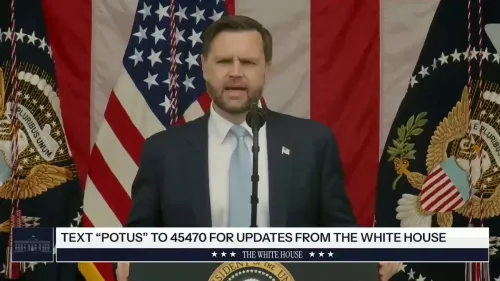
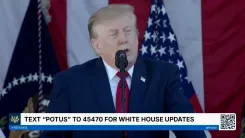
On Veterans Day, November 11, 2026, President Donald Trump and Vice President JD Vance stepped before the nation to deliver live remarks honouring America's military veterans — continuing a solemn presidential tradition that stretches back more than a century.
A Tradition Rooted in the Silence of 1918
The ceremony draws its weight from history. Veterans Day traces its origins to November 11, 1918 — the moment the guns fell silent on the Western Front and World War I ended. The United States formally recognised Armistice Day in 1919, and Congress redesignated it Veterans Day in 1954 to honour all who have served, not only those of a single war. Every president since has used the occasion for public address, making it one of the most consistent rituals of executive engagement with the military community.
Trump and Vance Take the Podium Together
The White House confirmed the joint appearance, with both Trump and Vance delivering remarks simultaneously — a signal of unified executive commitment to the veterans' community. JD Vance, a Marine Corps veteran who served before his career in the Senate, brings personal credibility to any Veterans Day platform. The pairing of a commander-in-chief and a vice president who wore the uniform himself carries symbolic weight beyond the ceremonial.
Who Bears Witness — And Why It Matters
The audience for remarks like these extends well beyond the event venue. Veterans and military families across the country watch closely — not only for tribute, but for signals about policy priorities in the months ahead. Issues such as veterans' healthcare access, benefits reform, and support infrastructure for returning service members have consistently followed high-profile Veterans Day addresses. The moment of commemoration often sets the tone for legislative conversations in subsequent weeks.
The United States is home to roughly 18 million veterans, a constituency that spans every state and every political persuasion. When a president and vice president deliver joint remarks on this day, the message is as much practical as it is ceremonial — a reaffirmation that the executive branch sees its obligation to those who served as ongoing, not seasonal.
Point of View
The pairing is a deliberate projection of credibility. Historically, high-profile Veterans Day addresses have foreshadowed executive action on veterans' healthcare and benefits legislation in the weeks that follow, making this moment one worth tracking for policy signals, not just symbolism.
NationPress
12 Nov 2026
Frequently Asked Questions
What did Trump say on Veterans Day 2026?
The White House confirmed that President Trump and VP Vance delivered live remarks on Veterans Day, November 11, 2026 , though the specific content of those remarks has not been separately detailed in this report.
Is JD Vance a military veteran?
Yes. JD Vance served in the United States Marine Corps before entering public life and politics, which added personal significance to his joint appearance with President Trump on Veterans Day.
When did Veterans Day start in the United States?
The United States recognised Armistice Day in 1919 , marking the end of World War I on November 11, 1918. Congress redesignated it Veterans Day in 1954 to honour all American veterans.
Why do US presidents give Veterans Day speeches?
Annual presidential remarks on Veterans Day are a tradition dating to 1919 , reaffirming the executive branch's commitment to veterans and military families, and often setting the tone for veterans' policy discussions in the weeks that follow.
How many veterans are there in the United States?
The United States is home to approximately 18 million veterans , making them a significant national constituency whose concerns — including healthcare, benefits, and support services — are closely linked to presidential priorities.