CM Nayab Saini Joins Delhi Diwali Press Meet, Backs Free Media
Synopsis
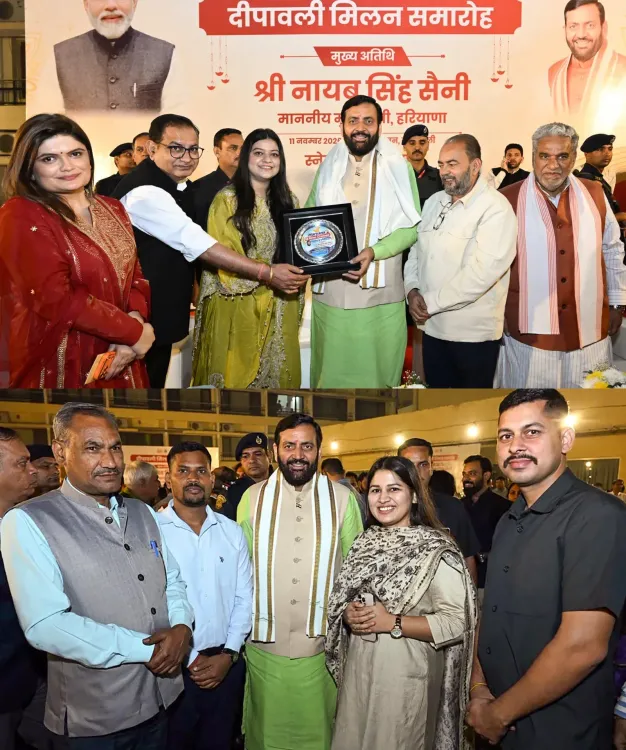
Haryana Chief Minister Nayab Singh Saini attended a Diwali milan event in Delhi with journalists on November 12, 2026, publicly endorsing impartial journalism, fearless questioning, and healthy criticism as pillars of democracy, while extending greetings for Diwali, Chhath Puja, and Bandi Chhor Divas.
Key Takeaways
Nayab Singh Saini attended a Diwali milan event with journalists in Delhi on November 12, 2026 .
He publicly stated that media is 'a vital link between government and the people' in a democracy.
Saini explicitly backed 'impartial journalism, fearless questions, and healthy criticism' as democratic strengths.
The government pledged to 'always respect' journalists' creative suggestions and independent views.
Festival greetings extended for Diwali, Chhath Puja, Govardhan Puja, Bhai Dooj , and Bandi Chhor Divas .
Saini has followed a pattern of press outreach through major festivals since becoming CM in 2024 .
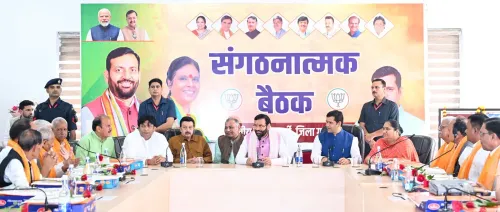
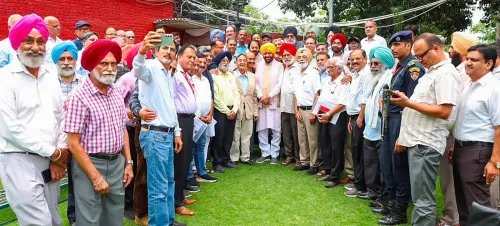
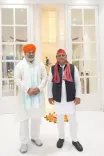
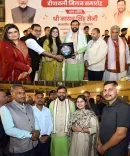
At a Diwali milan gathering in Delhi, Haryana Chief Minister Nayab Singh Saini sat down with journalist colleagues on Thursday, November 12, 2026 — and used the festive occasion to make a pointed argument for press freedom as a democratic pillar.
Posting about the event, Saini wrote: 'लोकतंत्र में मीडिया सरकार और जनता के बीच एक महत्वपूर्ण कड़ी है' — 'In a democracy, the media is a vital link between the government and the people.' He went further, explicitly endorsing 'impartial journalism, fearless questions, and healthy criticism' as forces that strengthen the democratic order. Not diplomatic boilerplate — a sitting chief minister putting it on record.
What Saini Said — and Why the Framing Matters
The statement carried a deliberate three-part structure: impartial journalism, bold questioning, constructive criticism. Each element is, in its own way, a check on executive power. That a serving CM invoked all three in the same breath, before a room of working journalists, is the substance beneath the seasonal goodwill.
Saini added that the government would 'always respect your creative suggestions and independent views' — framing the press relationship as one of 'trust and cooperation' that must remain strong. The choice of a Diwali milan for this message is itself strategic: an informal, warm setting that signals approachability while the words carry formal weight.
Diwali Milan as Political Diplomacy
Indian chief ministers have long used festival gatherings with Delhi-based journalists as an informal diplomatic channel — a space where state leaders can project accessibility to the national press corps. For Haryana, which shares a border and a media market with the capital, maintaining those lines of communication matters more than it might for a more distant state. Saini, who assumed the chief ministership in 2024, has followed this pattern of press outreach through major festivals in the years since.
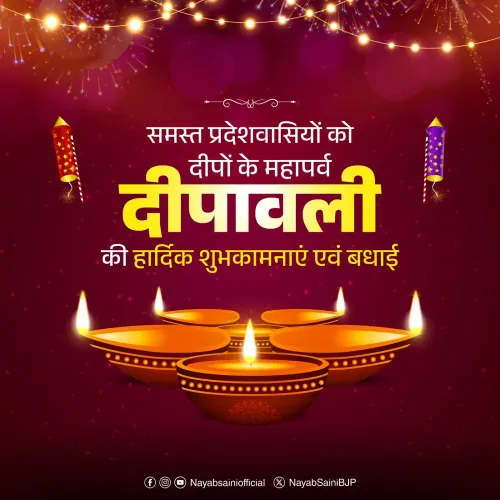
He closed his post with greetings for a cluster of festivals falling in close succession: Diwali, Chhath Puja, Govardhan Puja, Bhai Dooj, and Bandi Chhor Divas — the last being the Sikh festival marking spiritual liberation, observed on the same day as Diwali. The list reflects Haryana's plural religious calendar and signals deliberate cultural breadth.
When a government says it welcomes fearless questions, the real test comes in the newsroom, not the banquet hall. But Saini has at least drawn the line in public — and that is where accountability begins.
Point of View
Warm, photographable — allows the message to land without the confrontational framing of a formal presser. For a CM who took office in 2024 and is still building his national profile, cementing a reputation for openness with Delhi journalists is an investment in longer-term political capital. Whether the stated commitment to 'fearless questions' translates into policy access and transparency will be the benchmark journalists themselves will apply going forward.
NationPress
12 Nov 2026
Frequently Asked Questions
What did Haryana CM Nayab Singh Saini say about media at the Delhi Diwali event?
Saini said the media is 'a vital link between government and the people' in a democracy, and endorsed impartial journalism, fearless questions, and healthy criticism as forces that strengthen democratic governance.
Where was the Diwali milan event attended by CM Nayab Saini held?
The Diwali milan event was held in Delhi , where Saini met with journalist colleagues on November 12, 2026.
What festivals did CM Nayab Singh Saini wish journalists for?
Saini extended greetings for Diwali, Chhath Puja, Govardhan Puja, Bhai Dooj, and Bandi Chhor Divas.
When did Nayab Singh Saini become Chief Minister of Haryana?
Nayab Singh Saini became Chief Minister of Haryana in 2024.
What is Bandi Chhor Divas and why did CM Saini mention it?
Bandi Chhor Divas is a Sikh festival marking spiritual liberation, observed on the same day as Diwali. Saini's inclusion of it reflects Haryana's plural religious calendar and signals cultural inclusiveness.