Why Are Women Being Excluded from Bangladesh's Election Race?
Synopsis
In Bangladesh, women make up half of the population yet are alarmingly absent from the electoral process. With 30 political parties failing to nominate any female candidates, this raises crucial questions about representation and democracy. Discover the factors contributing to this gender disparity and the implications for the political landscape.
Key Takeaways
Women constitute half of Bangladesh's population 30 political parties have not nominated any women Only 4.24% of candidates are female Exclusion is prevalent among major parties Financial and social barriers hinder female participation
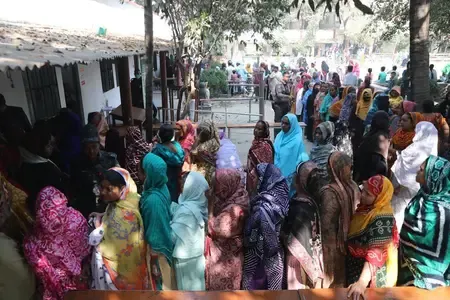
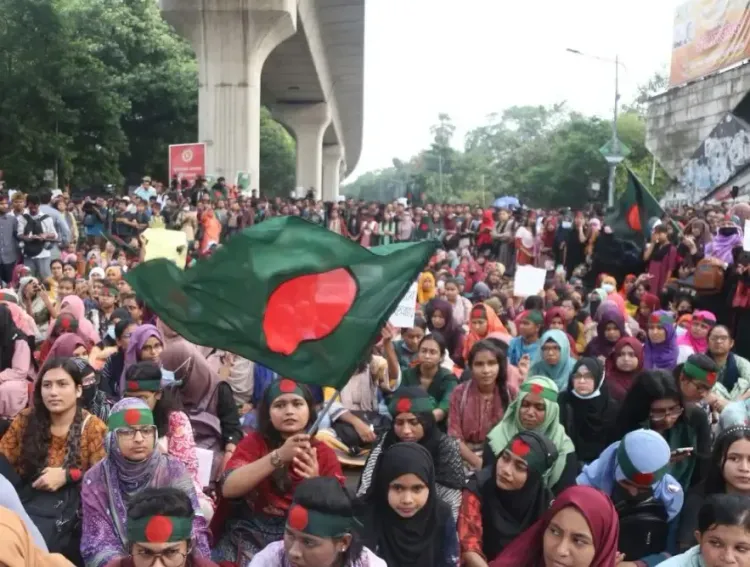
Dhaka, Jan 6 (NationPress) Recent data from Bangladesh's Election Commission has brought to light a disturbing trend: women are significantly underrepresented in the electoral competition. Of the 51 political parties participating in the forthcoming national elections, a staggering 30 parties have not nominated any female candidates, as reported by local media.
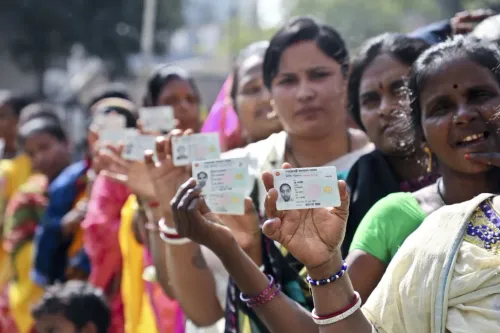
This alarming statistic underscores a significant imbalance—despite women making up 50% of the population, they remain largely absent from the candidate list.
Out of 2,568 individuals vying for election on February 12, only 109 (or 4.24%) are women, with 72 of them being party nominees and the rest running as independents, according to The Daily Star.
The data shows a particularly stark exclusion from the radical Islamist Jamaat-e-Islami, which has fielded 276 candidates without a single woman, closely followed by Islami Andolan Bangladesh with 268 candidates.
Similarly, the Bangladesh Nationalist Party (BNP), which was historically led by a woman, has only nominated 10 women among 328 candidates for 300 seats.
Other parties, such as Bangladesh Khilafat Majlis with 94 candidates, Khilafat Majlis with 68, and Bangladesh Islami Front (BIF) with 27, have completely excluded women from their candidate lists.
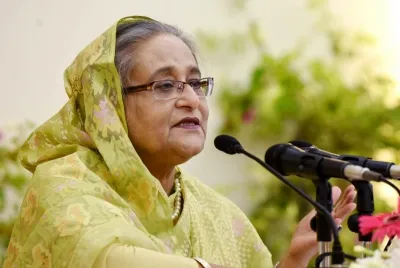
Jesmin Tuli, a former additional secretary of the Election Commission and current member of the Electoral Reform Commission, points out that the electoral landscape in Bangladesh is overwhelmingly male-dominated. She notes, “Elections are not women-friendly.” This reflects a trend where major parties nominate few women, and smaller parties tend to follow suit.
Financial hurdles, societal norms, and lack of support further deter women from participating in the electoral process. Tuli observes that most of the women who do run for office come from political families, with very few emerging from grassroots activism.
Munira Khan, president of the Bangladesh Fair Election Monitoring Alliance, has characterized the situation as “deeply frustrating.” She emphasizes that while women significantly contribute to the economy and are half of the population, their representation in parliamentary nominations is alarmingly low.
“We often speak about democracy, yet the internal democracy within political parties is profoundly disappointing,” she remarked, questioning whether parties genuinely uphold rules for including women in their structures.
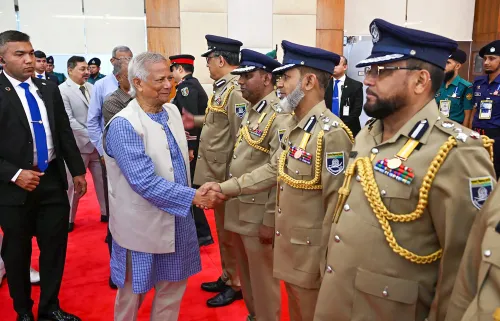
Bangladesh has seen a rise in violence against women and children since the interim government led by Muhammad Yunus took power, raising serious concerns about the exclusion of women from critical decision-making processes.
Point of View
I believe that the exclusion of women from the electoral process not only undermines democracy but also stifles diverse perspectives in governance. It is crucial for political parties to actively engage and empower women, ensuring their rightful place in decision-making roles. The current trend is concerning and calls for immediate reform.
NationPress
20 Sept 2026
Frequently Asked Questions
Why are there so few female candidates in Bangladesh's elections?
The lack of female candidates is attributed to financial barriers, societal norms, and insufficient support from political parties, which often nominate very few women.
What percentage of candidates in Bangladesh's elections are women?
Only 4.24% of the candidates for the upcoming elections are women, reflecting a significant gender disparity.
Which political parties have excluded women from nominations?
Several parties, including Jamaat-e-Islami and Bangladesh Khilafat Majlis, have not fielded any female candidates in the upcoming elections.
What impact does this exclusion have on democracy?
Excluding women from political candidacy undermines democracy and limits diverse representation in governance, which is essential for a balanced political environment.
How can women's representation in politics be improved?
Improving women's representation requires addressing financial constraints, changing societal norms, and actively supporting women within political parties.