Did Yoon Really Send Drones to North Korea to Justify Martial Law?
Synopsis
In a dramatic court hearing, former South Korean President Yoon Suk Yeol refutes drone deployment allegations aimed at justifying martial law. He cites a conversation with Donald Trump to support his claims. With ongoing legal battles ahead, the political landscape may shift significantly. Stay updated as developments unfold.
Key Takeaways
Yoon Suk Yeol denies drone deployment allegations.
Cites a call with Donald Trump as evidence.
Facing serious charges of aiding the enemy.
Potential extension of custody could prolong his detention.
Political implications loom large over the ongoing trials.
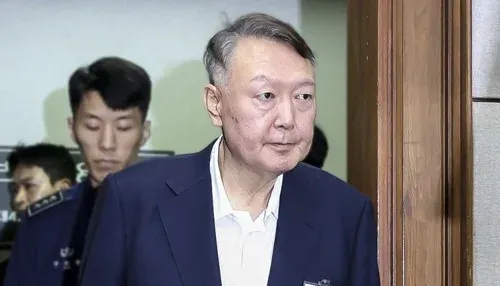
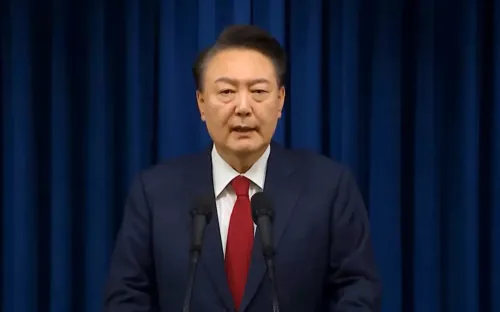
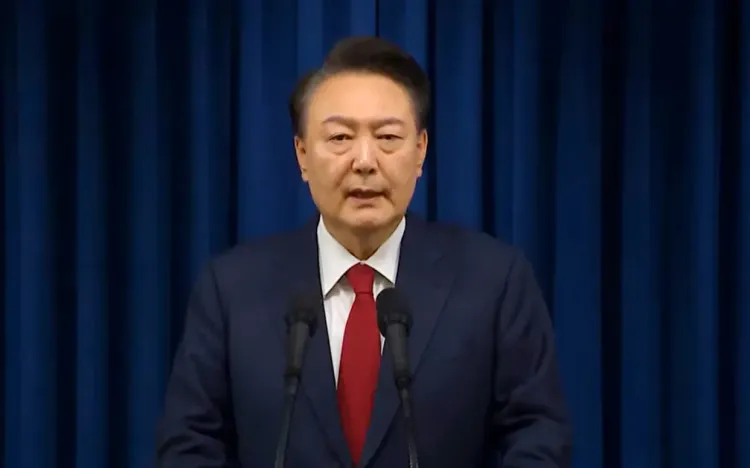
Seoul, Dec 23 (NationPress) Former President of South Korea, Yoon Suk Yeol, firmly rejected accusations on Tuesday regarding his alleged deployment of drones into North Korea, asserting that such actions were intended to fabricate a justification for his unsuccessful attempt to impose martial law. He referenced a phone conversation with then President-elect Donald Trump as evidence for his defense.
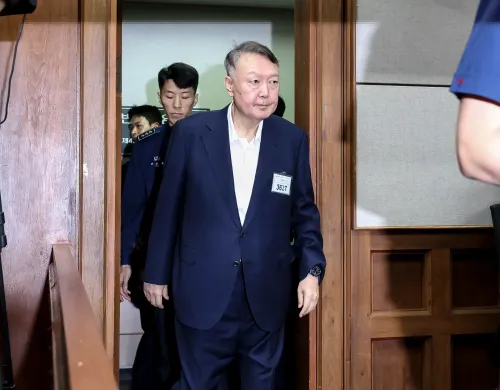
During a confidential court session held to deliberate on the potential extension of his detention, Yoon personally addressed the allegations against him, which include charges of aiding the enemy and abuse of power linked to an alleged drone operation towards Pyongyang in October of the previous year.
The former President has been in custody since July, facing charges of obstructing justice by hindering investigators from detaining him in January. His release is anticipated after his six-month detention concludes on January 18, according to reports from Yonhap news agency.
Special counsel Cho Eun-suk called for an extension of his custody last month, further indicting him in relation to the alleged drone incident, which was purportedly designed to provoke a reaction from the North and serve as a pretext for the martial law declaration on December 3 of the previous year.
During the court session, Yoon contended that the charges of assisting the enemy are unfounded, claiming he did not receive any intelligence concerning any drone operations or attacks, asserting that such events would not transpire without his awareness.
Yoon also mentioned his 10-minute discussion with Trump in November, after Trump's election victory, stating they talked about North Korea's practice of sending garbage-carrying balloons into the South.
He informed Trump that his administration was committed to a policy of 'strategic patience' regarding these balloons and would continue with this approach unless North Korea's provocations led to casualties.
Yoon's legal representatives argued that the drone allegations should be examined in a separate ongoing case concerning the martial law declaration.
The special counsel maintained that Yoon must remain in detention due to the severity of the accusations and the potential for him to destroy evidence or flee.
Cho's team also expressed concern that releasing a former president might significantly influence the trial, given Yoon's political clout, and raised fears he could pressure alleged accomplices.
The court has requested both parties to submit additional written arguments by next Tuesday, with a decision on the arrest extension expected thereafter.
If an extension is authorized, Yoon could face up to six additional months in jail.
A ruling regarding the obstruction of justice charge is anticipated on January 16, while a separate trial is also ongoing concerning accusations that Yoon instigated an insurrection through the martial law declaration.
Point of View
Political maneuvering, and legal accountability. As the nation watches closely, it is paramount to uphold the principles of justice while navigating the political ramifications of such serious allegations against a former leader.
NationPress
22 Sept 2026
Frequently Asked Questions
What are the charges against Yoon Suk Yeol?
Yoon Suk Yeol is facing charges of aiding the enemy and abuse of power related to an alleged drone deployment to North Korea.
Why did Yoon deny the allegations?
Yoon denied the allegations by stating he had no knowledge of any drone operations and referenced a conversation with Donald Trump to support his claims.
What is the significance of the phone call with Trump?
Yoon mentioned the call to illustrate his adherence to a policy of 'strategic patience' regarding North Korean provocations, suggesting he did not support aggressive actions.
What could happen if Yoon's arrest is extended?
If an extension is granted, Yoon could remain in custody for up to six more months while his legal battles continue.
When is the verdict on the obstruction of justice charge expected?
A verdict on the obstruction of justice charge is scheduled for January 16.