Zelensky ready to contest wartime elections if Russia agrees to 60-day ceasefire
Synopsis
Zelensky has put a number on it: a 60-day Russian ceasefire is the price of a wartime Ukrainian election. The offer simultaneously answers Trump's pressure and sets a condition Moscow is unlikely to meet — making it as much a diplomatic signal as a genuine electoral commitment.
Key Takeaways
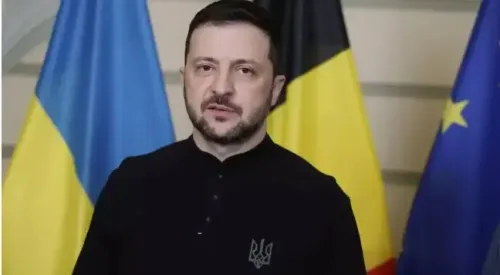
Volodymyr Zelensky said on 19 October 2025 he is willing to contest a presidential election even if the war with Russia continues.
He conditioned any wartime vote on Russia agreeing to a 60-day ceasefire to allow legislative and security preparations.
Under current Ukrainian law , elections require a minimum six-month gap after hostilities end; martial law imposed in 2022 bars polls.
Ukraine last held a presidential election in 2019 .
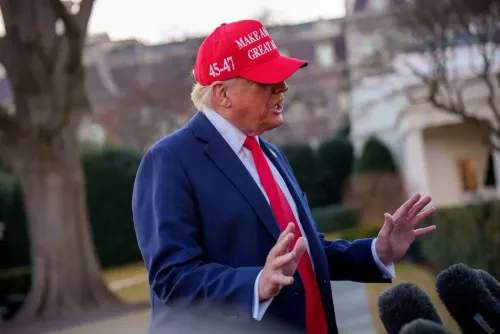
US President Donald Trump had called on Ukraine to hold elections earlier this month.
Zelensky also revealed a three-day suspension of US intelligence sharing left Ukrainian forces without American warnings of Russian ballistic missile strikes.
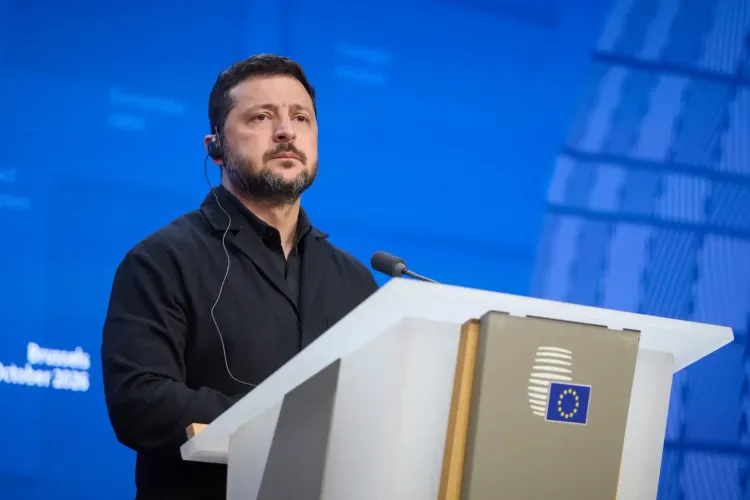
Ukrainian President Volodymyr Zelensky said on Monday, 19 October 2025, that he is prepared to run in a presidential election even if the conflict with Russia is still ongoing, conditional on Moscow agreeing to a 60-day ceasefire that would allow Kyiv to amend election laws and set up the required security infrastructure. The statement marks the first time Zelensky has publicly laid out concrete conditions under which wartime elections could be organised.
What Zelensky Said
'If it takes place during the war, of course, it is my duty, because I must defend my country from the beginning until the end of the war,' Zelensky said, according to reports. He stressed that a 60-day window was the minimum needed to amend election legislation and arrange security logistics for a credible vote.
Under current Ukrainian law, elections can only be held at least six months after the end of hostilities. Martial law, imposed in 2022 following Russia's military intervention, has since barred any electoral exercise on grounds of national security. Ukraine last held a presidential election in 2019.
Trump's Pressure and the Broader Context
The comments follow a call earlier this month by US President Donald Trump urging Ukraine to hold a presidential election. Zelensky's conditional openness to a wartime vote appears calibrated to address that political pressure without conceding ground on security requirements.
This comes amid a broader strain in Ukraine-US relations. Zelensky separately disclosed that Washington had temporarily suspended critical intelligence sharing with Ukraine for three days, during which Ukrainian forces received no American advance warnings of Russian ballistic missile attacks.
Intelligence Gap and Satellite Communications
In an interview with NBC's Meet the Press, Zelensky said restrictions on satellite communications used by Ukrainian forces had not been fully lifted, raising fresh concerns about the depth of Washington's military and intelligence support for Kyiv.
'We didn't see attacks of Russia using ballistic missiles,' Zelensky said, referring to the period of the intelligence blackout. He acknowledged that Ukraine continues to receive support from dozens of European and international partners, but was direct about the gap: 'Only United States has this unique intelligence to say, to tell us, to tell our side when Russia uses ballistic missiles.'
What Comes Next
Any path to a wartime election hinges entirely on whether Russia agrees to a temporary ceasefire — a condition that appears politically remote given the current state of the conflict. The debate, however, is likely to intensify as international pressure on both Kyiv and Moscow to explore de-escalation frameworks grows in the months ahead.
Point of View
It is a battlefield vulnerability. The two stories running in parallel — electoral pressure and intelligence leverage — suggest Washington is deploying multiple tools to shape Ukrainian decision-making simultaneously, a dynamic that deserves far more scrutiny than the election headline alone.
NationPress
19 Oct 2026
Frequently Asked Questions
Is Zelensky willing to hold elections during the war with Russia?
Yes, Zelensky said he is prepared to run in presidential elections even during the ongoing conflict, provided Russia agrees to a 60-day ceasefire. He said the ceasefire window is necessary to amend Ukrainian election legislation and organise security arrangements for a credible vote.
What does Ukrainian law say about holding elections during wartime?
Ukrainian law requires elections to be held at least six months after the end of hostilities. Martial law, imposed in 2022 following Russia's military intervention, has additionally prohibited any elections on security grounds. Ukraine's last presidential election was held in 2019.
Why did Trump call on Ukraine to hold elections?
US President Donald Trump urged Ukraine to hold a presidential election earlier in October 2025, as part of broader American pressure on Kyiv. Zelensky's conditional offer is widely seen as a response calibrated to address that political demand without compromising security requirements.
What happened with US intelligence sharing for Ukraine?
Zelensky revealed that Washington temporarily suspended critical intelligence sharing with Ukraine for three days, during which Ukrainian forces received no American advance warnings of Russian ballistic missile attacks. He said no other partner country could replicate that specific US intelligence capability.
What are the chances of a 60-day ceasefire being agreed?
The prospect appears remote given the current state of the Russia-Ukraine conflict. Moscow has shown no public indication of agreeing to even a temporary halt in hostilities, making Zelensky's stated precondition difficult to fulfil in the near term.