India condemns Saudi airport, Aramco attacks; 1 Indian killed, 3 injured
Synopsis
One Indian national is dead and three others injured after coordinated strikes hit King Fahd International Airport in Dammam and Saudi Aramco's Shaybah oil field on 21 October. India's MEA has issued a rare, pointed condemnation — underscoring both New Delhi's humanitarian concern for its 2.4-million-strong diaspora in Saudi Arabia and its strategic stake in Gulf stability.
Key Takeaways
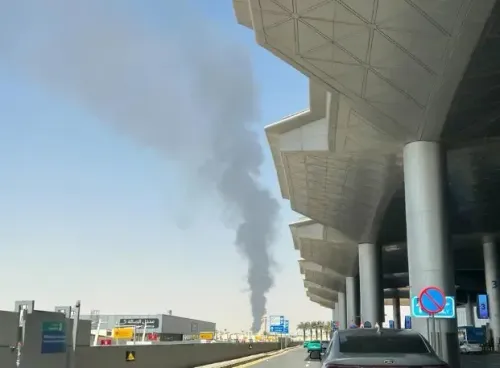
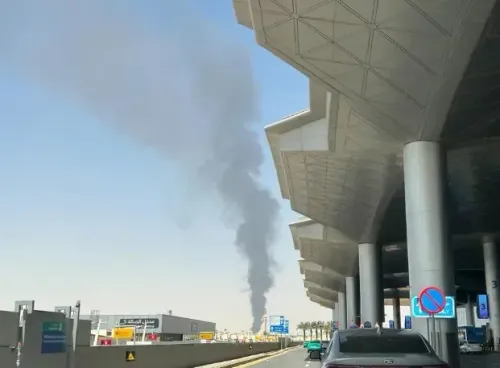
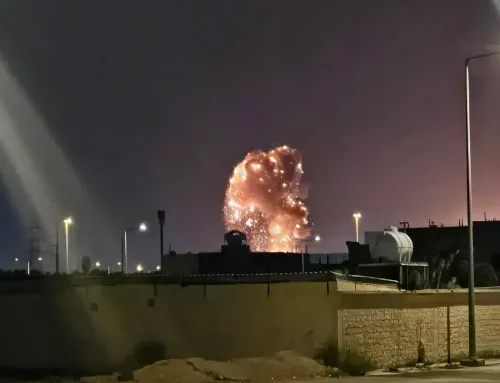
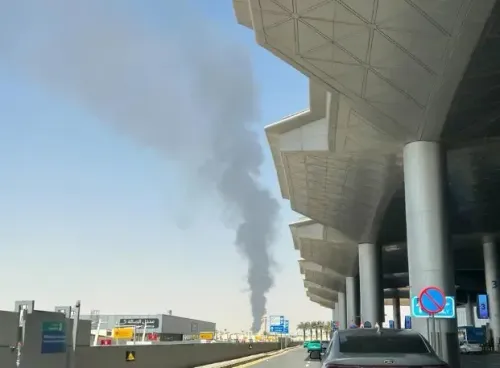
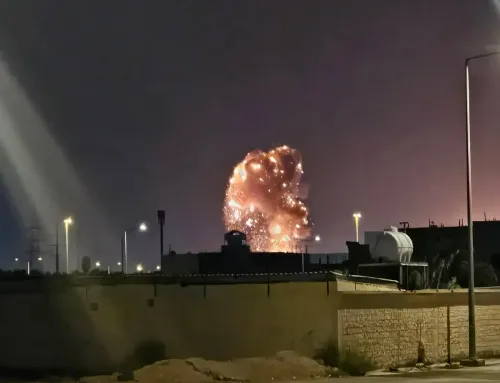
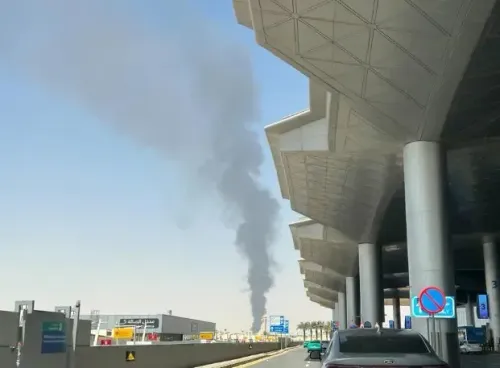
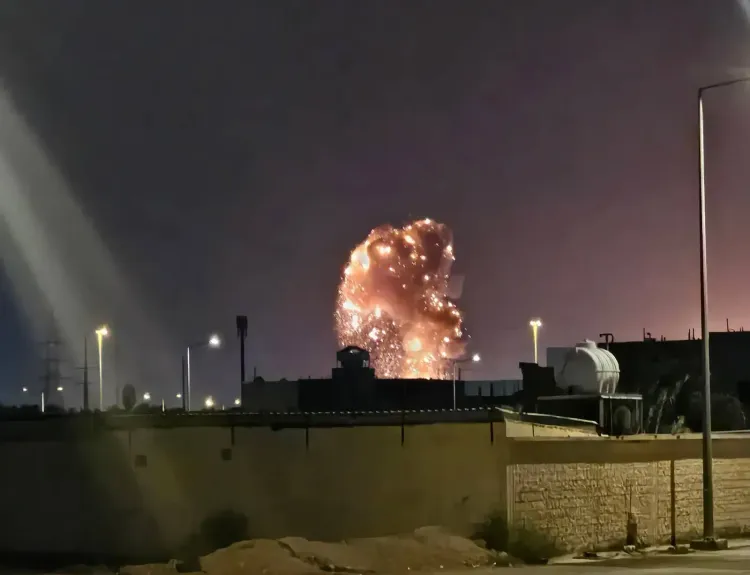
India's MEA on 22 October 2026 strongly condemned attacks on King Fahd International Airport in Dammam and Saudi Aramco 's Shaybah oil field , both struck on 21 October 2026 .
One Indian national was killed and two others injured at Dammam airport ; a further Indian national was injured at the Shaybah oil field .
Saudi Arabia's GACA confirmed 2 fatalities — one Saudi citizen and one Indian resident — and 8 injured at the airport.
The Indian Embassy in Riyadh is in active contact with Saudi authorities and is assisting affected families.
India expressed solidarity with Saudi Arabia's sovereignty and called for an immediate cessation of attacks on civilian and critical infrastructure.
Airport operations at King Fahd International Airport have since resumed, with air traffic back to normal, according to GACA .
India on Thursday, 22 October 2026 strongly condemned the attacks on civilian and energy infrastructure in Saudi Arabia, including strikes on King Fahd International Airport in Dammam and Saudi Aramco's Shaybah oil field in the Eastern Province, as the Ministry of External Affairs (MEA) confirmed that one Indian national was killed and three others were injured across both incidents. The government expressed solidarity with Riyadh and called for an immediate halt to attacks on civilian and critical infrastructure.
What the MEA Said
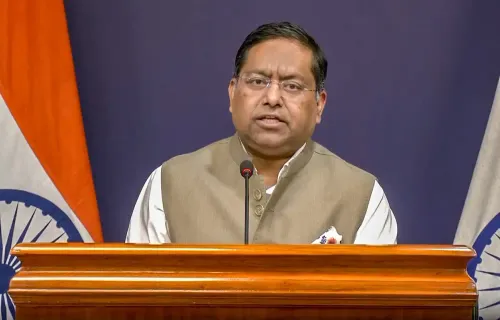
In a formal statement, the MEA said: 'We strongly condemn the continued attacks on civilian and energy infrastructure in Saudi Arabia, including the attack on King Fahd International Airport in Dammam and Saudi Aramco's Shaybah oil field in the Eastern Province on October 21. These attacks have unfortunately resulted in civilian deaths and injuries.'
The ministry added that it stands in solidarity with 'the people and the Government of the Kingdom of Saudi Arabia in safeguarding its sovereignty,' and expressed hope that 'peace and normalcy would return to the region at the earliest.' The Indian Embassy in Riyadh has been placed in active contact with Saudi authorities and is providing all possible assistance to affected families.
Indian Casualties Confirmed
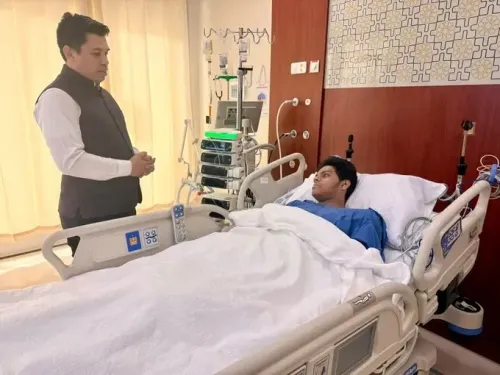
According to the MEA, one Indian national was killed and two others were injured in the attack on King Fahd International Airport in Dammam. A separate Indian national was injured in the strike on the Shaybah oil field. The ministry offered condolences to the family of the deceased and wished speedy recovery to those wounded.
The Indian Embassy in Saudi Arabia had earlier posted on X confirming: 'Saudi authorities have informed that one Indian national was among two people who unfortunately lost their lives in the attack on Dammam airport yesterday night and two Indian nationals were injured. We are ascertaining further details and contacting the affected families.'
Saudi Aviation Authority's Account
Saudi Arabia's General Authority of Civil Aviation (GACA) confirmed in a statement posted on X that the total number of fatalities at King Fahd International Airport rose to two — comprising one Saudi citizen and one Indian resident — after an additional death was confirmed. The injured numbered eight, including one Saudi citizen and residents from India (2), Yemen (2), Bangladesh (2), and Nepal (1), with injuries described as ranging from minor to critical.
GACA added that it is coordinating with relevant authorities to assess damage and verify the safety of facilities. Notably, airport operations have since resumed and air traffic has returned to normal, according to the authority.
Context and Regional Implications
The attacks on 21 October 2026 targeted both a major international aviation hub and a strategically critical oil installation — Saudi Aramco's Shaybah field, one of the world's largest oil-producing facilities, located deep in the Rub' al Khali desert. Strikes on Aramco infrastructure have occurred previously, most notably in 2019 when drone and missile attacks on the Abqaiq and Khurais facilities temporarily disrupted nearly 5% of global oil supply. This latest incident signals a continued vulnerability in the region's energy corridor.
India's response carries particular weight given the significant Indian diaspora in Saudi Arabia — estimated at over 2.4 million — and the country's heavy dependence on Gulf energy imports. New Delhi's call for the cessation of attacks on civilian infrastructure reflects both humanitarian concern and strategic interest in regional stability.
What Happens Next
The Indian Embassy in Riyadh is expected to continue liaising with Saudi authorities on the status of affected nationals. The MEA has not yet indicated whether a formal diplomatic communication has been dispatched to the party responsible for the strikes. Analysts say India's response will be closely watched as a signal of its broader posture on Gulf security at a time of heightened regional tensions.
Point of View
Attacks on Riyadh's civilian and energy infrastructure hit New Delhi's strategic calculus directly. The strike on Aramco's Shaybah field echoes the 2019 Abqaiq attack, raising questions about the durability of the regional security architecture that India depends upon but has limited leverage to shape. New Delhi's call for peace without naming a perpetrator is a careful balancing act — but silence on attribution will draw scrutiny from partners who expect India to sharpen its posture on Gulf security as its stakes grow.
NationPress
22 Oct 2026
Frequently Asked Questions
What happened at King Fahd International Airport in Dammam?
King Fahd International Airport in Dammam, Saudi Arabia, was attacked on the evening of 21 October 2026, resulting in 2 deaths — one Saudi citizen and one Indian resident — and 8 injuries. Saudi Arabia's General Authority of Civil Aviation (GACA) confirmed that airport operations have since resumed and air traffic has returned to normal.
How many Indians were affected in the Saudi Arabia attacks?
According to the MEA, one Indian national was killed and two others were injured at King Fahd International Airport in Dammam; a separate Indian national was injured in the attack on Saudi Aramco's Shaybah oil field. The Indian Embassy in Riyadh is in contact with Saudi authorities and the affected families.
What did India's Ministry of External Affairs say about the attacks?
The MEA strongly condemned the attacks on civilian and energy infrastructure in Saudi Arabia, calling them 'completely unacceptable' and demanding they 'cease immediately.' India expressed solidarity with Saudi Arabia's sovereignty and hoped peace and normalcy would return to the region at the earliest.
Was the Saudi Aramco Shaybah oil field significantly damaged?
The MEA confirmed that Saudi Aramco's Shaybah oil field in the Eastern Province was attacked on 21 October 2026, and one Indian national was injured in that strike. The extent of infrastructure damage to the oil field has not been detailed in official statements so far.
Why does this matter for India?
India has an estimated 2.4 million nationals living in Saudi Arabia and relies heavily on Gulf energy imports, making regional stability a core strategic concern for New Delhi. The death of an Indian national and injuries to three others in the attacks makes this a direct consular and humanitarian issue for the Indian government.