CM Shivakumar Meets Union Env Minister, Pushes 4 Key Karnataka Demands
Synopsis
Karnataka CM D.K. Shivakumar met Union Environment Minister Bhupender Yadav in New Delhi on 22 October 2026, submitting four demands: clearance for the 2,000 MW Sharavathy Pumped Storage Project, the Mekedatu geo-survey, deferral of the Western Ghats 7th ESA draft notification, and removal of Eco Cane Sugar from the Eco-Sensitive Zone.
Key Takeaways
Shivakumar met Union Minister Bhupender Yadav in New Delhi on 22 October 2026 to submit Karnataka's development and environmental requests.
Karnataka sought early clearance for the 2,000 MW Sharavathy Pumped Storage Project , noting all required clarifications and the NIAS report have been submitted.
The state requested fast-tracking of a 20-borehole geo-technical survey for the Mekedatu Balancing Reservoir project, which does not involve diversion of protected forest area.
Karnataka asked the Centre to defer finalising the 7th Draft Western Ghats ESA Notification for up to one year pending a state High-Level Committee report and physical survey.
Eco Cane Sugar Energy Limited was flagged for removal from the Eco-Sensitive Zone, citing its pre-2016 establishment and support for 500+ workers and 5,000 families .
The Western Ghats ESA process dates to the 2011 Gadgil Committee and has seen six draft notifications since 2014, reflecting persistent state-Centre friction over ecological designations.
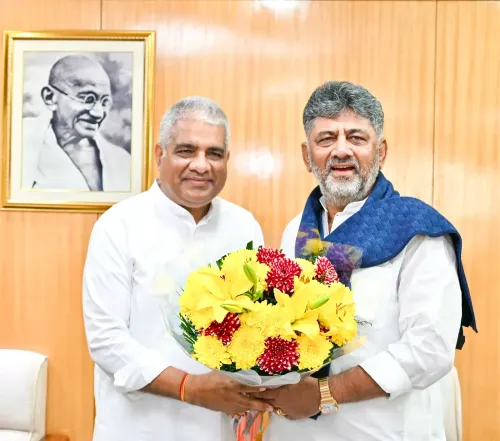
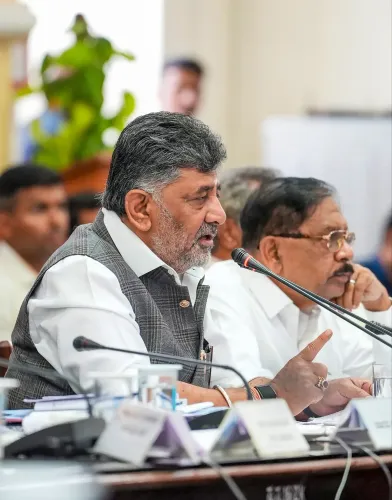
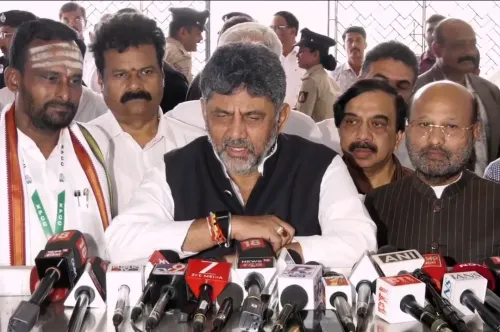
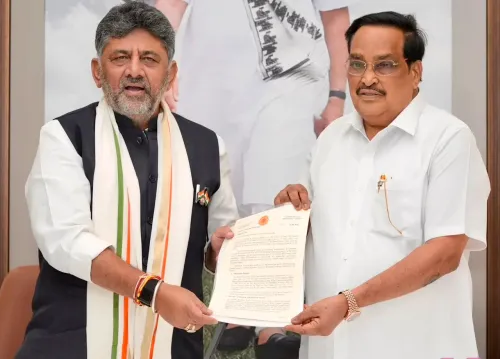
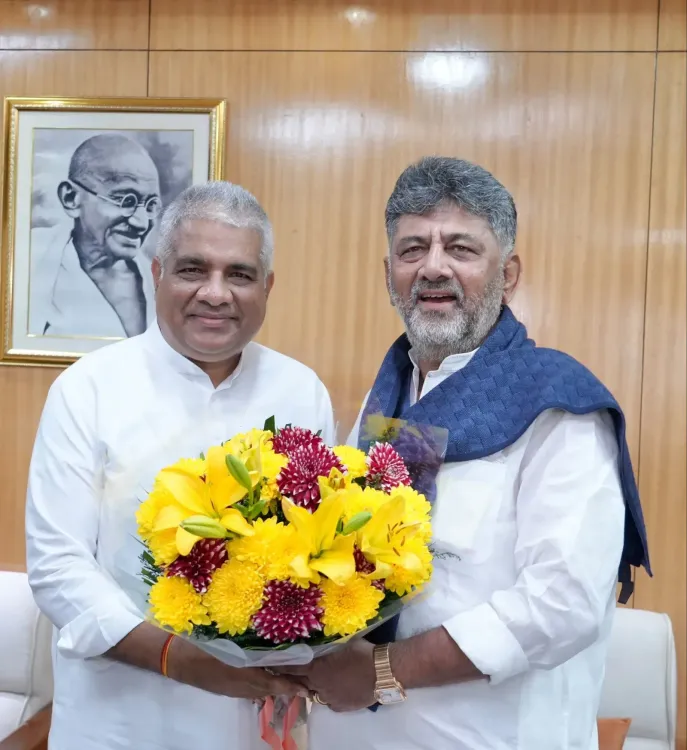
Four pressing demands — energy, water, ecology, and livelihoods — landed on the Union Environment Ministry's table on Thursday, 22 October 2026, when Karnataka Chief Minister Shri D.K. Shivakumar called on Union Minister for Environment, Forest and Climate Change Shri Bhupender Yadav in New Delhi, placing the state's development priorities squarely against the Centre's environmental clearance machinery.
The 2,000 MW Sharavathy ask — and why it can't wait
At the top of Shivakumar's list was early clearance for the 2,000 MW Sharavathy Pumped Storage Project. Karnataka has already submitted clarifications and the NIAS report requested by the Standing Committee — the state's position is that the ball is firmly in New Delhi's court. Pumped storage hydro has emerged as a critical tool for grid stability as India integrates rising volumes of solar and wind power, making the Sharavathy project not just a Karnataka priority but a piece of national energy architecture.
Mekedatu's 20 boreholes — a geo-survey, not a forest grab
The Chief Minister also pressed for early consideration of the Mekedatu Balancing Reservoir and Drinking Water Project's geo-technical survey proposal — specifically, 20 boreholes. Karnataka stressed that the survey does not, at this stage, seek any diversion of protected forest area. The Mekedatu project on the Cauvery river has been in the pipeline since the early 2010s, aimed at addressing downstream drinking water needs and storage deficits — and its clearance journey has been as turbulent as the river's own water-sharing politics.
Western Ghats ESA — Karnataka wants the survey done before the ink dries
Perhaps the most consequential request was on the 7th Draft Notification for the Western Ghats Ecologically Sensitive Area (ESA). Shivakumar urged the Centre to defer finalising the notification until the State Government's High-Level Committee submits its report and a physical survey is completed — a window the state estimates at one year. The Western Ghats ESA process stretches back to the landmark 2011 Madhav Gadgil Committee report and the 2013 Kasturirangan report, after which six draft notifications were issued between 2014 and 2022 — each revised amid fierce state-level pushback over the impact on existing settlements and industries. Karnataka's demand for a pause before notification seven is finalised follows that well-worn pattern of states insisting that on-the-ground realities must precede top-down ecological designations.
Eco Cane Sugar — 500 workers, 5,000 families, and a pre-2016 provenance
The fourth request zeroed in on a specific firm: Eco Cane Sugar Energy Limited, which Shivakumar wants removed from the proposed Eco-Sensitive Zone. The argument is precise — the factory was established before 2016, predating the ESZ boundary proposals, and currently sustains over 500 workers and 5,000 families. It is the clearest illustration of the broader tension the Chief Minister's Office articulated in closing: the government's stated commitment to 'balancing environmental protection with sustainable development, energy and water security, and the livelihoods of our people.'
Karnataka's four-point submission to the Union Ministry now enters the machinery of central clearance and inter-departmental deliberation — the state has laid out its case; the timelines it gets back will define whether development and ecology find their balance or stay locked in the standoff that has defined the Western Ghats debate for over a decade.
Point of View
Water, biodiversity, and livelihood concerns into one negotiating package. The Sharavathy and Mekedatu asks are fundamentally infrastructure plays dressed in the language of compliance; the Western Ghats deferral request extends a decade-long state strategy of using survey timelines to slow top-down ecological zoning. The Eco Cane Sugar inclusion is the most politically legible move — attaching a human face (500 workers, 5,000 families) to what would otherwise be a dry regulatory exclusion. Whether the Centre responds or lets these requests age in committees will be a signal of how seriously it takes state autonomy in the environment space ahead of the next round of ESA finalisation.
NationPress
22 Oct 2026
Frequently Asked Questions
What did Karnataka CM Shivakumar ask Union Minister Bhupender Yadav?
CM Shivakumar submitted four requests: early clearance for the 2,000 MW Sharavathy Pumped Storage Project, fast-tracking the Mekedatu geo-technical survey, deferring the Western Ghats 7th ESA draft notification by up to one year, and removing Eco Cane Sugar Energy Limited from the Eco-Sensitive Zone.
What is the Sharavathy Pumped Storage Project?
The Sharavathy Pumped Storage Project is a proposed 2,000 MW energy storage initiative in Karnataka awaiting central clearance. Karnataka has submitted all required clarifications and the NIAS report to the Standing Committee.
What is the Western Ghats Ecologically Sensitive Area 7th Draft Notification?
It is the latest in a series of draft notifications — the seventh since 2014 — defining the boundaries and restrictions of the Western Ghats Eco-Sensitive Area. Karnataka has asked the Centre to defer its finalisation pending a state-level physical survey and High-Level Committee report.
Why does Karnataka want Eco Cane Sugar removed from the Eco-Sensitive Zone?
Karnataka argues that Eco Cane Sugar Energy Limited was established before 2016, predating the ESZ proposals, and supports over 500 direct workers and 5,000 families, making its inclusion in the zone a livelihood concern.
What is the Mekedatu Balancing Reservoir project?
The Mekedatu Balancing Reservoir is a proposed project on the Cauvery river in Karnataka aimed at meeting downstream drinking water needs and improving water storage. The state is currently seeking approval for a 20-borehole geo-technical survey that does not involve diversion of any protected forest area.