Sharavathi Pumped Storage Project key to Karnataka's power future: Shivakumar
Synopsis
Karnataka CM Shivakumar has drawn a line in the sand: the 2,000 MW Sharavathi Pumped Storage Project will be built, environmental objections notwithstanding. With the Centre still reviewing the project over fears of felling 15,000 trees in the Western Ghats, the state's resolve sets up a direct test of federal-state power dynamics — and of how India balances its energy transition against ecological commitments.
Key Takeaways
Shivakumar reaffirmed the state's commitment to the Sharavathi Pumped Storage Project at KPCL's 57th Foundation Day in Bengaluru .
The project proposes an installed capacity of 2,000 MWe along the Sharavathi River in the Western Ghats .
The Government of India has put the project on hold pending an environmental review; around 15,000 trees across 57 hectares would be felled.
The Pavagada Solar Park currently generates 2,000 MW ; farmers have offered 10,000 additional acres for expansion.
Karnataka spends approximately ₹10,000 crore annually on the Gruha Jyothi Scheme and ₹20,000 crore on agricultural pump-set subsidies.
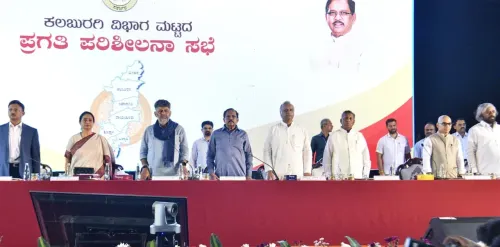
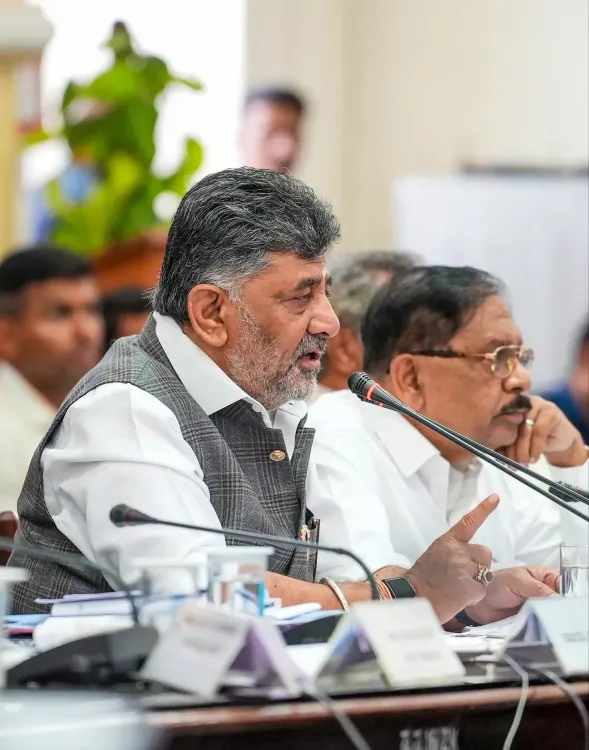
Karnataka Chief Minister D.K. Shivakumar on Monday declared that the Sharavathi Pumped Storage Project is indispensable to the state's long-term electricity security, reaffirming the government's commitment to pushing ahead with the project despite ongoing opposition. He was speaking at the 57th Foundation Day celebrations of Karnataka Power Corporation Limited (KPCL), held at the Jnana Jyothi Auditorium of Bengaluru City University on Palace Road.
Shivakumar's Stand on the Project
'The groundwork for the Sharavathi Pumped Storage Project had been initiated long ago, but it did not materialise then. Efforts are now underway to implement it, and the required statutory clearances are being obtained. Although some people are raising objections, we will not retreat from a project that is crucial for the state,' Shivakumar said.
The Chief Minister drew a parallel with the Yelahanka gas-based power plant, which faced significant opposition when first proposed by KPCL but was ultimately built and is now operational. He cited this as evidence that the government would not be deterred by public resistance to strategically important infrastructure.
Pavagada Solar Park Expansion
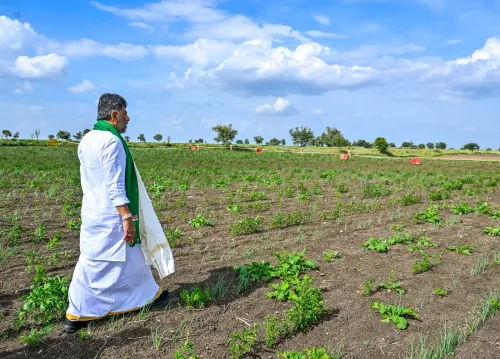
Shivakumar also highlighted the success of the Pavagada Solar Park, noting that farmers were made stakeholders rather than displaced landowners — a model he described as a template for the rest of the country. The park currently generates 2,000 MW of electricity, and farmers in the area have reportedly offered an additional 10,000 acres for expansion. Work on this expansion is expected to begin shortly.
Gruha Jyothi and Agricultural Subsidies
The Chief Minister said the state government provides free electricity to 1.61 crore households under the Gruha Jyothi Scheme, with an annual expenditure of approximately ₹10,000 crore. An additional ₹20,000 crore per year is allocated as subsidy for free electricity to agricultural pump sets. Together, he said, these two programmes result in combined savings of nearly ₹30,000 crore for Karnataka's citizens annually. KPCL, he added, has been central to the scheme's success.
What the Sharavathi Project Involves
The Sharavathi Pumped Storage Hydropower Project (SPSHP) is a proposed pumped-storage facility planned along the Sharavathi River in the Western Ghats. It would have an installed capacity of 2,000 MWe using Francis turbines, and if completed, would rank among the largest pumped-storage hydroelectric projects in India.
The project is currently on hold and under review by the Government of India over environmental concerns. According to reports, around 15,000 trees across 57 hectares of land would need to be felled, many of them endangered or threatened species. Environmental activists have opposed the project and have demanded that the Central Government cancel it entirely via gazette notification.
The Environmental Flashpoint
The project sits at the intersection of Karnataka's energy ambitions and the ecological sensitivity of the Western Ghats — a UNESCO World Heritage biodiversity hotspot. Critics argue that the scale of tree-felling poses a serious risk of ecological damage that cannot be offset by the project's power output. The Centre's review has kept the project in limbo, and Shivakumar's remarks signal that the state intends to press forward once statutory clearances are secured.
How the Centre responds to Karnataka's push — and whether environmental clearances are granted — will determine whether the 2,000 MW project moves from blueprint to reality.
Point of View
000 trees, many of them threatened species, in the Western Ghats for a project already stalled by federal review is a significant gamble. The Yelahanka parallel he invoked is instructive but imperfect — a gas plant on urban fringe land is categorically different from a hydropower facility in a biodiversity hotspot. If the clearances come through, the project's 2,000 MW could meaningfully reduce Karnataka's power deficit; if they don't, the state's energy planning has a large unresolved gap.
NationPress
19 Oct 2026
Frequently Asked Questions
What is the Sharavathi Pumped Storage Project?
The Sharavathi Pumped Storage Hydropower Project (SPSHP) is a proposed pumped-storage power plant to be built along the Sharavathi River in the Western Ghats, with a planned installed capacity of 2,000 MWe using Francis turbines. If completed, it would be one of the largest pumped-storage hydroelectric projects in India.
Why is the Sharavathi project controversial?
The project requires felling approximately 15,000 trees across 57 hectares, many of them endangered or threatened species in the ecologically sensitive Western Ghats. Environmental activists have demanded its cancellation, and the Government of India has placed it on hold pending an environmental review.
What did CM Shivakumar say about the project?
Shivakumar said the project is crucial for Karnataka's future electricity needs and that the government would not back down despite opposition. He added that statutory clearances are being pursued and compared the situation to the Yelahanka gas plant, which also faced resistance but was eventually built.
What is Karnataka's current status on the Gruha Jyothi Scheme?
Under the Gruha Jyothi Scheme, Karnataka provides free electricity to 1.61 crore households at an annual cost of approximately ₹10,000 crore. The state also spends ₹20,000 crore per year subsidising electricity for agricultural pump sets, with the two schemes together saving citizens nearly ₹30,000 crore annually.
What is the current status of the Pavagada Solar Park?
The Pavagada Solar Park is currently generating 2,000 MW of electricity. Farmers in the region have offered an additional 10,000 acres for its expansion, and work on that expansion is expected to begin shortly.