CM Fadnavis visits Navratri Utsav Mandals across Mumbai
Synopsis
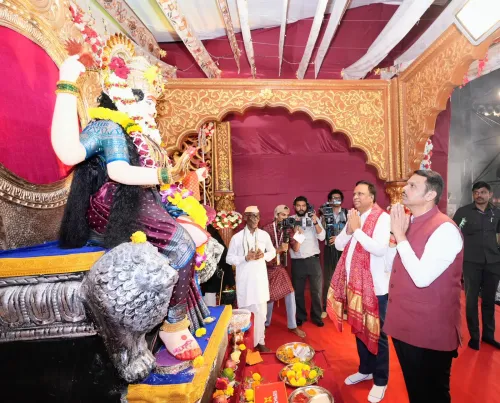
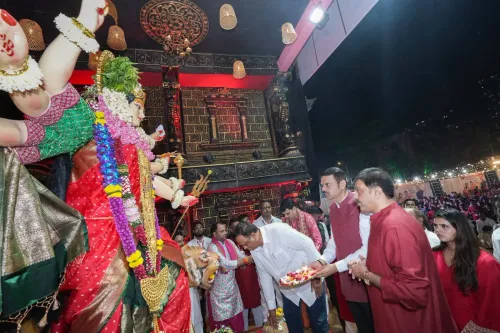
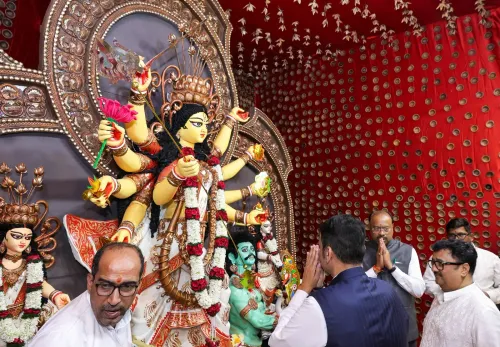
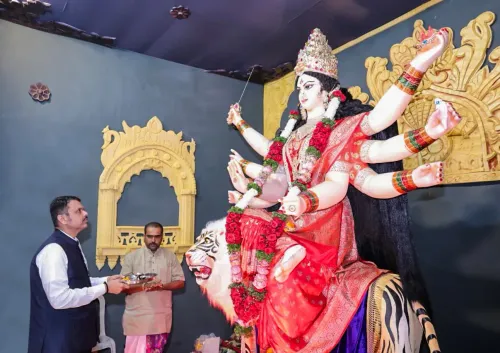
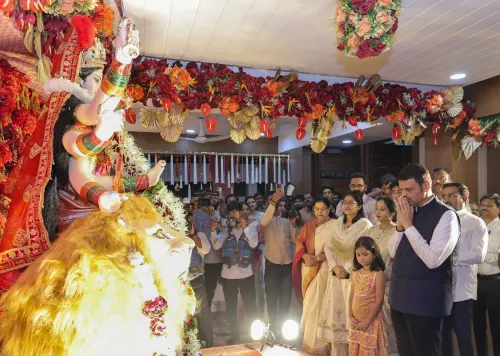
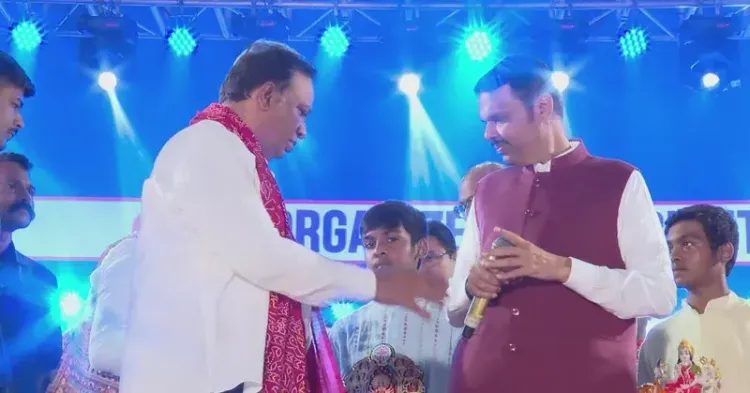
Maharashtra Chief Minister Devendra Fadnavis visited multiple Navratri Utsav Mandals across Mumbai on the night of 13 October 2026, broadcasting his community outreach live as the nine-night festival dedicated to Goddess Durga reached full stride.
Key Takeaways
CM Devendra Fadnavis visited multiple Navratri Utsav Mandals in Mumbai on 13 October 2026 .
The visit was broadcast live at 8:19 PM IST , extending the community engagement to a statewide audience.
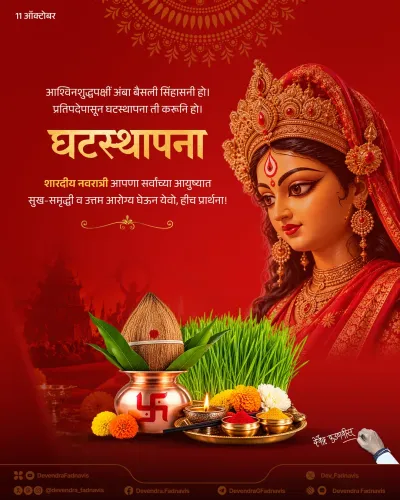
Navratri is a nine-night Hindu festival dedicated to Goddess Durga , widely celebrated in Maharashtra with Garba, Dandiya and cultural programmes.
Mumbai hosts hundreds of registered Navratri Utsav Mandals organising pandals and events across the city's neighbourhoods.
The visit reflects a longstanding tradition of Maharashtra CMs engaging with major religious festivals as part of public and community outreach.
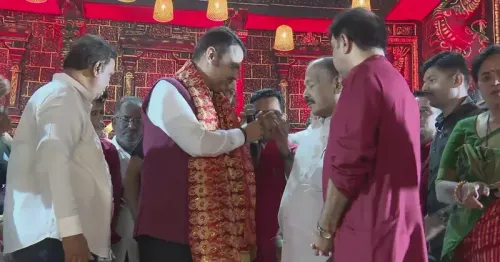
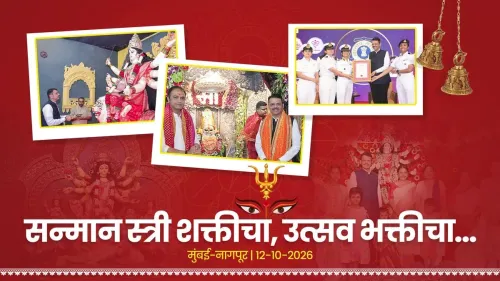
On the festive night of Navratri, Maharashtra Chief Minister Devendra Fadnavis stepped into the heart of Mumbai's community celebrations, visiting multiple Navratri Utsav Mandals across the city on 13 October 2026 — joining thousands of residents who have turned the city's neighbourhood pandals into a citywide cultural pulse.
Fadnavis shared the visit live at 8:19 PM, broadcasting directly from the ground as he moved between mandals — a gesture that carried the celebrations beyond each venue and into living rooms across the state. His post, tagged नवरात्रीनिमित्त विविध नवरात्रौत्सव मंडळांना भेट ('Visiting various Navratri festival committees on the occasion of Navratri'), underscored the personal nature of the engagement.
Mumbai's Navratri mandals and the CM's doorstep
Mumbai hosts hundreds of registered Navratri Utsav Mandals — neighbourhood committees that organise pandals, Garba and Dandiya nights, cultural programmes and devotional gatherings dedicated to Goddess Durga across the city's wards. The nine-night festival has grown steadily into one of Maharashtra's most organised urban celebrations, with community groups coordinating permissions, logistics and security at a significant scale.
For a sitting Chief Minister, such visits are part of a well-established tradition of ceremonial outreach during major religious festivals. They serve both as public affirmation of the state's cultural heritage and as direct community connect — a visible reminder that governance and neighbourhood life share the same calendar in Maharashtra.
Navratri 2026 arrives as Mumbai continues to see growing participation in public festive gatherings, with mandals reporting higher footfall and more elaborate programmes each successive year. The CM's live broadcast format extended that community energy to a statewide audience in real time.
Point of View
Engaging directly with Navratri Utsav Mandals in Mumbai reinforces his administration's alignment with the city's organised cultural ecosystem. The live-broadcast format marks a shift from traditional photo-ops toward real-time community storytelling, reflecting how festive outreach is evolving in the social-media era. Such moves carry low political risk but measurable cultural dividend during a festival season that spans every ward in the state.
NationPress
14 Oct 2026
Frequently Asked Questions
Why did CM Devendra Fadnavis visit Navratri mandals in Mumbai?
CM Fadnavis visited multiple Navratri Utsav Mandals on 13 October 2026 to participate in and acknowledge the community's Navratri celebrations, continuing a tradition of chief ministerial engagement with major religious and cultural festivals in Maharashtra.
What are Navratri Utsav Mandals in Mumbai?
Navratri Utsav Mandals are local community committees across Mumbai and Maharashtra that organise pandals, Garba and Dandiya events, and cultural programmes during the nine-night Navratri festival dedicated to Goddess Durga.
What is Navratri and how is it celebrated in Maharashtra?
Navratri is a nine-night Hindu festival honouring Goddess Durga, celebrated across Maharashtra with Garba and Dandiya dances, devotional gatherings, and elaborate pandal decorations organised by neighbourhood mandals.
Did Devendra Fadnavis broadcast his Navratri mandal visit live?
Yes, CM Fadnavis shared the visit as a live broadcast on the night of 13 October 2026 at 8:19 PM, allowing a statewide audience to follow along in real time.
Which city did CM Fadnavis visit for Navratri 2026?
CM Devendra Fadnavis visited Navratri Utsav Mandals in Mumbai, the capital of Maharashtra, on 13 October 2026.