CM Nitish orders paddy procurement drive from November in Bihar
Synopsis
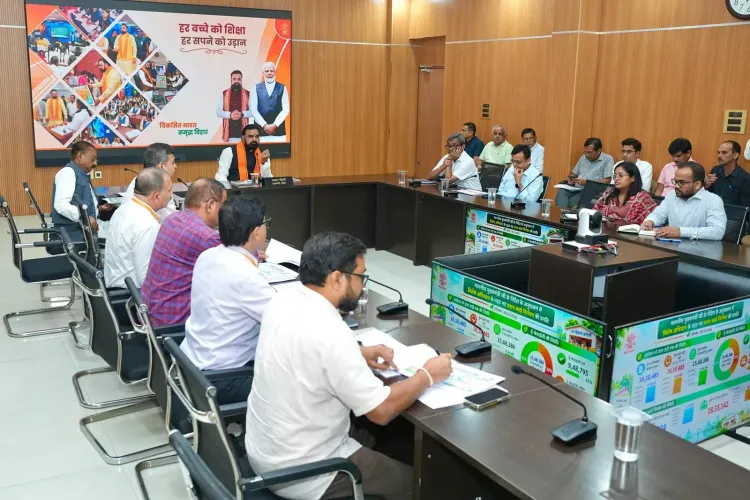
Bihar CM Nitish Kumar has directed state officials to begin Kharif paddy procurement from November 2026 and conduct special ration-card enrolment campaigns at Panchayat Divas and sahyog shivir camps to ensure eligible households are covered under the National Food Security Act.
Key Takeaways
Paddy procurement in Bihar will begin from November 2026 , aligned with Kharif harvest timelines.
CM Nitish Kumar has explicitly directed officials to complete 'fixed targets' — not merely begin the process.
Special campaigns will run at Panchayat Divas forums and sahyog shivir camps to enrol eligible households for ration cards.
The drive aims to close remaining gaps in National Food Security Act, 2013 beneficiary lists in Bihar's rural areas.
Both initiatives — farmer price-support and food-security enrolment — are being channelled through Bihar's existing panchayat-level outreach infrastructure .
District-level data through November to March will determine whether the directive translates into ground-level achievement.
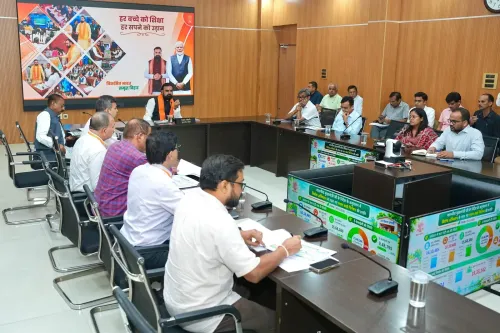
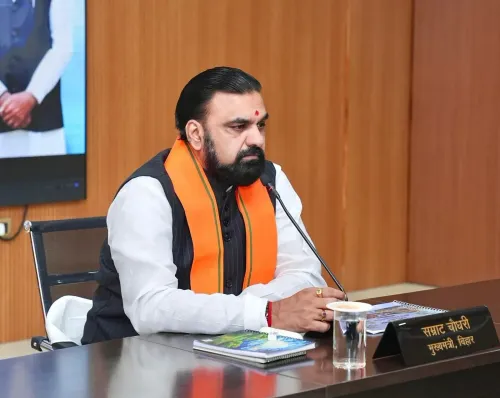
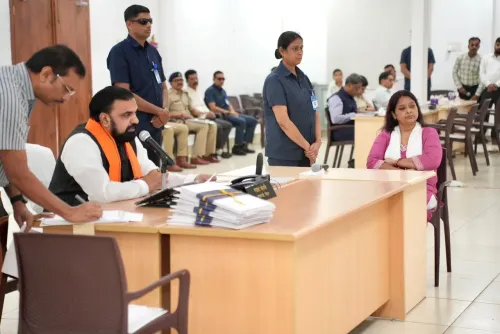
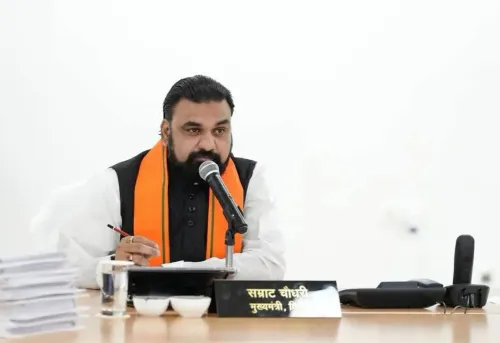
With the Kharif harvest weeks away, Bihar Chief Minister Nitish Kumar has directed state officials to launch paddy procurement operations from November 2026 and simultaneously run special campaigns at Panchayat Divas forums and sahyog shivir (cooperation camps) to issue ration cards to every eligible beneficiary — making clear that the government expects its targets to be met, not approximated.
The directive, shared by the Chief Minister's Office of Bihar on Tuesday, 13 October 2026, signals a pre-season mobilisation push that blends two distinct but interlinked objectives: price-support for farmers and food-security coverage for rural households. The post states that the CM has instructed officials to 'complete the fixed target' through these special drives — language that sets an accountability benchmark, not just an aspiration.
Why November matters for Bihar's paddy farmers
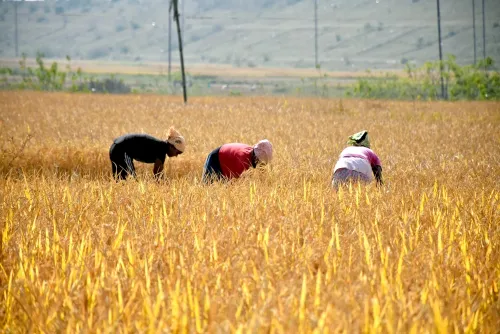
Every year, the November window is critical. Kharif paddy ripens across Bihar's plains in late October and early November, and if state procurement machinery is not in place when farmers bring their crop to market, distress sales to private traders at below-minimum-support-price rates become the default. By announcing procurement start in November, the CM is signalling that the government will be at the mandis when the grain arrives — not catching up after the fact.
Bihar has periodically struggled to hit its own procurement targets, which makes the explicit emphasis on 'completing the fixed target' notable. The directive points to Panchayat Divas — Bihar's monthly village-level grievance and outreach forums — as a key delivery channel, ensuring the procurement drive reaches farmers at the block and panchayat level rather than concentrating only at district headquarters.
The ration card gap Bihar wants to close
Running alongside the procurement push is a ration-card enrolment campaign aimed at households that are eligible under the National Food Security Act, 2013 but have not yet been added to the Public Distribution System beneficiary list. Such gaps persist across Indian states years after the Act came into force, leaving the poorest families outside the subsidised grain network.
The special camps at Panchayat Divas and sahyog shivir are designed to bring the enrolment process to the doorstep of rural households — reducing the documentation burden and eliminating the need for multiple trips to block offices. Nitish Kumar, who has held the Chief Minister's chair almost continuously since 2005, has used the panchayat platform repeatedly for welfare delivery; directing this campaign through the same channel is consistent with that administrative approach.
What the coming months will reveal
The real test of Tuesday's directive will come in the procurement data and ration-card saturation figures that district-level reviews will generate through November to March. If procurement numbers approach the state's fixed targets and new ration cards close a meaningful share of the eligibility gap, the twin-track campaign will have delivered. If they fall short, the gap between directive and delivery will become a political and administrative question.
For Bihar's paddy farmers and its unregistered food-security households, the season has effectively started today — on paper, at least. Whether the machinery matches the memo is what November will decide.
Point of View
Not a routine instruction. Anchoring both campaigns in Panchayat Divas is also a calibrated choice, using an established grassroots platform rather than creating a parallel structure. The broader question is whether Bihar's block-level capacity — long identified as the state's implementation bottleneck — can absorb two simultaneous drives without one crowding out the other.
NationPress
14 Oct 2026
Frequently Asked Questions
When will paddy procurement start in Bihar in 2026?
Bihar CM Nitish Kumar has directed officials to begin Kharif paddy procurement from November 2026 , coinciding with the post-harvest arrival of grain in markets.
What is Panchayat Divas in Bihar?
Panchayat Divas is a monthly village-level forum held across Bihar for grievance redressal, scheme enrolment, and local administration outreach. It is being used as a key venue for the special ration-card enrolment campaign.
How can eligible families get a ration card in Bihar?
Eligible households can enrol at special camps being held at Panchayat Divas forums and sahyog shivir (cooperation camps) under the ongoing campaign directed by CM Nitish Kumar.
What is the National Food Security Act and who benefits in Bihar?
The National Food Security Act, 2013 entitles eligible low-income households to subsidised foodgrains through the Public Distribution System. Bihar is running a drive to ensure all qualifying families are registered and receive ration cards.
Why is paddy procurement important for Bihar farmers?
Timely state procurement at the minimum support price protects Kharif paddy farmers from distress sales to private traders. Starting procurement in November ensures the government is present in markets when the harvest arrives.