CM Siddaramaiah Rules Out Privatisation of Karnataka Power Firms
Synopsis
Chief Minister D.K. Shivakumar declared at a KPTCL employees' ceremony on 3 July 2026 that Karnataka will not privatise any state electricity company. On the same day, Tata Power withdrew its parallel distribution licence application from KERC, marking a significant moment for Karnataka's public-sector power utilities.
Key Takeaways
Shivakumar categorically ruled out privatisation of any electricity company in Karnataka at a KPTCL employees' felicitation event on 3 July 2026 .
Tata Power withdrew its application to KERC for a parallel electricity distribution licence on the same day as the announcement.
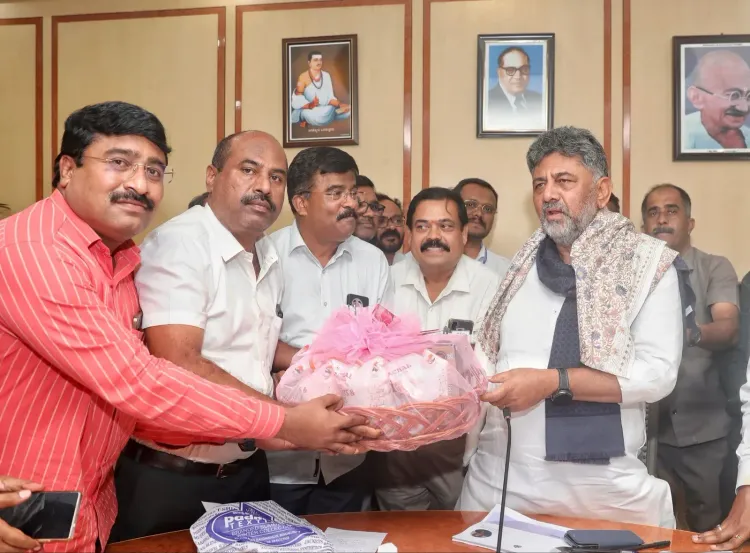
The KEB Engineers Association and the KPTCL employees' union felicitated the Chief Minister for the government's stance on protecting power sector jobs.
Karnataka's electricity sector was unbundled from the erstwhile KEB into KPTCL and distribution companies between 1999 and 2002 .
Regulatory oversight of Karnataka's electricity tariffs and licensing continues to rest with KERC .
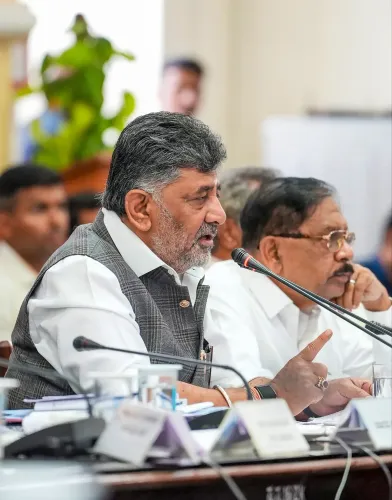
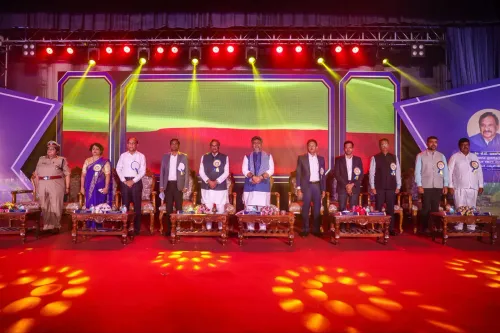
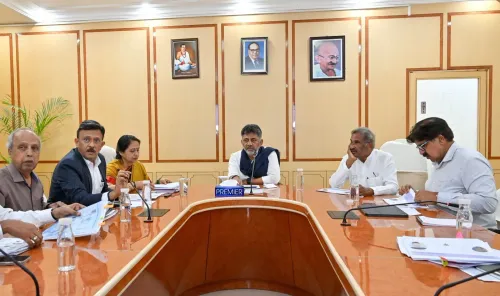
The Chief Minister's Office of Karnataka announced on Friday, 3 July 2026 that Chief Minister D.K. Shivakumar has categorically ruled out the privatisation of any state electricity company, making the declaration at a felicitation ceremony organised by the union of all employees and officers of the Karnataka Power Transmission Corporation Limited (KPTCL). On the same day, Tata Power withdrew its pending application before the Karnataka Electricity Regulatory Commission (KERC) seeking a parallel electricity distribution licence.
Context
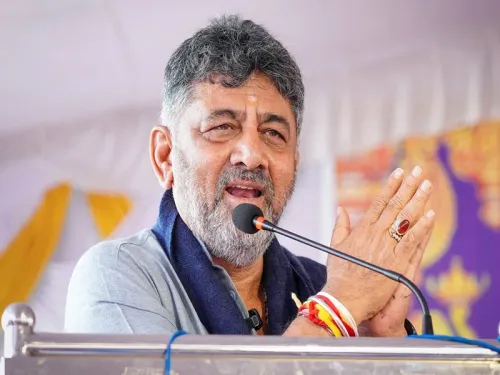
Speaking at the KPTCL employees' felicitation event in Bengaluru, CM Shivakumar declared, 'ರಾಜ್ಯದ ಯಾವುದೇ ವಿದ್ಯುತ್ ಕಂಪನಿಗಳನ್ನು ಯಾವುದೇ ಕಾರಣಕ್ಕೂ ಖಾಸಗೀಕರಣ ಮಾಡಲು ಈ ಸರ್ಕಾರ ಅವಕಾಶ ನೀಡುವುದಿಲ್ಲ' ('This government will not allow the privatisation of any electricity company in the state under any circumstances'). The Chief Minister described the decision as 'historic' and reaffirmed the government's commitment to protecting the interests of power sector employees.
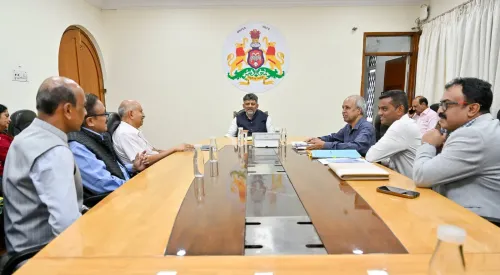
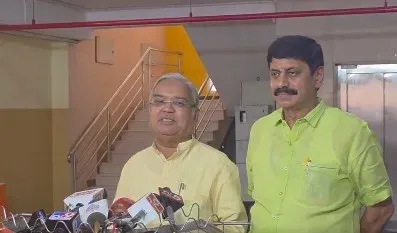
The union and the KEB Engineers Association honoured CM Shivakumar at the ceremony in recognition of the government's stance. Union President Basavanna, General Secretary Chandrashekhar Desai, and Senior Vice-President Rajoji Rao, along with other office-bearers, were present at the event.
Policy Backdrop
Karnataka's power sector was restructured between 1999 and 2002, when the erstwhile Karnataka Electricity Board (KEB) was unbundled into KPTCL and several distribution companies as part of a state-level reform programme. Since that reorganisation, employee unions have consistently opposed any further private entry into the sector, citing concerns over job security and tariff implications.
Across India, multiple states have resisted central-government-backed proposals to introduce private participation in electricity distribution, a pattern that Karnataka's latest position reinforces. Concerns about consumer tariff increases in states that pursued partial privatisation have fuelled similar resistance in other state capitals.
Stakeholders and Impact
Tata Power's withdrawal of its application to KERC for a parallel distribution licence on the same day as the Chief Minister's announcement removes an immediate flashpoint between the state government and private power interests. The parallel-licence model, under which a private firm competes with an existing state distributor in the same geography, has been contentious in several Indian cities.
For the tens of thousands of employees across KPTCL and Karnataka's electricity distribution companies, the government's declaration provides a firm assurance against workforce restructuring that typically accompanies privatisation. Electricity consumers will continue to be served by state-owned utilities, with tariff regulation remaining under KERC's oversight.
What's Next
KERC will remain the key regulatory body to watch for any further licence applications or orders related to private participation in Karnataka's power distribution network. References to power-sector ownership in the next state budget or assembly session will signal whether the government codifies this commitment in policy or legislation.
The government's firm public stance, coupled with Tata Power's licence withdrawal, effectively closes this particular privatisation debate for now — though the broader national conversation on electricity distribution reform is unlikely to subside.
Point of View
Consolidating the Congress government's labour-friendly credentials ahead of future electoral cycles. The coincidence of Tata Power's licence withdrawal on the same day amplifies the optics of state authority over private entry, even if the regulatory and legal processes around parallel licensing remain technically independent. Karnataka's stance fits a wider pattern of state governments using electricity sector ownership as a proxy battle over the pace of central-government-backed power reforms. Whether the government translates this public commitment into legislative protection for public-sector utilities will be the real test of its durability.
NationPress
2 Oct 2026
Frequently Asked Questions
Will Karnataka electricity companies be privatised?
No. Chief Minister D.K. Shivakumar declared on 3 July 2026 that the Karnataka government will not allow privatisation of any state electricity company under any circumstances.
Why did Tata Power withdraw its KERC application?
Tata Power withdrew its application to KERC for a parallel electricity distribution licence on 3 July 2026, the same day CM Shivakumar made his anti-privatisation declaration. No official reason was stated in the government's post.
What is KPTCL and what does it do?
KPTCL, or Karnataka Power Transmission Corporation Limited, is the state-owned utility responsible for electricity transmission in Karnataka. It was formed when the Karnataka Electricity Board was unbundled between 1999 and 2002.
What is a parallel electricity distribution licence in India?
A parallel distribution licence allows a private firm to supply electricity in the same geographic area as an existing distributor, introducing competition. It has been controversial in several Indian cities due to concerns over tariff impacts on consumers.
Who attended the KPTCL felicitation event for CM Shivakumar?
Union President Basavanna, General Secretary Chandrashekhar Desai, Senior Vice-President Rajoji Rao, and other office-bearers of the KPTCL employees' union and the KEB Engineers Association attended the event.