Will 1,000 tribal homestays be developed under the Swadesh Darshan Scheme?
Synopsis
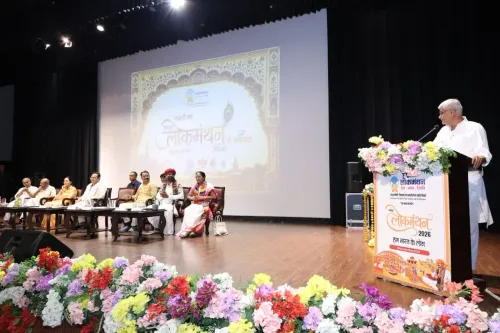
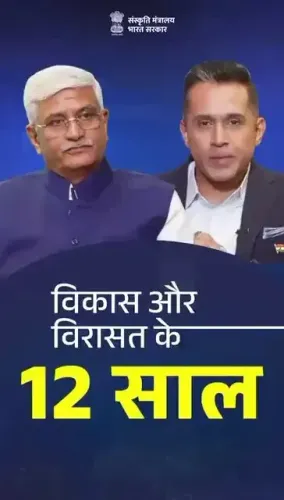
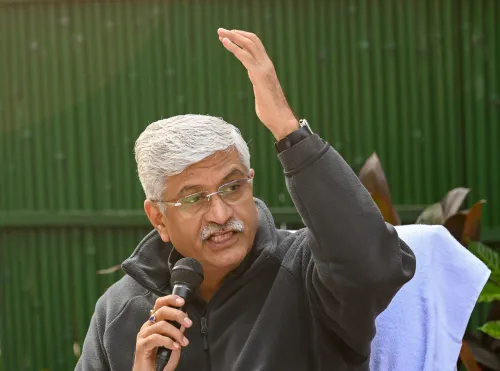
The Indian government has taken a notable step towards enhancing tourism by approving the development of 1,000 tribal homestays. This initiative, led by Union Minister Gajendra Singh Shekhawat, aims to promote sustainable tourism while supporting local economies. Learn more about the program's benefits and its commitment to responsible tourism.
Key Takeaways
1,000 tribal homestays will be developed under the Swadesh Darshan Scheme.
Financial support includes up to Rs 5 lakh for new constructions and Rs 3 lakh for renovations.
The initiative promotes sustainable tourism and supports local economies.
The Travel for LiFE program encourages resource conservation.
Rural tourism is highlighted as a key area of focus.
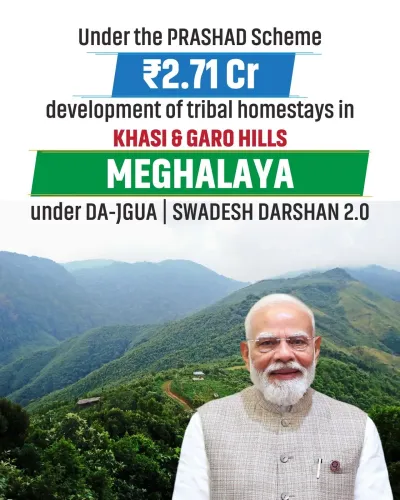
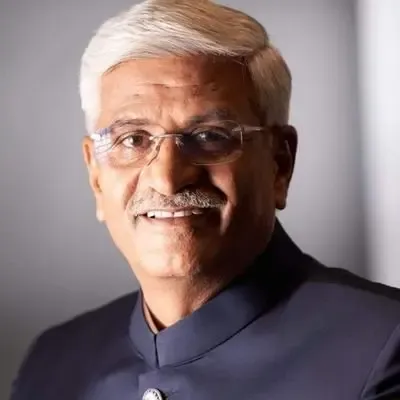
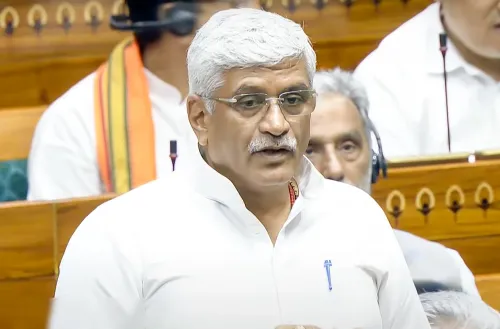
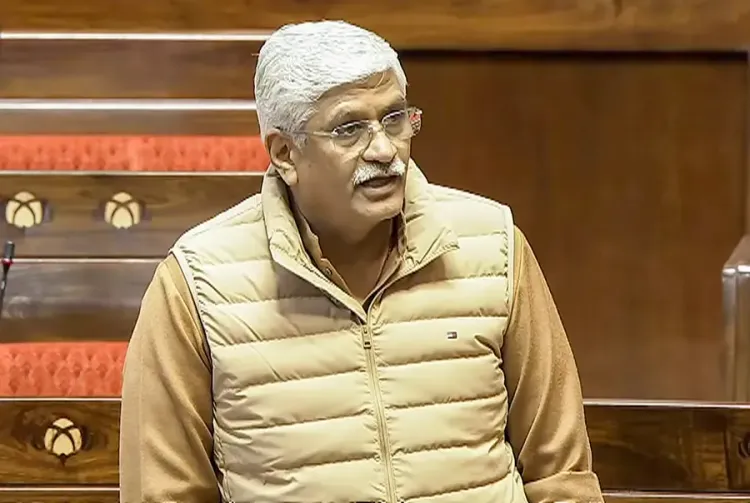
In a significant move, Union Minister for Tourism and Culture Gajendra Singh Shekhawat announced on January 29 that the government has greenlit a project to establish 1,000 tribal homestays under the Swadesh Darshan Scheme. These homestays will be developed as part of the 'Pradhan Mantri Janjatiya Unnat Gram Abhiyan'. The initiative includes financial support of up to Rs 5 lakh for new constructions, Rs 3 lakh for renovations, and an additional Rs 5 lakh for community needs, as detailed in a written response in the Rajya Sabha.
Shekhawat elaborated that the Swadesh Darshan Scheme has undergone a transformation into Swadesh Darshan 2.0, aimed at fostering sustainable and responsible tourism through a focus on both tourists and destinations.
The Ministry actively promotes India’s tourism landscape through diverse initiatives, with an emphasis on enhancing rural homestays and rural tourism.
“Our Ministry consistently showcases various rural tourism destinations and offerings via our website and social media platforms,” he stated.
Additionally, Shekhawat mentioned that the Ministry classifies homestay facilities across the nation under the voluntary Incredible India Bed and Breakfast Establishments scheme.
He noted that the rural circuit has been recognized as a thematic circuit under the Swadesh Darshan Scheme.
“We collaborate with State Governments and Union Territory Administrations to identify projects for developing tourism-related infrastructure, including rural tourism,” he elaborated.
Highlighting sustainable practices, Shekhawat stated that responsible tourism is a central tenet of the National Strategy for Sustainable Tourism, which has been shared with State Governments and Union Territory Administrations.
As part of this strategy, the Travel for LiFE program was launched to motivate tourists and businesses to adopt sustainable tourism practices, focusing on mindful resource usage, minimizing waste (such as single-use plastics), and bolstering local economies to achieve Sustainable Development Goals (SDGs).
Point of View
The government's commitment to developing tribal homestays under the Swadesh Darshan Scheme reflects a progressive approach. This initiative not only aims to enhance the tourism landscape but also ensures the preservation of local cultures and economies, aligning with sustainable practices.
NationPress
24 Oct 2026
Frequently Asked Questions
What is the Swadesh Darshan Scheme?
The Swadesh Darshan Scheme is an initiative by the Indian government aimed at promoting and developing tourism in various thematic circuits across the country.
How much financial support is provided for the homestays?
The government provides up to Rs 5 lakh for new constructions, Rs 3 lakh for renovations, and an additional Rs 5 lakh for community needs.
What is the objective of the Travel for LiFE program?
The Travel for LiFE program encourages tourists and businesses to adopt sustainable tourism practices, focusing on resource conservation and waste reduction.
How does the initiative impact local communities?
This initiative supports local communities by enhancing their economic opportunities through tourism and promoting cultural exchange.
Is the Swadesh Darshan Scheme focused on sustainable tourism?
Yes, the revamped Swadesh Darshan 2.0 emphasizes sustainable and responsible tourism, aiming for a holistic approach to tourism development.