How Many Cases Were Filed Against Adulterators of Fake Milk Products in 2024-25?

Synopsis
In a shocking revelation, over 12,000 cases have been filed against food adulterators in India for non-compliance with milk standards. This report sheds light on the stringent measures taken by authorities to ensure food safety, highlighting the increasing vigilance against adulteration.
Key Takeaways
12,057 cases filed against adulterators in 2024-25.
12,780 samples of milk products failed safety tests.
The FSSAI sets science-based standards for food safety.
Enforcement is a collaborative effort between Central and State governments.
Ongoing engagements with State Food Safety Commissioners ensure effective implementation.
New Delhi, Feb 13 (NationPress) A staggering 12,057 cases have been lodged against offenders by anti-food adulteration authorities during the fiscal year 2024-25, following the revelation that 12,780 samples of milk and milk products did not meet established standards, as reported to the Lok Sabha on Friday.
Union Minister of State for Health and Family Welfare, Prataprao Jadhav, provided this information in a written response, highlighting that 33,405 samples were examined in total as part of actions against non-compliant food business operators (FBOs) during the same period.
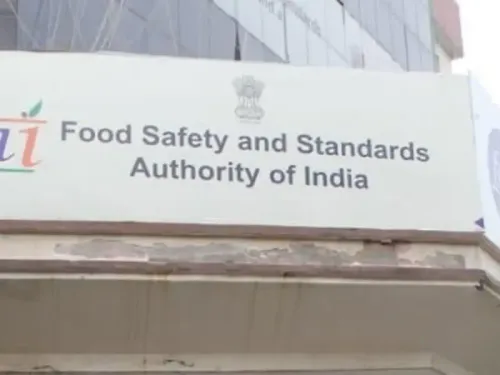
He emphasized that the Food Safety and Standards Authority of India (FSSAI) is responsible for establishing science-based standards for food items and regulating their manufacture, storage, distribution, sale, and import to ensure that safe and wholesome food is accessible to consumers.
The enforcement of these standards primarily falls under the jurisdiction of State Food Safety Authorities, he noted.
Moreover, Jadhav stated that the execution and enforcement of the Food Safety and Standards Act, 2006, is a collaborative effort between the Central and State governments.
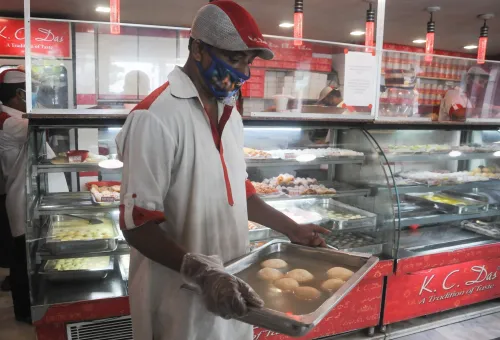
The FSSAI, through its four Regional Offices and state/UT food safety authorities, engages in regular localized and targeted enforcement actions, inspections, and sampling activities for various food items, including milk and its derivatives, throughout the year.
“In instances of non-compliance with standards or violations of the Food Safety and Standards Regulation (FSSR), offending Food Business Operators (FBOs) face regulatory actions, which may include punitive measures under the Food Safety and Standards (FSS) Act, 2006,” he mentioned.
To enhance food safety practices, the FSSAI convenes Central Advisory Committee (CAC) meetings periodically to facilitate focused discussions on emerging issues and required policy reforms.
Through these Central Advisory Committee meetings, ongoing consultations are conducted with State Food Safety Commissioners to assess the enforcement framework and guarantee the effective implementation of food safety protocols.
Point of View
I recognize the importance of food safety in our nation. The alarming number of cases against food adulterators highlights the urgent need for rigorous enforcement of safety standards. Our vigilant approach and commitment to transparency will ensure that consumers can trust the quality of their food.
NationPress
16 Oct 2026
Frequently Asked Questions
How many cases were filed against food adulterators in India?
In 2024-25, a total of 12,057 cases were lodged against food adulterators in India.
What prompted the filing of cases against adulterators?
The cases were filed after 12,780 samples of milk and milk products failed to meet safety standards.
Who is responsible for enforcing food safety standards in India?
The State Food Safety Authorities are primarily responsible for enforcing food safety standards, while the FSSAI sets the guidelines.
What actions are taken against violators of food safety standards?
Violators face regulatory actions, including punitive measures as per the Food Safety and Standards Act, 2006.
How often does the FSSAI conduct inspections?
The FSSAI, through its regional offices, conducts regular inspections and sampling activities throughout the year.