FSSAI Conducts Over 5.18 Lakh Food Sample Analyses; Imposes 88,192 Penalties
Synopsis
The FSSAI's recent report highlights its extensive surveillance efforts, with over 5.18 lakh food samples analyzed, resulting in substantial penalties and license cancellations. This proactive approach aims to ensure food safety across India.
Key Takeaways
5.18 lakh food samples analyzed by FSSAI.
88,192 penalties imposed for non-compliance.
1,161 licenses canceled during the review period.
Conducted 56,259 risk-based inspections .
Deployed 305 mobile food testing units across India.
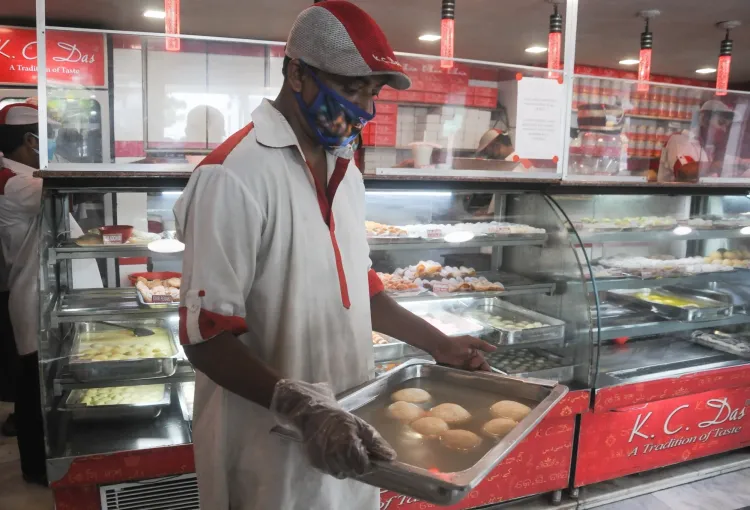
New Delhi, March 17 (NationPress) The Food Safety and Standards Authority of India (FSSAI) has conducted a meticulous analysis of 5,18,559 food samples over the past three years, resulting in 88,192 penalties and 3,614 convictions, as reported by the government on Tuesday.
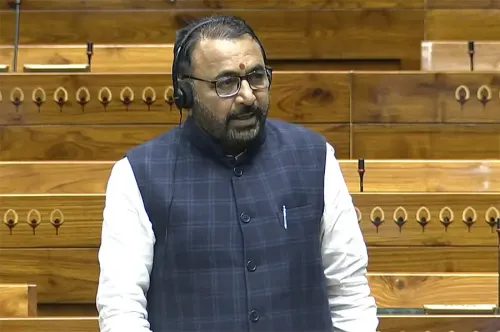
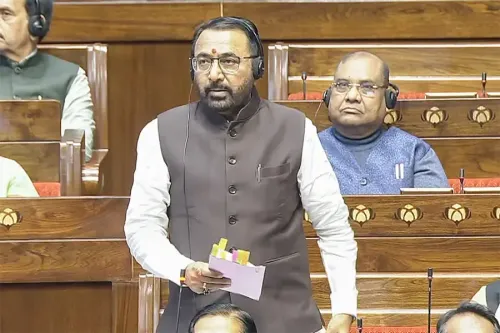
According to Minister of State for Health and Family Welfare, Prataprao Jadhav, FSSAI's rigorous measures led to the cancellation of 1,161 licenses between 2022 and 2025 following random checks on various food items such as milk, ghee, spices, honey, paneer, and more.
These constant surveillance initiatives are executed throughout the year by officials from the Food Safety Departments of respective States and Union Territories (UTs) along with FSSAI's Regional Offices to ensure compliance with the quality and safety standards outlined in the Food Safety and Standards Act, 2006.
In this time frame, 56,259 risk-based inspections were performed, where the frequency of checks was determined based on the risks associated with food businesses and the issued guidelines. The minister noted that annual inspections are mandated for all food categories deemed high-risk.
Additionally, FSSAI has designated 252 food testing laboratories and 24 Referral Food Laboratories for the examination of appellate samples.
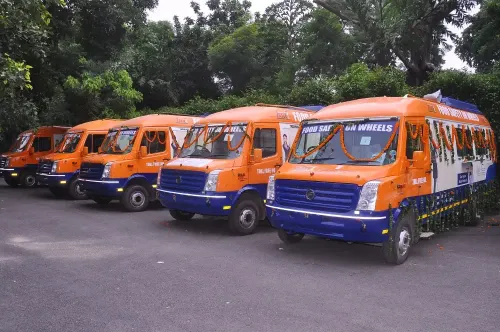
To further combat food adulteration, FSSAI has launched mobile testing units known as “Food Safety on Wheels” (FSWs), deploying 305 units across 35 states and UTs. These mobile labs are equipped for immediate testing of adulteration in various food commodities.
FSSAI also provides financial and technical support to states and UTs, enhancing enforcement and compliance measures, including licensing, registration, consumer grievance redressal, and capacity building for officials.
As part of its initiatives to improve the food testing ecosystem, FSSAI promotes programs like ‘Eat Right Campus’ and ‘Eat Right School’, and it is tasked with establishing science-based standards for food articles, regulating their manufacture, storage, distribution, sale, and import to ensure the availability of safe and wholesome food for human consumption, the minister added.
Nevertheless, the enforcement at the field level is primarily the responsibility of state food safety authorities.
aar/na
Point of View
The initiative reflects a proactive approach to protecting public health. However, the responsibility also falls on state authorities to enforce these standards effectively.
NationPress
16 Sept 2026
Frequently Asked Questions
How many food samples has FSSAI analyzed?
FSSAI has analyzed over 5.18 lakh food samples in the past three years.
What penalties has FSSAI imposed?
FSSAI has imposed 88,192 penalties for violations of food safety standards.
What is the purpose of the mobile testing units?
The mobile testing units, known as 'Food Safety on Wheels', are designed to provide on-the-spot testing for food adulteration.
Who is responsible for food safety enforcement?
State food safety authorities are primarily responsible for enforcing food safety regulations at the field level.