CM Yogi Lays Foundation for ₹794 Cr Gorakhpur Sewerage Phase 2
Synopsis
The Chief Minister's Office of Uttar Pradesh announced a ₹794 crore Phase 2 sewerage and drainage project for Gorakhpur on 1 November 2026, covering 342 km of sewer lines, 45,000 household connections, and two pumping stations across 17 catchment areas, benefiting 2.5–3 lakh residents.
Key Takeaways
₹794 crore invested in Phase 2 sewerage and drainage works across 17 catchment areas in Gorakhpur.
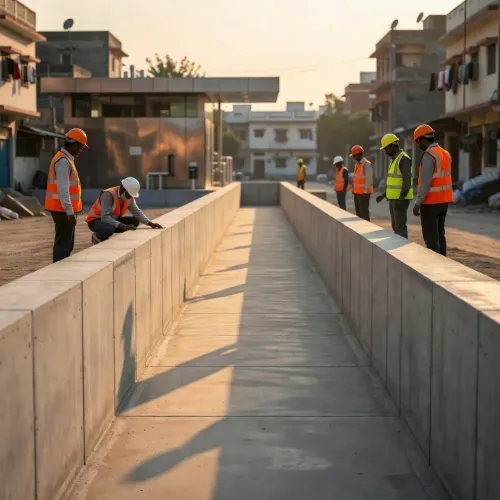
342 kilometres of new sewer lines to be laid under the project.
Approximately 45,000 household sewer connections will be established.
Two intermediate pumping stations of 27 MLD and 37.5 MLD capacity will be built.
An estimated 2.5 to 3 lakh people will directly benefit from improved sanitation and drainage.
Project aligns with national urban missions including AMRUT and Swachh Bharat , part of UP's sustained eastern-cities infrastructure push.
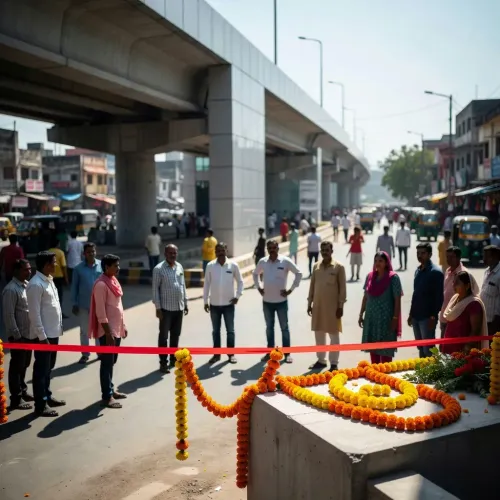
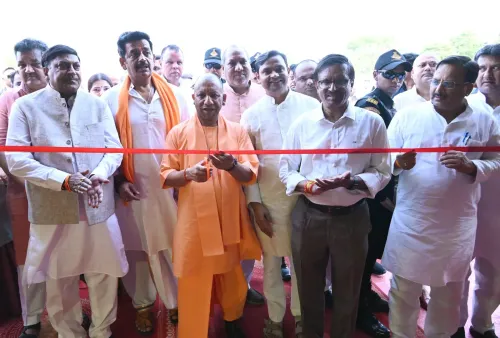
A city of over a million people is about to get a dramatically cleaner plumbing backbone. On Sunday, 1 November 2026, the Chief Minister's Office of Uttar Pradesh announced the foundation-laying of Phase 2 sewerage and drainage works for Gorakhpur — a ₹794 crore undertaking that promises to rewire the sanitation infrastructure of 17 catchment areas across the city.
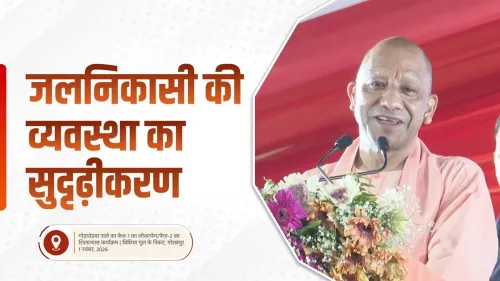
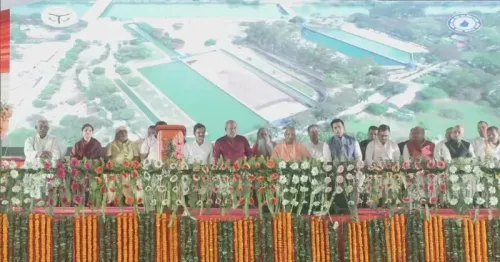
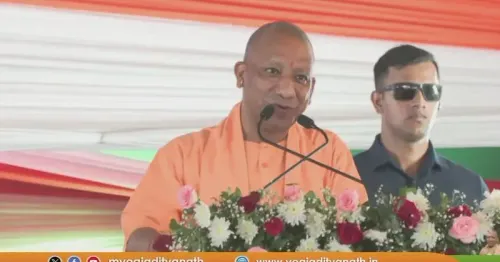
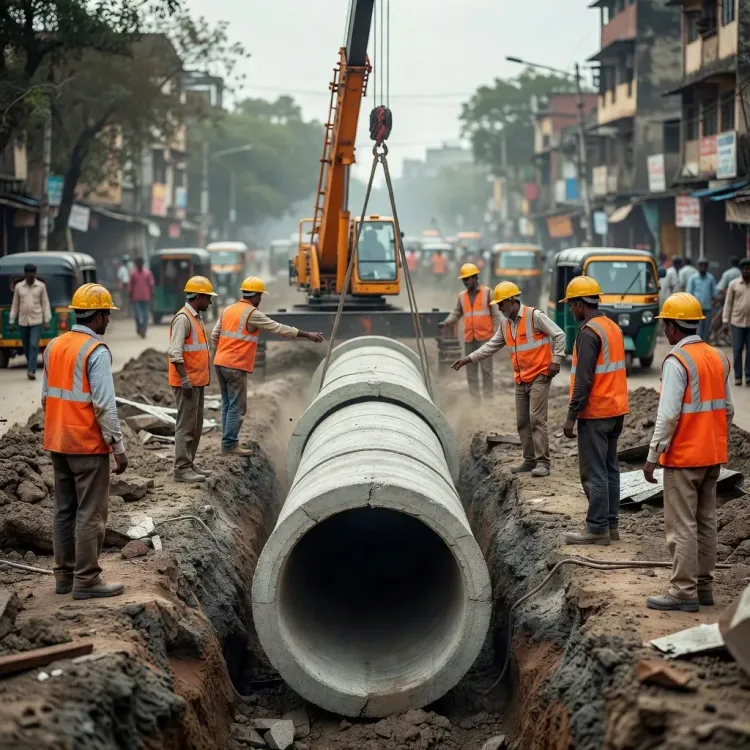
Chief Minister Yogi Adityanath, who represents Gorakhpur in the state legislature and has long championed the city's civic transformation, presided over the shilanayas (foundation-laying) ceremony. The CMO's post confirmed that the project will cover 342 kilometres of new sewer lines, approximately 45,000 household sewer connections, and two new intermediate pumping stations with capacities of 27 MLD and 37.5 MLD respectively.
What 342 km of Pipe Means for Gorakhpur's Households
The numbers are worth pausing on. Laid end to end, those sewer lines would stretch from Gorakhpur almost to Varanasi. But the figure that matters most to residents is 45,000 connections — the point where an abstract infrastructure project becomes a functioning toilet, a clean courtyard, a lane that no longer floods. The CMO estimates the project will benefit a population of roughly 2.5 to 3 lakh people.
The two intermediate pumping stations are the mechanical heart of the system. At 27 MLD and 37.5 MLD, they are designed to handle the daily wastewater load of the expanded network, preventing the backflow and waterlogging that has historically plagued low-lying pockets of eastern Uttar Pradesh during the monsoon season.
Phase 2 in Gorakhpur's Long Urban Overhaul
This is not Gorakhpur's first encounter with phased sewerage reform. The city has been part of Uttar Pradesh's sustained urban upgrade push — aligned with national missions including the Atal Mission for Rejuvenation and Urban Transformation (AMRUT), launched nationally in 2015, and the Swachh Bharat Mission. Both frameworks have channelled central and state funds into tier-2 cities in eastern UP to build trunk sewer lines, pumping infrastructure and household connectivity in designated zones.
Gorakhpur holds particular symbolic weight in this story. As CM Yogi Adityanath's political home and the site of the Gorakhnath Temple, the city has received visible attention under his administration. Phase 2 of this project deepens that investment — targeting not just trunk infrastructure but the 'last-mile' household connections that determine whether a sanitation scheme actually changes lives at street level.
What Comes Next for the 17 Catchment Zones
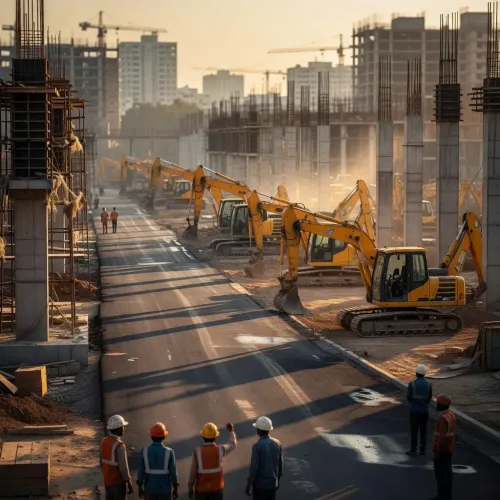
The immediate watch-point is execution. A 342-km sewer network across 17 catchment areas, combined with the construction of two pumping stations, is a significant civil-engineering undertaking in a dense urban environment. Progress on the household connection rollout — the 45,000 line items that convert infrastructure into direct civic benefit — will be the truest measure of Phase 2's impact.
There is also a larger environmental dimension quietly embedded in the project: improved sewerage in Gorakhpur feeds into the broader effort to reduce untreated wastewater discharge into the Rapti and Rohini river systems that run through the region. Better sewerage is, in that sense, also river-cleaning work. Whether Phase 2 is formally linked to any river-pollution abatement programme remains to be declared by the state government.
For a city that has waited long for infrastructure commensurate with its size, today's shilanayas is more than a ceremony. It is a ₹794 crore bet that Gorakhpur's next chapter smells — and drains — very differently.
Point of View
Delivering visible civic improvements in Gorakhpur, the Chief Minister's political base, reinforces a 'development-as-governance' narrative ahead of future electoral cycles. The alignment with AMRUT also demonstrates how state governments leverage central-scheme frameworks to amplify local spending and attract matching funds.
NationPress
1 Nov 2026
Frequently Asked Questions
What is the Gorakhpur sewerage Phase 2 project?
It is a ₹794 crore urban infrastructure project announced on 1 November 2026 to strengthen drainage and sewerage across 17 catchment areas in Gorakhpur, covering 342 km of sewer lines, around 45,000 household connections, and two intermediate pumping stations.
How many people will benefit from the Gorakhpur sewer project?
Approximately 2.5 to 3 lakh residents of Gorakhpur are expected to benefit from the improved sewerage and drainage network once Phase 2 works are completed.
What is AMRUT and how is it linked to Gorakhpur's sewerage work?
AMRUT — the Atal Mission for Rejuvenation and Urban Transformation — is a central government scheme launched in 2015 to fund sewerage, drainage, and urban utility upgrades in Indian cities. Gorakhpur's phased sewerage improvements are aligned with this national mission framework.
What are intermediate pumping stations and why do they matter?
Intermediate pumping stations are mechanical installations that push wastewater through a sewer network to prevent backflow and flooding. The Gorakhpur Phase 2 project includes two such stations with capacities of 27 MLD and 37.5 MLD to handle the expanded network's daily load.
Why is CM Yogi personally associated with Gorakhpur's development?
Chief Minister Yogi Adityanath represents Gorakhpur in the state legislature and is the head priest of the Gorakhnath Temple there. Since taking office in 2017, his administration has prioritised civic infrastructure upgrades in the city as part of a broader eastern UP development push.