Government Increases Food Safety Inspections to Over 56,000 in 3 Years
Synopsis
The Indian government has ramped up food safety checks, conducting over 56,000 risk-based inspections in just three years, marking a significant stride in ensuring compliance with food safety standards. This initiative aims to safeguard consumer health and enhance food quality nationwide.
Key Takeaways
56,000 risk-based inspections conducted in three years.
Over 100% increase in food safety checks.
Role of FSSAI in establishing food safety standards.
Deployment of 305 mobile testing laboratories .
Mandatory record-keeping for used cooking oil disposal.
New Delhi, March 13 (NationPress) The government has significantly enhanced its food safety enforcement nationwide, executing over 56,000 risk-based inspections in the past three years—a remarkable increase of over 100% since 2020—to ensure adherence to food safety regulations, as reported in Parliament on Friday.
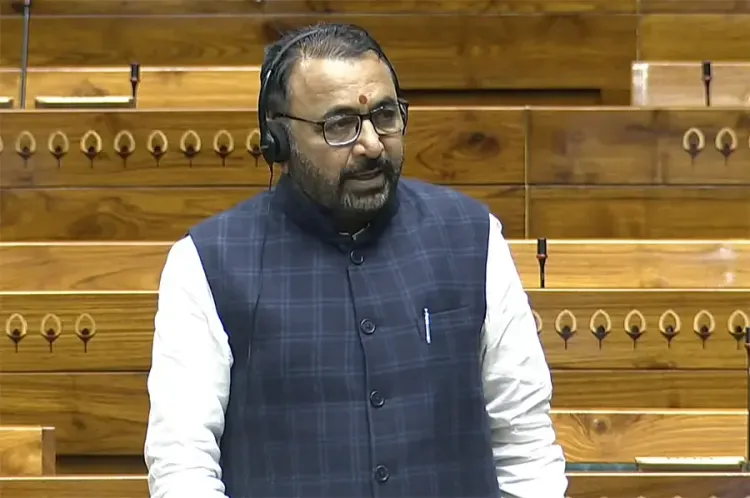
In response to a query in the Lok Sabha, the Union Minister of State for Health and Family Welfare, Prataprao Jadhav, stated that the Food Safety and Standards Authority of India (FSSAI) is tasked with establishing science-based standards for food items and overseeing their manufacturing, storage, distribution, sale, and import to guarantee safe and nutritious food for consumers.
The minister highlighted that 26,267 risk-based inspections were carried out in the fiscal year 2024-25 under the Risk Based Inspection System (RBIS), in contrast to 18,098 in 2023-24 and 11,904 in 2022-23.
The RBIS framework evaluates the necessity of inspections based on the risks tied to various food businesses, mandating annual inspections for high-risk food categories.
Moreover, the enforcement of the Food Safety and Standards Act, 2006 is a collaborative effort between the central and state governments, with State Food Safety Authorities primarily responsible for practical implementation.
At present, 2,997 Food Safety Officers and 668 Designated Officers are actively working across states and Union Territories to uphold food safety regulations.
The government has also bolstered the food testing infrastructure by certifying 252 food testing laboratories and 24 referral laboratories for food sample analysis and appellate testing.
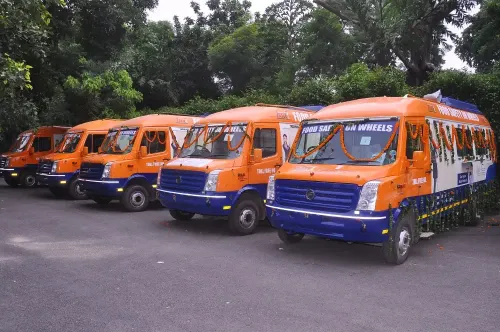
Additionally, 305 mobile food testing laboratories, referred to as "Food Safety on Wheels," have been deployed across 35 states and Union Territories to facilitate on-the-spot food product testing and combat adulteration.
The FSSAI has also mandated annual third-party audits for food business operators possessing central licenses and established the Food Safety and Standards (Labelling and Display) Regulations, 2020 to enhance transparency and consumer awareness through clear product labeling.
To mitigate the reuse of cooking oil, the regulator has stipulated that food business operators (FBOs) maintain records of used cooking oil (UCO) disposal if daily edible oil consumption for frying surpasses 50 litres, while vegetable oil with Total Polar Compounds exceeding 25% is prohibited for use.
Consumers are encouraged to file food safety complaints via the FSSAI grievance portal, email, or toll-free helpline, the minister added.
Point of View
The government's significant increase in food safety inspections reflects a serious commitment to public health and consumer safety. This proactive approach not only aims to enforce compliance with food standards but also fosters trust among consumers regarding the quality of food products available in the market.
NationPress
24 Sept 2026
Frequently Asked Questions
What is the purpose of the risk-based inspections?
The risk-based inspections aim to ensure compliance with food safety standards by evaluating the risks associated with different food businesses.
How many inspections were conducted in the last three years?
More than 56,000 risk-based inspections were conducted over the past three years.
What is the role of the FSSAI?
The FSSAI is responsible for establishing food safety standards and regulating the manufacture, storage, distribution, and sale of food products.
How can consumers report food safety issues?
Consumers can report food safety complaints through the FSSAI grievance portal, email, or toll-free helpline.
What measures are in place to prevent cooking oil reuse?
Food business operators must maintain records of used cooking oil disposal if their daily usage exceeds 50 litres.