Safdarjung Hospital records 135 Diwali burn cases in 2 days; child dies in Narela
Synopsis
Safdarjung Hospital recorded 135 Diwali burn cases in just two days — 129 from firecrackers, 35 of them children. The toll was sharpened by the death of a 10-year-old in Delhi's Narela, killed when an 'Anar' firecracker exploded against his chest. The numbers underscore a recurring, preventable public health failure every festive season.
Key Takeaways
Safdarjung Hospital treated 135 Diwali burn cases over 7–8 November 2026 .
129 of 135 injuries were firecracker-related; six involved burns from diyas.
35 children received OPD treatment for firecracker burns; one child was admitted.
Seven patients remain hospitalised; the hospital had pre-reserved 20 beds for Diwali cases.
A 10-year-old boy died in Delhi's Narela on 8 November after an 'Anar' firecracker exploded, causing chest injuries.
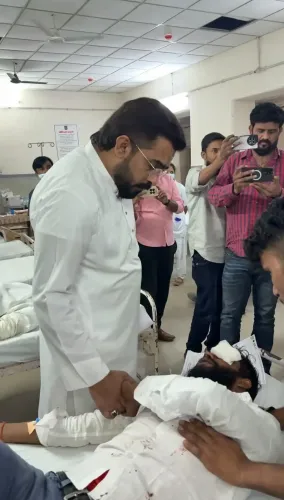
Safdarjung Hospital in New Delhi treated 135 Diwali-related burn injury cases at its Burns Emergency Department over 7 and 8 November 2026, hospital officials confirmed on Monday. Of the total, 129 cases were caused by firecracker injuries, while the remaining six involved burns from diyas.
Scale of Injuries Treated
Among those who sought emergency care, 35 children sustained firecracker-related burns and were treated on an outpatient basis at the hospital's OPD. One child required inpatient admission for further medical care. The hospital had pre-emptively reserved 20 beds for Diwali-related burn admissions, of which seven patients remain currently admitted, according to officials.
Child Dies After Firecracker Explosion in Narela
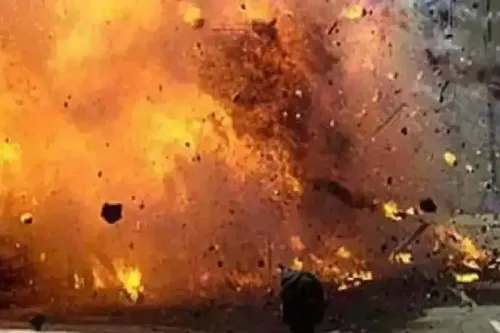
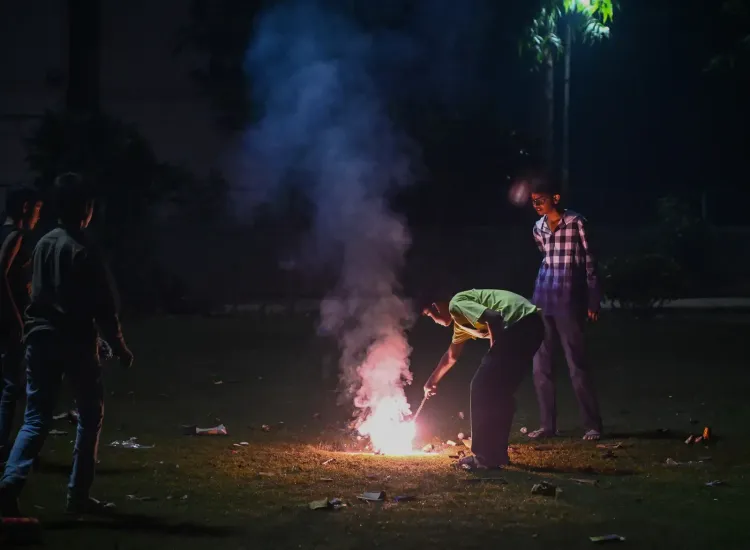
In a separate and fatal incident, a 10-year-old boy died after a firecracker exploded in his hand in Delhi's Narela area on the night of 8 November. According to Delhi Police, the child was bursting a flower-pot firecracker — commonly known as an 'Anar' — outside his house at approximately 9:45 pm when it suddenly exploded, causing severe injuries to his chest. He subsequently died from those injuries.
Hospital's Preparedness and Response
Vardhman Mahavir Medical College and Safdarjung Hospital had put contingency arrangements in place ahead of the festive period, anticipating a surge in burn-related admissions. Officials said the institution continues to provide appropriate medical attention to all affected patients. The hospital also reiterated the importance of public awareness, responsible celebrations, and strict adherence to safety precautions to prevent firecracker-related injuries.
A Recurring Concern Around Diwali
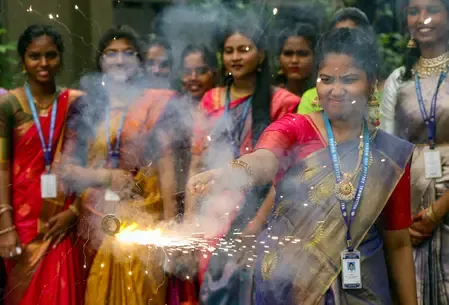
The incidents are consistent with a pattern seen across Indian hospitals every Diwali season, with burn units reporting significant spikes in emergency cases involving children. Fire incidents were also reported at multiple locations across the country over the festive period. Health officials and child safety advocates have repeatedly highlighted the heightened risk firecrackers pose to minors, particularly in the absence of adult supervision. This is not an isolated occurrence — hospitals in Delhi and other major cities routinely activate additional capacity in the days surrounding Diwali, underscoring a systemic public health challenge that persists year after year.
As the festive season concludes, attention is expected to turn to whether stricter enforcement of firecracker safety norms — including age restrictions and supervised sale protocols — can be meaningfully implemented ahead of next year's celebrations.
Point of View
Preventable crisis. Every Diwali, burn units across India brace for the same surge — and every year, children pay the heaviest price. The death of a 10-year-old in Narela from a flower-pot firecracker is not an anomaly; it is a data point in a years-long pattern. The question that rarely gets answered is why enforcement of age restrictions on firecracker use and sale remains so weak. Hospital preparedness is necessary but insufficient — 20 beds reserved is crisis management, not prevention. Until firecracker safety norms carry real enforcement teeth, these numbers will keep repeating.
NationPress
9 Nov 2026
Frequently Asked Questions
How many Diwali burn cases did Safdarjung Hospital treat?
Safdarjung Hospital's Burns Emergency Department treated 135 Diwali-related burn injury cases over 7 and 8 November 2026. Of these, 129 were caused by firecrackers and six by diyas.
How many children were injured in firecracker accidents at Safdarjung?
35 children sustained firecracker-related burns and were treated on an outpatient basis at the hospital's OPD. One child required inpatient admission for further care.
What happened to the child who died in Delhi's Narela?
A 10-year-old boy died after a flower-pot firecracker, known as an 'Anar', exploded while he was bursting it outside his house in Narela on the night of 8 November at around 9:45 pm. The explosion caused severe chest injuries that proved fatal, according to Delhi Police.
How prepared was Safdarjung Hospital for Diwali-related injuries?
The hospital had earmarked 20 beds specifically for Diwali-related burn admissions in anticipation of a festive-season surge. As of Monday, seven of those beds were occupied by patients with Diwali burn injuries.
What safety advice did the hospital issue?
Safdarjung Hospital urged public awareness, responsible celebrations, and strict adherence to safety precautions to prevent firecracker injuries, particularly emphasising the importance of protecting children from handling explosive items.