CM Sai Breaks Ground on ₹79.38 Cr Bagiya Barrage Irrigation Project
Synopsis
Chief Minister Vishnu Deo Sai on November 9, 2026 broke ground on the ₹79.38 crore Bagiya Barrage Pressurised Lift Irrigation Scheme in Jashpur, promising year-round water access to 8,454 hectares across 13 villages for over 3,921 farmers.
Key Takeaways
CM Vishnu Deo Sai performed the bhoomi pujan for the Bagiya Barrage Pressurised Lift Irrigation Scheme on November 9, 2026 .
Project cost is ₹79.38 crore , covering 13 villages in Jashpur district , northern Chhattisgarh.
More than 3,921 farmers will gain access to irrigation across 8,454 hectares of agricultural land.
The pressurised lift mechanism ensures water availability for both Rabi and Kharif crop seasons, ending single-season rain dependence.
The scheme aligns with the national Pradhan Mantri Krishi Sinchayee Yojana framework launched in 2015.
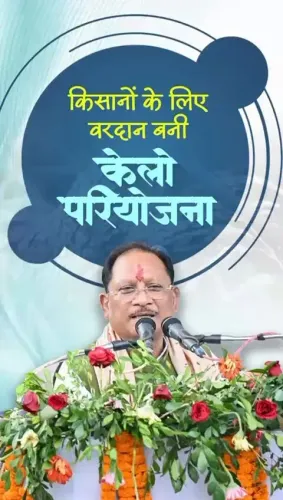
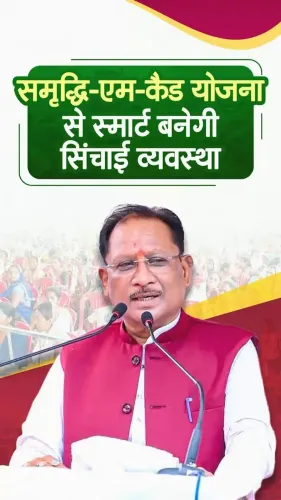
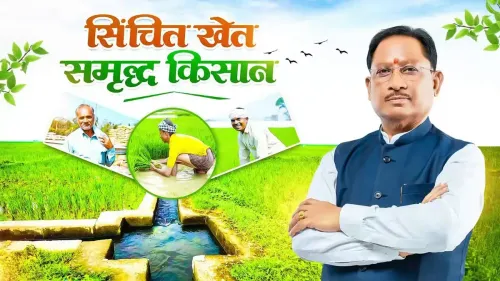
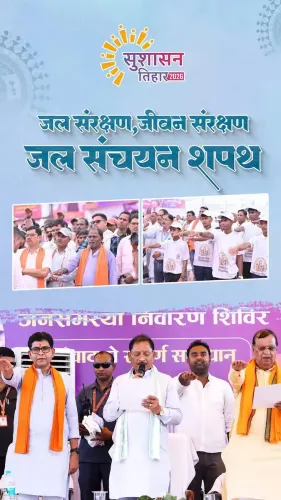
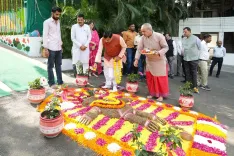
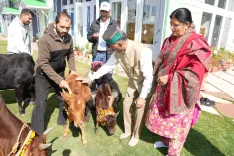
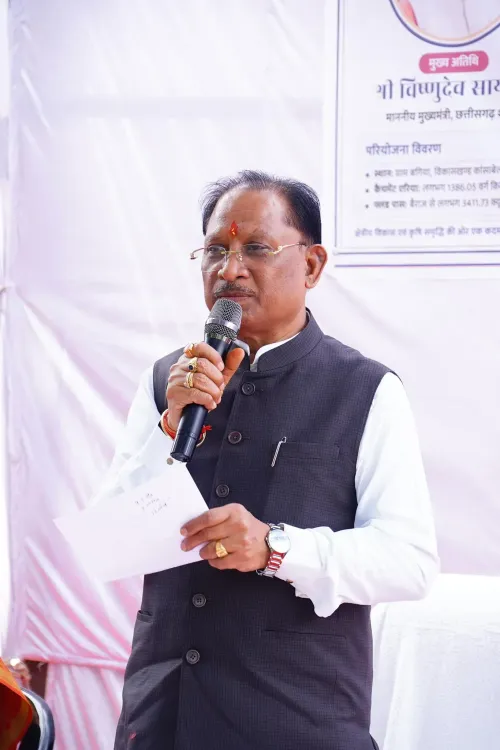
Water is about to reach fields that the monsoon has long failed to fill reliably. Chief Minister Vishnu Deo Sai on Monday, November 9, 2026 performed the bhoomi pujan (groundbreaking ceremony) for the Bagiya Barrage cum Pressurised Lift Irrigation Scheme at his camp office in Bagiya, Jashpur district — a ₹79.38 crore project designed to transform agriculture across one of Chhattisgarh's most rain-dependent tribal stretches.
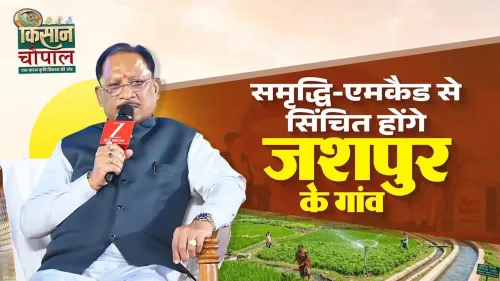
The scheme, announced by the Chief Minister's Office of Chhattisgarh, will bring irrigation facilities to 8,454 hectares of farmland spread across 13 villages, directly benefiting more than 3,921 farmers. Crucially, the pressurised lift mechanism means water availability will be secured for both Rabi (winter) and Kharif (monsoon) crop cycles — ending the near-total dependence on erratic rainfall that has historically capped farm incomes in the region.
Why Jashpur Needed This Project
Jashpur, tucked into northern Chhattisgarh and home to a substantial tribal population, has long run on rain-fed agriculture. When the monsoon underperforms, Kharif yields fall sharply; without assured water, Rabi sowing barely happens at all. That seasonal vulnerability is precisely the gap the Bagiya Barrage aims to plug.
Chhattisgarh governments across administrations have pursued a series of lift irrigation and minor irrigation schemes in tribal districts for this reason — building a patchwork of water infrastructure to reduce the structural risk monsoon dependency places on marginal and small farmers. The Bagiya project follows that established pattern, though its scale — covering 13 villages in a single stroke — gives it notable reach within the district.
Pressurised Lift Technology and What It Means for Farmers
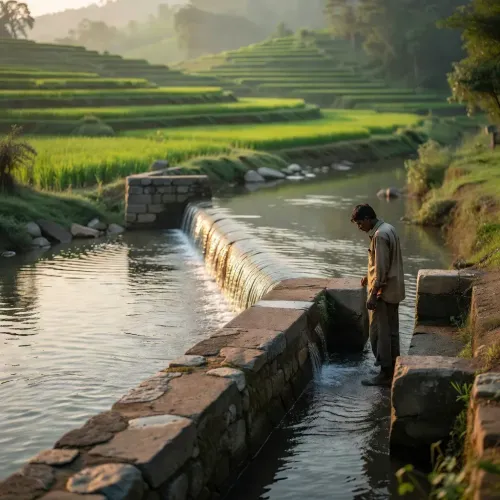
Standard barrage projects store and release water by gravity; a dabayukt udwahan (pressurised lift) system pumps water uphill to fields that gravity cannot reach, dramatically expanding the command area. For farmers on undulating terrain common to this belt of Chhattisgarh, that distinction is the difference between being inside or outside the irrigation map altogether.
The national policy tailwind is also real. The Pradhan Mantri Krishi Sinchayee Yojana, launched in 2015, set a nationwide mandate to expand irrigation coverage and improve water-use efficiency — a framework under which state-level projects like Bagiya draw both political momentum and, in some cases, funding support.
CM Sai's Agricultural Push in Tribal Chhattisgarh
Vishnu Deo Sai, who took charge as Chief Minister in December 2023, has flagged agricultural prosperity and tribal welfare as central planks of the BJP government in Chhattisgarh. The choice of Jashpur — his home district — for a high-visibility groundbreaking signals both administrative intent and political priority in a region where farming livelihoods still determine electoral outcomes.
When water reaches all 8,454 hectares on schedule, the downstream math is straightforward: two reliable cropping seasons instead of one uncertain one, higher yields, and more stable incomes for over 3,900 families. The real test, as always, is whether the infrastructure is delivered on time and maintained thereafter.
Point of View
And anchoring a flagship water project there merges administrative logic with electoral calculus. More broadly, the state's sustained push to extend lift irrigation into hilly tribal districts reflects a recognition that PMKSY's national mandate cannot be met without addressing terrain-specific access gaps. The genuine policy question hanging over this and similar projects is execution speed: Chhattisgarh's irrigation pipeline has historically seen delays between groundbreaking and operational delivery.
NationPress
9 Nov 2026
Frequently Asked Questions
What is the Bagiya Barrage Lift Irrigation Scheme in Jashpur?
It is a ₹79.38 crore state irrigation project in Jashpur district, Chhattisgarh, that combines a barrage with a pressurised lift system to supply water to 8,454 hectares of farmland across 13 villages for both Rabi and Kharif seasons.
How many farmers will benefit from the Bagiya Barrage project?
More than 3,921 farmers across 13 villages in Jashpur district are expected to benefit from the scheme once it becomes operational.
Who inaugurated the Bagiya Barrage Irrigation Scheme?
Chief Minister Vishnu Deo Sai performed the groundbreaking ceremony at his camp office in Bagiya, Jashpur on November 9, 2026.
What is a pressurised lift irrigation scheme?
A pressurised lift irrigation scheme pumps water uphill using mechanical pressure, enabling irrigation of fields on elevated or undulating terrain that gravity-fed canals cannot reach — significantly expanding the serviceable agricultural area.
How does this project connect to the Pradhan Mantri Krishi Sinchayee Yojana?
The Pradhan Mantri Krishi Sinchayee Yojana, launched in 2015, provides the national policy and funding framework for expanding irrigation coverage across India. State-level projects like the Bagiya Barrage scheme are part of the effort to meet that mandate at the district level.