CM Rekha Gupta: 16 IVP Councillors Merge into BJP
Synopsis
Delhi Chief Minister Rekha Gupta announced that 16 councillors of the Indraprastha Vikas Party have merged into the BJP, pledging unified effort toward Delhi's development under Prime Minister Narendra Modi's leadership. The move strengthens the BJP's presence in the Municipal Corporation of Delhi.
Key Takeaways
16 councillors of the Indraprastha Vikas Party (IVP) formally merged into the BJP on 10 July 2026 .
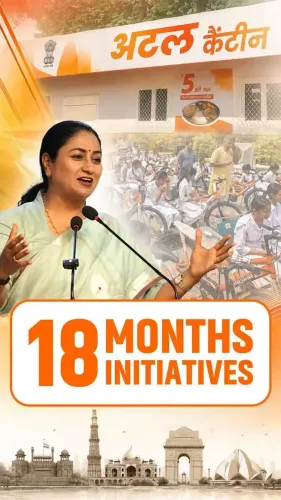
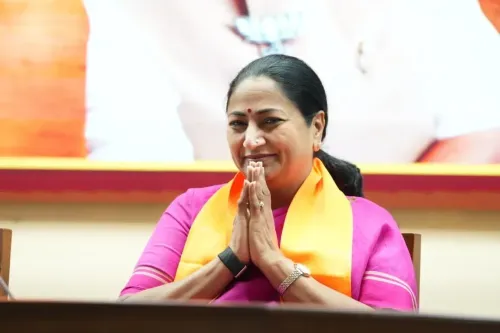
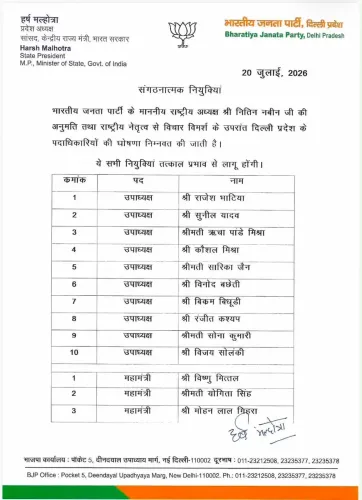
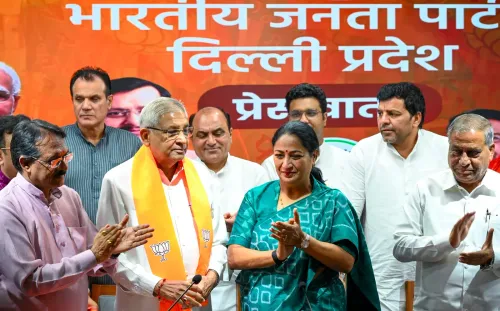
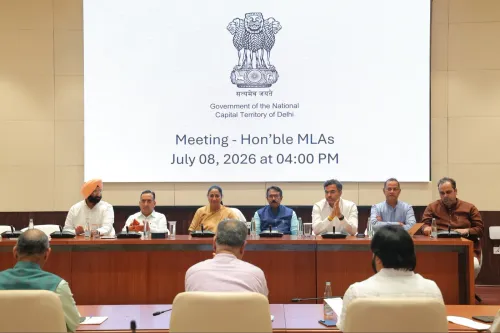
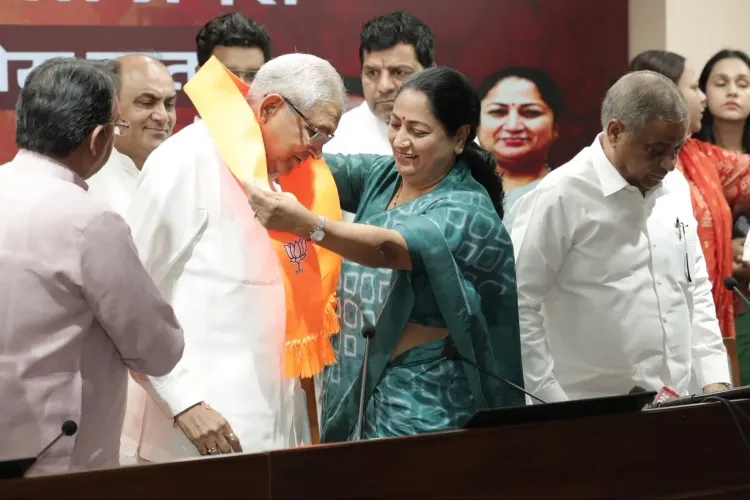
Delhi Chief Minister Rekha Gupta announced the merger via a post on X, accompanied by four photographs .
Gupta invoked Prime Minister Narendra Modi's leadership as the guiding vision for a 'developed Delhi.' The merger is expected to alter the numerical balance within the Municipal Corporation of Delhi (MCD) , affecting committee compositions and budget decisions.
The development fits a broader BJP pattern of absorbing smaller parties to consolidate municipal influence across Indian cities.
Delhi Chief Minister Rekha Gupta announced on Friday, 10 July 2026 that 16 councillors of the Indraprastha Vikas Party (IVP) have formally merged into the Bharatiya Janata Party (BJP), calling the development a fresh reinforcement of the commitment to Delhi's progress and public service.
In her post, Gupta stated: 'दिल्ली की प्रगति और जनसेवा के संकल्प को आज नई मजबूती मिली है' ('Today, the resolve for Delhi's progress and public service has received new strength'). She welcomed the councillors into the BJP family and pledged that the merged group would work as a unified team to realise the vision of a developed Delhi under the leadership of Prime Minister Narendra Modi.
Context
The Indraprastha Vikas Party is a Delhi-based political outfit whose 16 elected councillors have now formally joined the BJP. Gupta described the decision as one that will 'provide new momentum to the capital's development work.' The merger was accompanied by four photographs shared by the Chief Minister, visually documenting the occasion.
Gupta expressed that all parties involved are 'fully committed to fulfilling the hopes and aspirations of Delhi's residents and to continuously accelerating the pace of development through collective efforts.'
Policy Backdrop
The BJP has periodically absorbed smaller regional parties and independent councillors in Delhi and other states to consolidate its presence in municipal and legislative bodies — a pattern that has been visible since the 2014 general elections. Such consolidations are typically aimed at strengthening the party's influence over local bodies responsible for civic services and urban infrastructure.
The Municipal Corporation of Delhi (MCD) oversees a wide range of civic functions, from sanitation and road maintenance to local infrastructure projects. A stronger numerical presence in the MCD can shape committee compositions and influence budget allocations for urban development programmes.
Stakeholders and Impact
The immediate impact of the merger will be felt within the MCD, where the addition of 16 councillors to the BJP's existing strength alters the arithmetic of standing committees and ward-level governance. Delhi residents — particularly those in wards previously represented by IVP councillors — may see a shift in how local civic priorities are set and executed.
For the IVP councillors themselves, alignment with the national ruling party potentially opens access to larger administrative networks and central government schemes relevant to urban development.
What's Next
Political observers will watch how the merger translates into concrete outcomes in upcoming MCD sessions, particularly around committee reconstitutions and allocation of funds for infrastructure projects. The Chief Minister's framing of the merger as a step toward 'विकसित दिल्ली' (a developed Delhi) signals that the BJP intends to position this consolidation as a governance dividend rather than a purely political manoeuvre.
The development also sets the tone for how smaller Delhi-based parties may recalibrate their positioning ahead of future municipal and assembly electoral cycles.
Point of View
Which prioritises numerical dominance in local bodies as a foundation for executing urban development agendas. For CM Rekha Gupta, the announcement serves a dual purpose: it signals administrative momentum and reinforces her positioning as the executor of PM Modi's 'Viksit Delhi' vision. Such mergers, however, often draw scrutiny over whether they reflect genuine ideological alignment or are primarily driven by access to resources and political cover. The real test will lie in whether the merged bloc translates into measurable improvements in civic services for Delhi residents.
NationPress
9 Oct 2026
Frequently Asked Questions
Which party's councillors merged into the BJP in Delhi?
The 16 councillors of the Indraprastha Vikas Party (IVP) merged into the Bharatiya Janata Party (BJP), as announced by Delhi Chief Minister Rekha Gupta on 10 July 2026.
How many councillors joined the BJP from the Indraprastha Vikas Party?
16 councillors from the Indraprastha Vikas Party formally merged into the BJP.
What did Delhi CM Rekha Gupta say about the merger?
Rekha Gupta said the merger gives 'new strength' to the resolve for Delhi's progress and public service, and that the unified team will work to realise PM Modi's vision of a developed Delhi.
How does this merger affect the MCD?
The addition of 16 councillors to the BJP's strength in the Municipal Corporation of Delhi (MCD) is expected to shift the balance in standing committees and influence budget allocations for civic and infrastructure projects.
What is the Indraprastha Vikas Party?
The Indraprastha Vikas Party is a Delhi-based political party whose 16 elected councillors have now merged into the BJP, as announced by Chief Minister Rekha Gupta.