Two dead after herbal decoction for alcohol addiction in MP's Betul
Synopsis
In Betul's Pathakheda village, a herbal tree-bark decoction distributed for years as a folk cure for alcohol addiction has killed two people and hospitalised five more. Three persons are now in custody. The case exposes the deadly gap between rural demand for de-addiction help and the near-total absence of medical oversight over such preparations.
Key Takeaways
Two people died and five others fell ill after consuming a herbal decoction in Pathakheda village, Betul district, Madhya Pradesh on 19 November 2026 .
The preparation was reportedly made from tree bark and had been distributed in the village for several years as a folk remedy for alcohol addiction.
Three persons have been arrested and a case registered; police are investigating the decoction's ingredients and the circumstances of administration.
ASP Kamlesh Kumar Kharpuse confirmed the deaths and said the investigation is under way to establish the full chain of events.
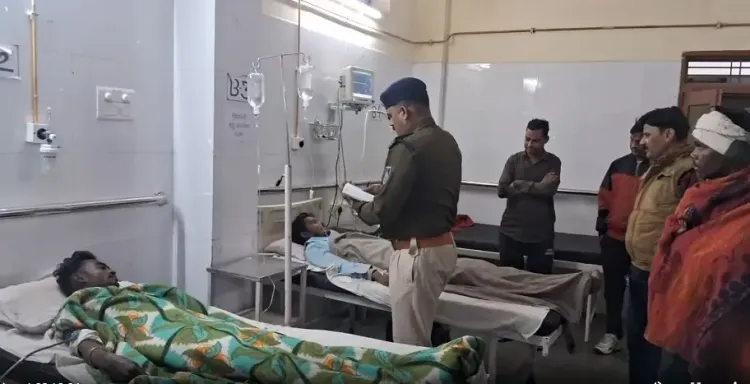
The five survivors were taken for medical treatment; their current condition had not been officially confirmed as stable as of the latest reports.
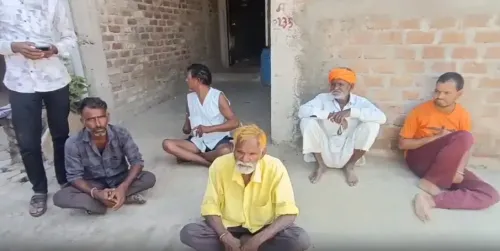
Two people died and five others fell seriously ill after consuming a herbal decoction distributed as a remedy for alcohol addiction in Pathakheda village, Betul district, Madhya Pradesh, police confirmed on Wednesday, 19 November 2026. The preparation, reportedly made from tree bark, had been given to residents seeking to quit alcohol for several years before the fatalities came to light.
What Happened in Pathakheda Village
The incident occurred under the limits of Chicholi police station in Betul district. Seven individuals consumed the herbal liquid, after which all of them developed health complications. Two of the seven died, while the remaining five were rushed for medical treatment. Police confirmed the decoction had been distributed in the village as a traditional cure for alcohol dependence over multiple years.
What the Police Said
Additional Superintendent of Police (ASP), Betul, Kamlesh Kumar Kharpuse, confirmed the deaths and provided details of the preparation. 'Two people died, and five others fell ill after consuming the herbal decoction distributed in Pathakheda village. The preparation was made using tree bark and was being given to people in the name of treating alcohol addiction,' Kharpuse said.
He added that the accused have been taken into custody and that a formal case has been registered. 'The investigation is underway to establish the circumstances leading to the deaths and illness of the other five people,' the ASP said.
Three Arrested, Investigation Under Way
Police have registered a case against three persons in connection with the incident and taken all of them into custody. Investigators are now examining the precise ingredients used in preparing the decoction and whether its consumption directly caused the deaths and health complications reported. The circumstances under which the liquid was administered — and by whom — are also under scrutiny.
Broader Risk of Unverified Herbal Remedies
The Betul incident highlights the dangers associated with consuming unverified or unlicensed herbal preparations, particularly those marketed as treatments for addiction. Alcohol de-addiction interventions in rural India often operate outside formal medical oversight, leaving vulnerable individuals exposed to preparations whose composition and safety have never been verified. This is not an isolated pattern — similar incidents involving toxic traditional remedies have been documented across central and western India in recent years.
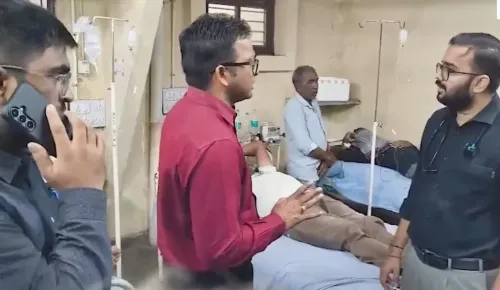
The five individuals who fell ill remain under medical care, and their condition had not been confirmed as stable as of the latest reports. Further investigation is under way.
Point of View
Yet formal de-addiction services remain scarce and often inaccessible. That vacuum is reliably filled by unverified folk remedies — some harmless, some lethal. The Betul case is not an anomaly; it is a recurring pattern that health authorities and district administrations have repeatedly failed to address with preventive regulation. Arresting the distributors deals with the immediate legal question, but it does nothing to close the gap that made this preparation viable in the first place. Until licensed, affordable de-addiction support reaches villages like Pathakheda, demand will keep flowing toward whatever is available — however dangerous.
NationPress
19 Nov 2026
Frequently Asked Questions
What happened in Betul's Pathakheda village on 19 November 2026?
Two people died and five others fell ill after consuming a herbal decoction made from tree bark that was being distributed in Pathakheda village, Betul district, Madhya Pradesh, as a traditional remedy for alcohol addiction. Police confirmed the incident and registered a case against three persons.
Who has been arrested in the Betul herbal decoction case?
Police have arrested three persons in connection with the case and taken them into custody. Additional Superintendent of Police Kamlesh Kumar Kharpuse confirmed the arrests and said the investigation is under way to establish the full circumstances of the deaths and illnesses.
What was the herbal decoction made of?
According to police, the preparation was made using tree bark. It had reportedly been distributed in Pathakheda village for several years as a folk cure for alcohol addiction. Investigators are now examining the exact ingredients and whether the decoction directly caused the two deaths.
What is the condition of the five survivors?
The five people who fell ill after consuming the decoction were taken for medical treatment. Their condition had not been officially confirmed as stable as of the latest police update, and they remain under medical care.
Why are unverified herbal remedies a risk in rural India?
Alcohol de-addiction support in many rural areas operates outside formal medical oversight, creating demand for unlicensed traditional preparations whose safety and composition are unverified. Similar incidents involving toxic folk remedies have been documented across central and western India, underscoring a persistent public health gap.