How Has the Nasha Mukt Bharat Abhiyaan Impacted 25 Crore Indians Against Drug Abuse?
Synopsis
The Nasha Mukt Bharat Abhiyaan has successfully created awareness among nearly 25 crore Indians regarding drug abuse. With the campaign extending to all districts, it aims to reach educational institutions and youth across the nation. Discover how this initiative is making a significant impact in the fight against substance abuse.
Key Takeaways
25 crore individuals educated about drug abuse under NMBA.
Campaign expanded to all districts in India.
Focus on schools and universities to drive awareness.
Over 4.3 lakh calls received on the helpline for addiction support.
Financial assistance for rehabilitation facilities provided by the government.
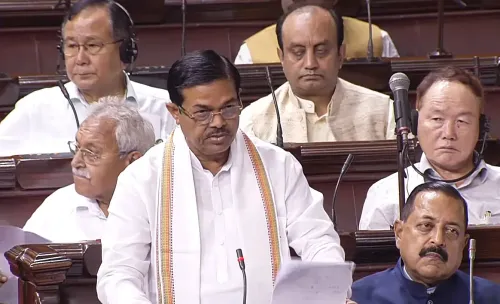
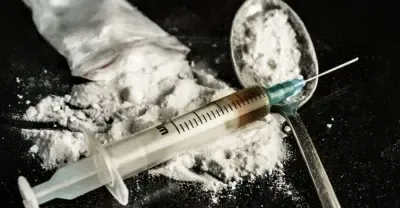
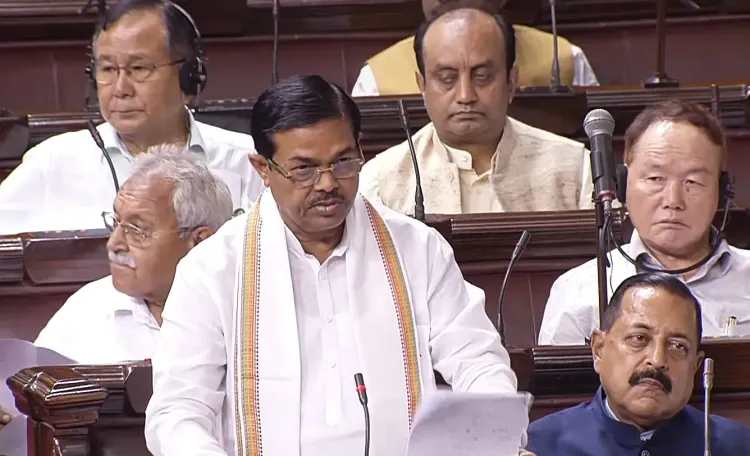
New Delhi, Dec 2 (NationPress) The government announced in Parliament that approximately 25 crore Indians have been made aware of the dangers of drug abuse through the Nasha Mukt Bharat Abhiyaan (NMBA). Initiated by the Department of Social Justice and Empowerment in 2020, this initiative aims to combat the alarming rise in drug addiction across 272 of the country’s most vulnerable districts.
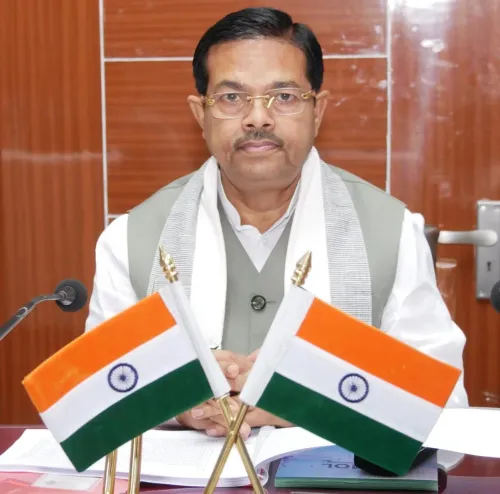
According to Union Minister of State for Social Justice and Empowerment, B.L. Verma, the NMBA has now expanded to encompass all districts nationwide.
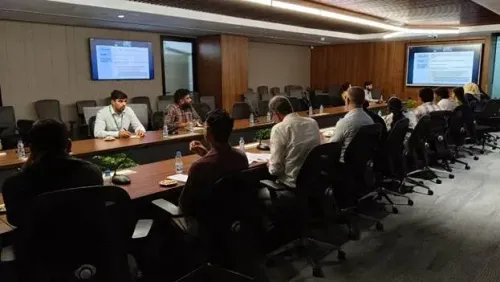
This national campaign is designed to engage the public and promote awareness regarding substance use, particularly emphasizing educational institutions, university campuses, and schools.
“As of now, through various on-ground activities, over 24.9 crore individuals have been educated on substance use, including more than 8.7 crore youth and 6.0 crore women,” Verma stated.
The participation of over 12.15 lakh educational institutions has played a crucial role in disseminating the campaign's message to children and youth across the nation.
The Ministry of Social Justice and Empowerment serves as the primary agency responsible for drug demand reduction in India.
To address substance use issues, the Department of Social Justice and Empowerment is executing the National Action Plan for Drug Demand Reduction (NAPDDR), a centrally sponsored initiative.
This program offers financial support to states, NGOs, and government hospitals for Addiction Treatment Facilities (ATFs) and Integrated Rehabilitation Centres for Addicts.
Under the NAPDDR framework, 349 Integrated Rehabilitation Centres for Addicts (IRCAs) and 45 community-based peer-led intervention (cpLI) programs aimed at children under 18 have been established to raise awareness against drugs.
Additional initiatives include 76 outreach and drop-in centers (oDICs), 154 Addiction Treatment Facilities in government hospitals, and 139 District De-Addiction Centers.
Moreover, the department has set up a toll-free helpline for de-addiction at 14446, providing primary counseling and immediate referral services to those seeking assistance.
“To date, we have received over 4.3 lakh calls on this helpline,” Verma confirmed.
Point of View
The Nasha Mukt Bharat Abhiyaan represents a crucial step towards combating the drug crisis in India. This initiative not only aims to create awareness but also fosters community involvement, making it a comprehensive approach to addressing substance abuse issues across the nation.
NationPress
19 Sept 2026
Frequently Asked Questions
What is the Nasha Mukt Bharat Abhiyaan?
The Nasha Mukt Bharat Abhiyaan (NMBA) is a government initiative launched to combat drug addiction and promote awareness about substance abuse across India.
How many individuals have been sensitized under NMBA?
Approximately 25 crore Indians have been sensitized about drug abuse through the NMBA.
What age groups is the NMBA targeting?
The NMBA focuses on reaching youth, with specific initiatives aimed at schools and universities.
What support does the government provide under NMBA?
The government provides financial assistance for Addiction Treatment Facilities and has established numerous rehabilitation centers to support individuals battling addiction.
Is there a helpline for addiction support?
Yes, the NMBA has set up a toll-free helpline at 14446, offering primary counseling and referral services for those seeking help.