27 Maoists surrender in Jharkhand in state's biggest-ever mass laying down of arms
Synopsis
Jharkhand recorded its largest-ever mass Maoist surrender on 21 May as 27 cadres — including seven sub-zonal commanders and eight bounty-carrying hardcore members — laid down arms in Ranchi, handing over an LMG, four INSAS rifles, and nearly 3,000 live cartridges. The group was collectively linked to 426 serious criminal cases, making this far more than a symbolic gesture.
Key Takeaways
27 Maoists surrendered on 21 May 2025 in Ranchi — the largest mass surrender in Jharkhand's history.
The group included 7 sub-zonal commanders , 7 area commanders , and 13 active cadres of CPI (Maoist) , plus 2 JJMP members.
Eight surrendered cadres carried cash bounties ranging from ₹1 lakh to ₹5 lakh .
The surrendered extremists were collectively linked to 426 serious criminal cases including murder, extortion, and attacks on security forces.
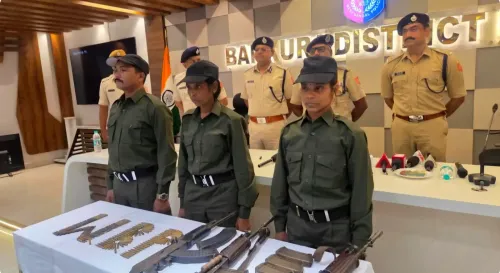
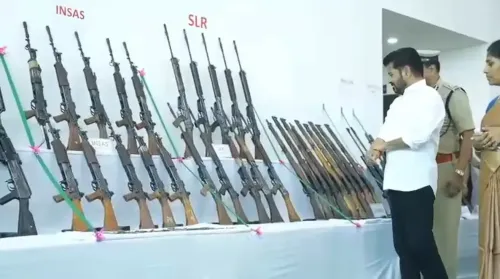
Weapons handed over included one LMG INSAS , four INSAS rifles , nine SLRs , and 2,987 live cartridges .
All 27 are eligible for financial assistance and rehabilitation under the Jharkhand government's surrender policy.
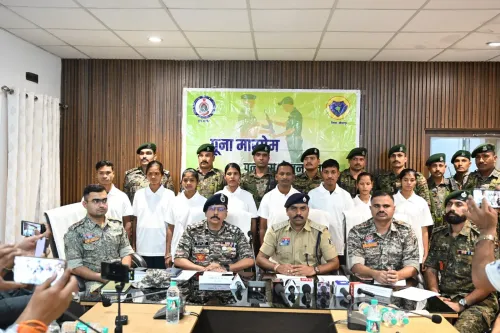
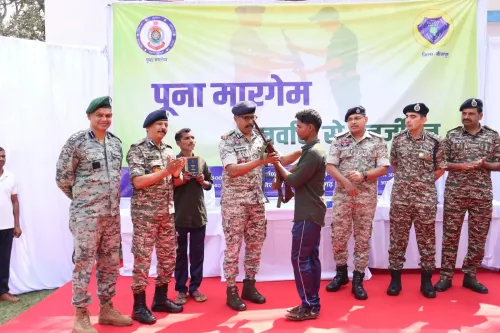
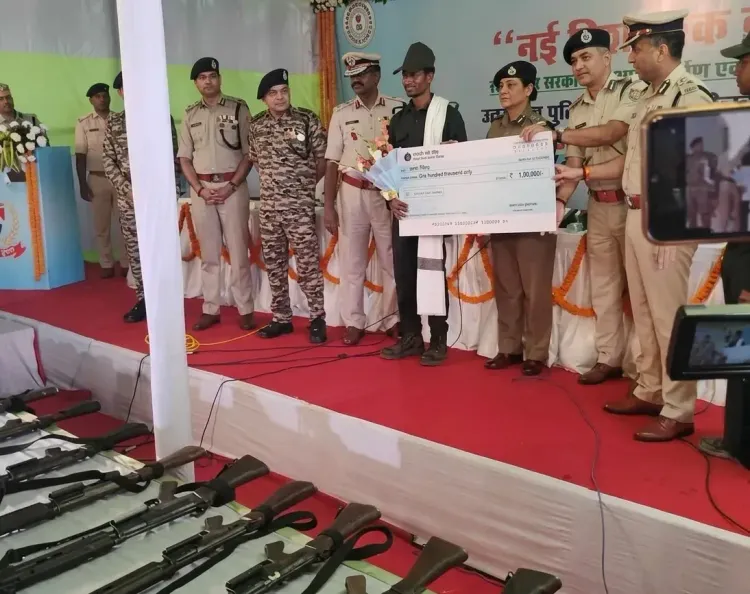
In the largest collective surrender in Jharkhand's history, 27 Maoists laid down their arms before security forces on Thursday, 21 May at the police headquarters in Ranchi, marking a significant breakthrough in the state's decades-long battle against Left-Wing Extremism. The group included cadres from the CPI (Maoist) as well as members of the banned Jharkhand Jan Mukti Parishad (JJMP).
Who Surrendered and Where They Operated
Of the 27 who surrendered, 25 were active Maoists operating in the Saranda and Kolhan regions of West Singhbhum district, with the remaining two being members of the JJMP. The surrendered cadres comprised seven sub-zonal commanders, seven area commanders, and 13 active cadres of the CPI (Maoist) — pointing to a significant disruption of the outfit's command structure in the region.
Among the key figures who returned to the mainstream were Gadi Munda alias Gulshan, Nagendra Munda alias Prabhat Munda, Rekha Munda alias Jayanti, Sagen Angaria alias Dokol, Suleman Hansda alias Suni Hansda, and JJMP member Sachin Bek. Women cadres who surrendered included Vandana alias Shanti, Sunita Sardar, Sapna alias Suru Kalundia, and Anisha Koda alias Rani.
Bounty Carriers and Criminal Cases
Eight of the surrendered individuals were classified as hardcore Maoists carrying police-declared cash rewards. Six cadres had a bounty of ₹5 lakh each, one carried a reward of ₹2 lakh, and a woman cadre had a reward of ₹1 lakh on her head. Collectively, the surrendered extremists were reportedly involved in 426 serious criminal cases across multiple police stations in the state, including charges of murder, attacks on security forces, extortion, and explosions.
Arms Cache Handed Over
Along with their surrender, the cadres deposited a substantial cache of weapons and equipment. The haul included one LMG INSAS, four INSAS rifles, nine SLRs, one bolt-action rifle, one pistol, 31 magazines, 2,987 live cartridges, and eight walkie-talkies. Officials noted that additional financial incentives would be provided to those who deposited weapons under the state's rehabilitation framework.
Government Policy and Senior Officials Present
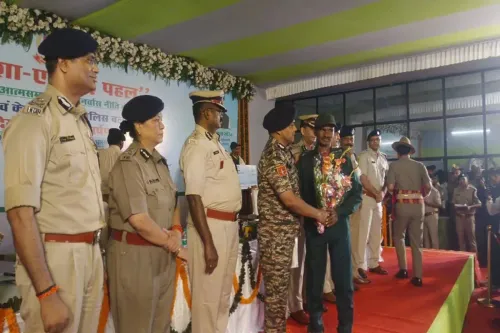
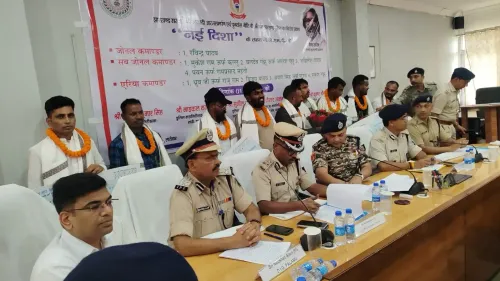
Director General of Police Tadasha Mishra presided over the surrender ceremony alongside senior officials of the police department and the Central Reserve Police Force (CRPF). Officials attributed the breakthrough to sustained security operations and the Jharkhand government's surrender and rehabilitation policy, which offers financial assistance and reintegration support to those who renounce violence. Senior officers present included IG Pankaj Kamboj, IG Prabhat Kumar, IG Sunil Bansal, SSP Rakesh Ranjan, and several other district and range-level officers.
What Comes Next
All 27 surrendered extremists are entitled to financial assistance and rehabilitation benefits under the existing state policy. This surrender comes amid a broader national push to dismantle Maoist networks, with security forces reporting a sharp decline in Maoist-affected districts over the past two years. Whether this mass surrender accelerates further defections in the Saranda forest belt — long considered a Maoist stronghold — will be closely watched in the weeks ahead.
Point of View
Not merely a fringe defection. What makes it strategically significant is the arms cache: nearly 3,000 live rounds and an LMG are not the weapons of demoralised foot soldiers. The Jharkhand government's rehabilitation policy deserves scrutiny too — past such policies in other states have struggled with reintegration follow-through, and the real measure of success will be whether these 27 individuals remain out of the movement five years from now, not just five days.
NationPress
7 Oct 2026
Frequently Asked Questions
How many Maoists surrendered in Jharkhand on 21 May 2025?
27 Maoists surrendered on 21 May 2025 at the police headquarters in Ranchi — the largest collective surrender in Jharkhand's history. The group included cadres from CPI (Maoist) active in the Saranda and Kolhan regions, as well as two members of the banned Jharkhand Jan Mukti Parishad.
What weapons were handed over during the Jharkhand Maoist surrender?
The surrendered cadres deposited one LMG INSAS, four INSAS rifles, nine SLRs, a bolt-action rifle, a pistol, 31 magazines, 2,987 live cartridges, and eight walkie-talkies. Officials said additional financial incentives would be provided for the deposit of weapons under the state rehabilitation policy.
What criminal cases are the surrendered Maoists linked to?
According to police, the 27 surrendered extremists were collectively involved in 426 serious cases across various police stations in Jharkhand. The charges include murder, attacks on security forces, extortion, explosions, and other armed activities.
What rehabilitation benefits will the surrendered Maoists receive?
Under the Jharkhand government's surrender and rehabilitation policy, all 27 surrendered individuals are entitled to financial assistance and reintegration support. Additional incentives are also provided for depositing weapons, according to officials.
Who were the key Maoists among those who surrendered in Jharkhand?
Key figures include Gadi Munda alias Gulshan, Nagendra Munda alias Prabhat Munda, Rekha Munda alias Jayanti, Sagen Angaria alias Dokol, Suleman Hansda alias Suni Hansda, and JJMP member Sachin Bek. The group also included several women cadres such as Vandana alias Shanti and Anisha Koda alias Rani.