Eight Maoists including five women surrender in Bijapur, Chhattisgarh
Synopsis
Eight CPI (Maoist) cadres — including five women and functionaries from the Saranda Sub-Zonal and Kolhan Area committees — surrendered in Bijapur on 29 July, drawn out by rehabilitation incentives and mounting security pressure. With a combined reward of ₹49 lakh on the group, the surrender reflects both the policy's pull and the organisation's weakening grip in Jharkhand.
Key Takeaways
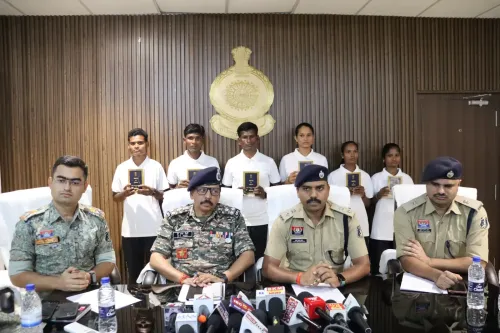
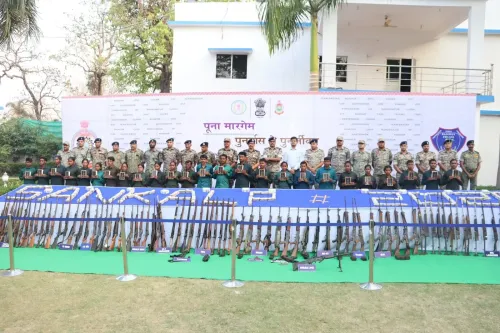
Eight CPI (Maoist) cadres , including five women , surrendered before Bijapur Police on 29 July 2025 .
The group carried a combined reward of ₹49 lakh ; individual rewards ranged from ₹5 lakh to ₹8 lakh .
The surrender was facilitated jointly by Bijapur Police , Jharkhand Police , and the CRPF .
Cadres cited the Chhattisgarh Naxal Surrender and Rehabilitation Policy , security pressure, and disillusionment with Maoist ideology as key reasons.
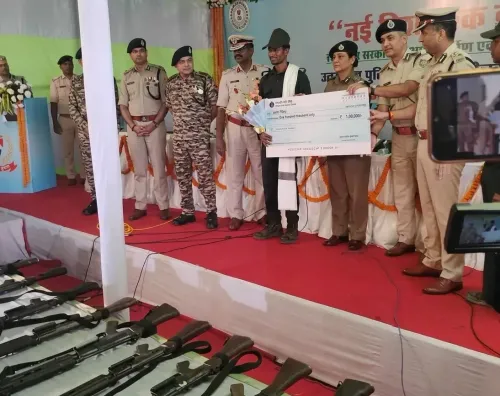
All eight will receive financial aid, housing, skill training, and employment support under the state rehabilitation framework.
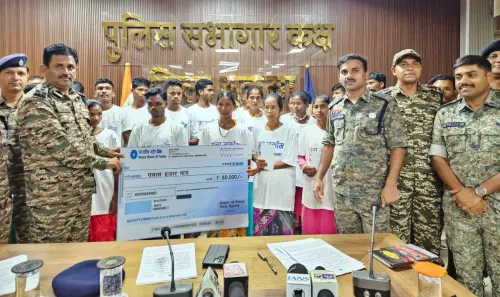
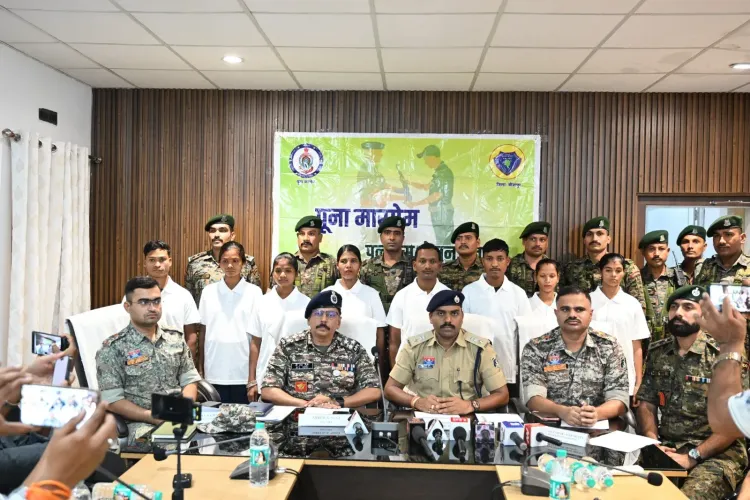
Eight CPI (Maoist) cadres who were active in Jharkhand, including five women, surrendered before the Bijapur Police on Wednesday, 29 July, renouncing armed violence and opting to reintegrate into mainstream society. A combined reward of ₹49 lakh had been announced for the group, which operated across multiple Maoist committees in the Jharkhand region.
Who Surrendered
The eight cadres include senior and mid-level functionaries: Ashwin alias Lachhu (30), a District/Zonal Committee Member of the South Zonal Committee (Jharkhand), carried a reward of ₹8 lakh; Ranga alias Sohan (30), Saranda Sub-Zonal Committee member, also with a ₹8 lakh reward; and Doba Madvi alias Rahat (25), another Saranda sub-zonal member, likewise rewarded at ₹8 lakh. The remaining five — Fagni Poyam alias Rajni (28), Suraj Munni Champia alias Subani (25), Hidme Kadti alias Rita (27), Budhari Kunjam alias Anusha (25), and Salami Champiya alias Jilani (20) — were members of the Kolhan Area Committee or ERB Squad, each carrying a reward of ₹5 lakh. Most of the cadres hail from Bijapur and neighbouring districts of Chhattisgarh, though they had been deployed in various parts of Jharkhand.
What Drove the Surrender
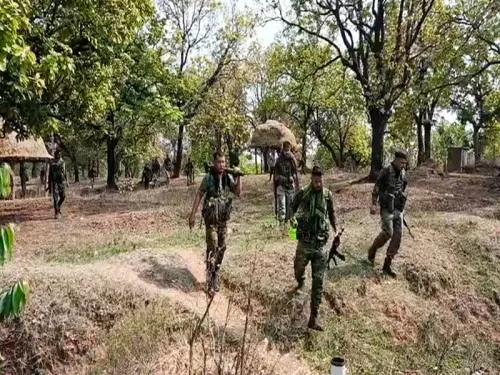
According to authorities, several converging factors prompted the group's decision. The Chhattisgarh government's Naxal Surrender and Rehabilitation Policy, ongoing skill development initiatives in Bijapur district, and positive accounts from former cadres who have been successfully rehabilitated played a significant role. The growing operational pressure from security forces, the organisation's weakening internal position, disillusionment with its violent ideology, and visible development in tribal areas were also cited as motivating factors.
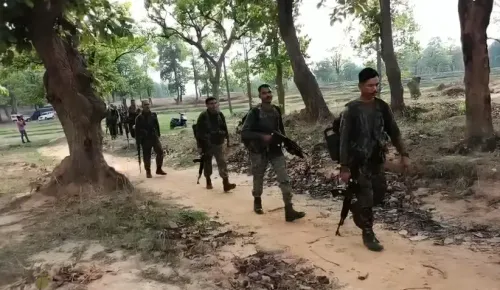
The surrender was facilitated through close coordination between the Bijapur Police, the Jharkhand Police, and the Central Reserve Police Force (CRPF). Authorities described the trust-building and sensitive approach adopted by the three forces as central to the operation's success.
Rehabilitation Benefits
Under the state's Naxal Surrender and Rehabilitation Policy, all eight former cadres are entitled to financial assistance, skill development training, housing, education support, and opportunities for self-employment or formal employment. The district administration and police have committed to providing continuous guidance to ensure their dignified reintegration into society.
Significance of the Surrender
This surrender is notable not only for the number of cadres involved but also for the seniority of some of the functionaries. Officials described it as a demonstration of the effectiveness of the government's rehabilitation outreach and the sustained pressure being applied by security forces across the Maoist corridor. This comes amid a broader decline in Maoist influence across central India, with surrenders and security operations having reduced the organisation's active strength considerably over the past several years. How effectively the state delivers on its rehabilitation commitments will determine whether these cadres' reintegration serves as a lasting signal to others still in the ranks.
Point of View
But the deeper test lies in what follows. Rehabilitation policies in Maoist-affected states have historically struggled with follow-through — financial assistance delayed, skill training tokenistic, and social stigma unaddressed. With five women among the eight, there is also a gender dimension that demands specific support structures, not just generic policy templates. The organisation's weakening is real, but converting surrenders into durable reintegration requires administrative capacity that district-level machinery in Bijapur has not always demonstrated. The government would do well to treat this as a monitoring challenge, not just a communication victory.
NationPress
28 Oct 2026
Frequently Asked Questions
How many Maoists surrendered in Bijapur on 29 July 2025?
Eight CPI (Maoist) cadres surrendered before the Bijapur Police on 29 July 2025, including five women. The group had been active in various parts of Jharkhand and carried a combined reward of ₹49 lakh.
What rewards were announced for the surrendering Maoists?
A combined reward of ₹49 lakh was announced for the group. Senior functionaries such as Ashwin alias Lachhu, Ranga alias Sohan, and Doba Madvi alias Rahat each carried a reward of ₹8 lakh, while the remaining five carried ₹5 lakh each.
Why did these Maoist cadres choose to surrender?
According to authorities, the cadres were influenced by the Chhattisgarh government's Naxal Surrender and Rehabilitation Policy, successful rehabilitation stories of former cadres, growing security force pressure, the organisation's weakening position, and visible development in tribal areas.
What rehabilitation benefits will the surrendered cadres receive?
Under the Chhattisgarh Naxal Surrender and Rehabilitation Policy, all eight cadres are entitled to financial assistance, housing, skill development training, education support, and self-employment or job opportunities. The district administration will provide ongoing guidance for their reintegration.
Which security forces were involved in the surrender operation?
The surrender was facilitated through coordinated efforts by the Bijapur Police, the Jharkhand Police, and the Central Reserve Police Force (CRPF). Authorities credited trust-building and a sensitive operational approach for the outcome.