Six Odisha Maoist cadres with ₹35 lakh reward surrender in Bijapur
Synopsis
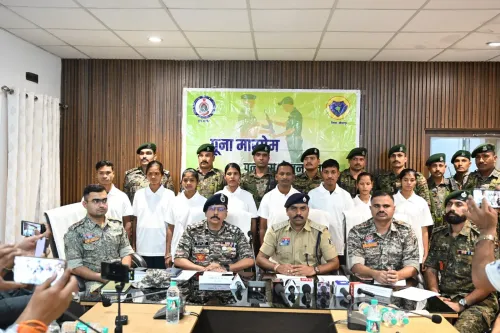
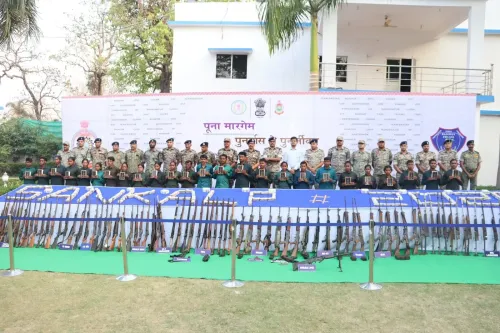
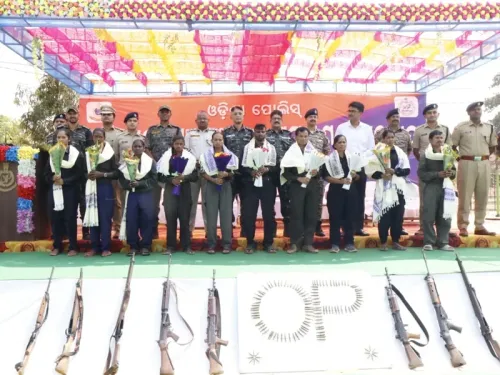
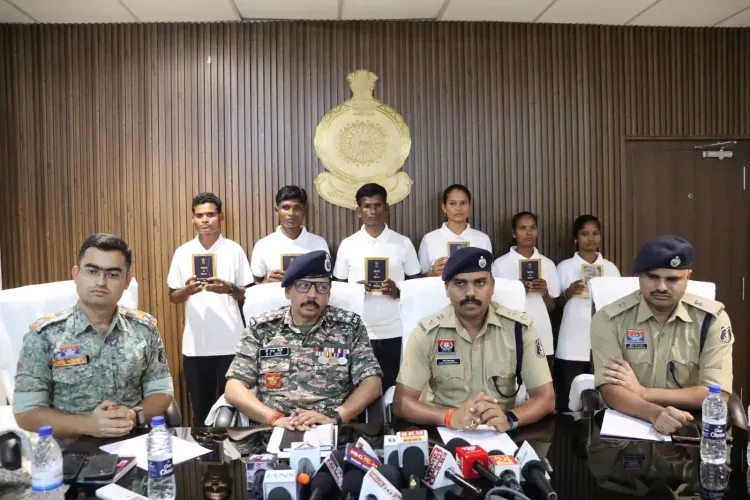
Six Maoist cadres from Odisha State Company formations, carrying a combined reward of ₹35 lakh, surrendered to Bijapur Police on 12 October — the latest sign of accelerating organisational collapse in Bastar-linked Maoist units. Their stated reasons: internal disintegration, disillusionment, and the pull of a credible rehabilitation offer.
Key Takeaways
Six Maoist cadres with a combined reward of ₹35 lakh surrendered before Bijapur Police in Chhattisgarh on 12 October 2026 .
The group included four PPCM-rank cadres from Odisha State Company formations and two Party Members from the West Bastar Division .
Individual rewards ranged from ₹1 lakh to ₹8 lakh per cadre.
Key reasons cited: organisational disintegration , disillusionment with Maoist ideology, and successful rehabilitation of former cadres.
Coordination between DRG Bijapur , 170th Battalion CRPF , and Bijapur Police was described as decisive.
All six will receive benefits under the Chhattisgarh Naxal Surrender and Rehabilitation Policy , including housing, skill training, and employment support.
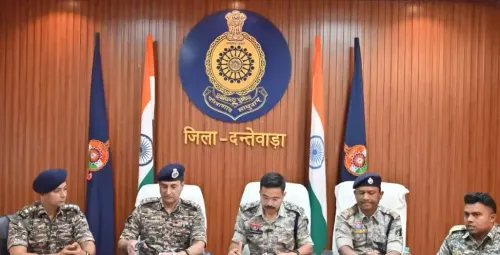
Six Maoist cadres carrying a combined reward of ₹35 lakh surrendered before the Bijapur Police in Chhattisgarh on 12 October 2026, marking a notable outcome for ongoing anti-Naxal operations in the region. The group included four cadres active with Odisha State Company formations and two who had previously fled the West Bastar Division organisation.
Who Surrendered and What They Carried
The six comprised four Party Political Cadre Members (PPCM) and two Party Members (PM). The surrendered individuals, along with their designations and individual rewards, are:
Rani Sodhi alias Sandhya (30), PPCM of Odisha State Company No. 8, reward ₹8 lakh; Pando Podium alias Sasmita (28), PPCM of Odisha State Company No. 8, reward ₹8 lakh; Sukku Kudiyam alias Santosh (27), PPCM and former security guard of an Odisha State Central Committee Member, Ganesh Uika, reward ₹8 lakh; Kosa Madvi alias Satish (30), PPCM and A-Section Commander of Company No. 2, reward ₹8 lakh; Deve Madkam alias Janni (22), PM and security guard of Odisha State Special Zonal Committee Member Jagdish Irpa, reward ₹2 lakh; and Lalu Tati (25), PM of the Gangalur Area Committee, reward ₹1 lakh.
Why They Chose to Surrender
According to officials, the cadres cited several factors behind their decision to abandon the path of violence: the growing operational footprint of security forces, internal organisational disintegration within Maoist ranks, deep disillusionment with the movement's violent and anti-people ideology, the visible success of previously rehabilitated cadres, and rapid infrastructure development in tribal areas of Bijapur district.
The Chhattisgarh government's Naxal Surrender and Rehabilitation Policy, combined with continuous anti-Naxal operations and outreach efforts, is credited with influencing their decision. Notably, this surrender reflects a pattern of accelerating defections from Odisha-linked Maoist units over recent months as security forces tighten their operational grip on Bastar.
Role of Security Forces
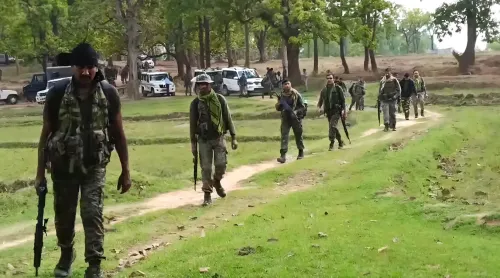
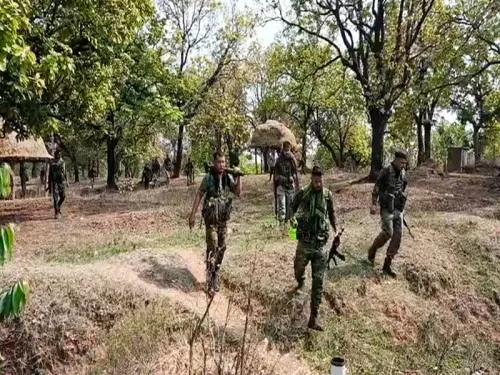
Sustained outreach and inter-agency coordination proved decisive. The District Reserve Guard (DRG) Bijapur, the 170th Battalion of the Central Reserve Police Force (CRPF), and the Bijapur Police worked in close tandem, building the trust necessary to bring the cadres in safely. Officials described the approach as sensitive and calibrated, prioritising rehabilitation over confrontation.
Rehabilitation Benefits on Offer
All six surrendered cadres will be entitled to a comprehensive package under the state's rehabilitation policy, covering financial assistance, skill development training, housing, education, and self-employment and employment support. The aim, officials said, is to enable each individual to lead a dignified life in the mainstream. The development further underscores the broader strategy of pairing sustained security pressure with credible social reintegration — an approach that security analysts argue is more durable than operations alone.
Point of View
Suggesting the security dragnet is now disrupting cross-state Maoist logistics. The rehabilitation pull is real, but the deeper story is organisational: when security guards of senior committee members defect, intelligence pipelines dry up, command trust erodes, and further surrenders become self-reinforcing. Whether the Centre and state can sustain this momentum — in both operational pressure and genuine rehabilitation delivery — will determine if this is a turning point or a tactical dip.
NationPress
12 Oct 2026
Frequently Asked Questions
Who are the six Maoist cadres who surrendered in Bijapur on 12 October 2026?
The six are Rani Sodhi alias Sandhya (₹8 lakh reward), Pando Podium alias Sasmita (₹8 lakh), Sukku Kudiyam alias Santosh (₹8 lakh), Kosa Madvi alias Satish (₹8 lakh), Deve Madkam alias Janni (₹2 lakh), and Lalu Tati (₹1 lakh). They were active in Odisha State Company formations and the West Bastar Division of the Maoist organisation.
What is the combined reward on the six surrendered Maoist cadres?
The combined reward announced on the six cadres was ₹35 lakh. Individual rewards ranged from ₹1 lakh to ₹8 lakh depending on rank and designation within the Maoist hierarchy.
Why did the Maoist cadres choose to surrender?
The cadres cited organisational disintegration, growing security force presence, disillusionment with the Maoists' violent ideology, and the successful rehabilitation of former members as key reasons. The Chhattisgarh government's surrender and rehabilitation policy and rapid development in tribal areas also influenced their decision.
What benefits will the surrendered cadres receive?
Under the Chhattisgarh Naxal Surrender and Rehabilitation Policy, all six will receive financial assistance, skill development training, housing, education, and self-employment and employment support to help them reintegrate into mainstream society.
Which security forces were involved in the surrender process?
The District Reserve Guard (DRG) Bijapur, the 170th Battalion of the CRPF, and the Bijapur Police coordinated the outreach and trust-building effort that led to the surrender. Officials credited their sensitive and sustained approach as decisive to the outcome.