Second Sudanese national isolated at Hyderabad's Gandhi Hospital over Ebola scare
Synopsis
A second Sudanese student in Hyderabad has been isolated at Gandhi Hospital after thermal screening at RGIA flagged a fever of 100°F. With 58 travellers from Ebola-affected countries already under surveillance in the city, and lab results pending, Hyderabad's health system is now on its second Ebola-scare alert in quick succession.
Key Takeaways
A second Sudanese national — a student at a private Hyderabad university — has been isolated at Gandhi Hospital over suspected Ebola symptoms.
He was flagged at Rajiv Gandhi International Airport with a body temperature of 100°F during thermal screening.
Blood, urine, and swab samples have been sent to government labs; results are expected within two days .
A close contact of the student has also been isolated at Gandhi Hospital as a precautionary measure.
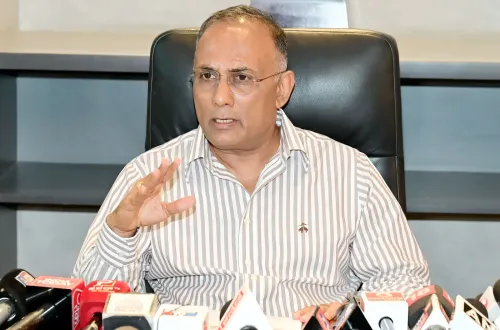
Health Minister Damodar Rajanarasimha confirmed 58 travellers from Ebola-affected countries are under Category-I surveillance and 21-day home isolation .
Gandhi Hospital has 10 fully isolated rooms and 15 quarantine beds dedicated to Ebola preparedness.
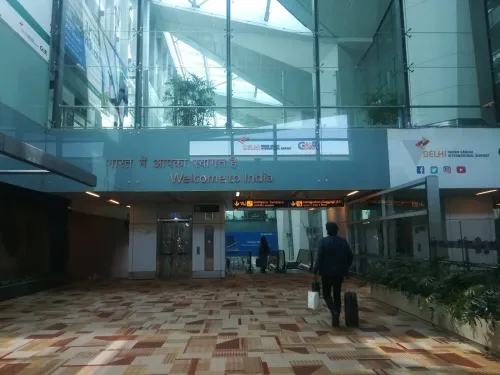
A second Sudanese national has been placed under isolation at Gandhi Hospital in Hyderabad over suspected Ebola symptoms, health officials confirmed on Friday, 5 June. The individual, a student enrolled at a private university in Hyderabad, was flagged during thermal screening at Rajiv Gandhi International Airport (RGIA) after registering a body temperature of 100 degrees Fahrenheit, prompting authorities to transfer him to the hospital's designated isolation ward.
How the Case Was Detected
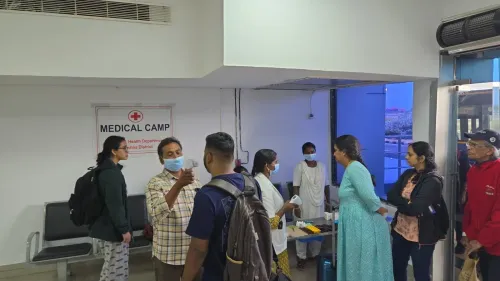
The traveller was identified through the special thermal scanning protocol active at RGIA for arrivals from African countries, including Congo, Uganda, and South Sudan. His travel history from a high-risk country triggered the alert, and he was moved to Gandhi Hospital — the designated nodal centre for Ebola preparedness in the city — for observation and testing. A close contact of the student has also been isolated at the same facility as a precautionary measure.
Medical Assessment and Tests Underway
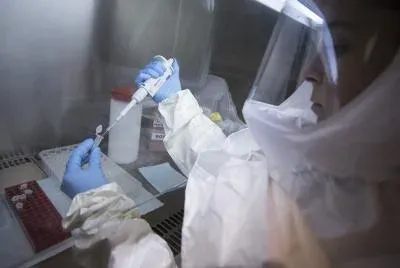
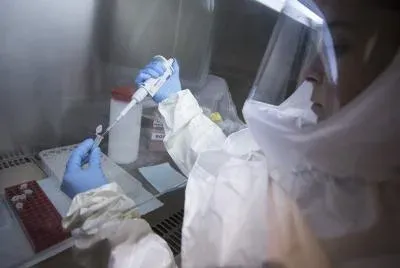
Dr Vamshee Krishna, nodal officer for the isolation ward at Gandhi Hospital, said blood, urine, and swab samples have been dispatched to government-designated laboratories. Results are expected within two days. Notably, the patient was not found to exhibit classic Ebola indicators such as vomiting or diarrhoea, according to doctors. He is currently under observation in the isolation ward.
Doctors indicated that a negative test result would likely lead to a recommendation of home isolation and monitoring. A positive result would trigger treatment as per established protocol.
Hospital Infrastructure and Preparedness
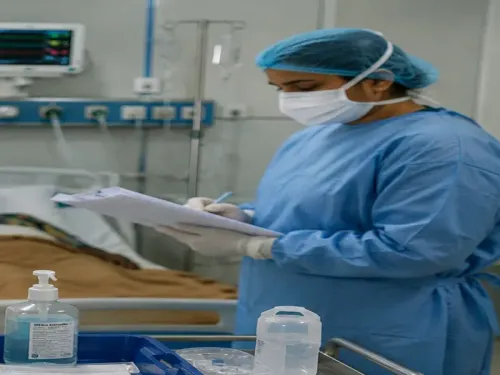
Gandhi Hospital has a dedicated Ebola ward comprising 10 fully isolated rooms, each with an attached bathroom, along with 15 additional quarantine beds. A dedicated team of doctors, health inspectors, field staff, and paramedics has been deployed at RGIA to monitor incoming travellers. Special screening and thermal scanning remain active for passengers arriving from Ebola-affected regions.
Broader Surveillance Picture
This is the second such isolation case involving a Sudanese national in Hyderabad. Health Minister Damodar Rajanarasimha had stated earlier this week that 58 travellers from Ebola-affected countries had arrived in Hyderabad, none of whom had shown symptoms. All 58 were placed under Category-I surveillance and 21-day home isolation as a precautionary measure.
This comes amid heightened global vigilance over Ebola transmission risks from high-incidence zones in Africa, with Indian health authorities maintaining airport-level screening as a first line of defence. Laboratory results in the coming days will determine the next course of action for the isolated student and his contact.
Point of View
Meaning a two-day wait for results is the best the system can offer. With 58 high-risk travellers already under home surveillance in a single city, the question is not whether the infrastructure exists on paper, but whether community-level monitoring can actually hold if numbers rise. The absence of vomiting or diarrhoea in the current case is clinically reassuring, but the protocol rightly treats travel history as the primary trigger — a sound, evidence-based call.
NationPress
20 Sept 2026
Frequently Asked Questions
Why has the Sudanese national been isolated at Gandhi Hospital in Hyderabad?
He was isolated because thermal screening at Rajiv Gandhi International Airport detected a body temperature of 100°F, and his travel history from a high-risk country for Ebola triggered the standard protocol. He is the second Sudanese national to be isolated in Hyderabad for suspected Ebola symptoms.
Does the isolated student have confirmed Ebola?
No confirmed diagnosis has been made. Doctors noted he does not exhibit classic Ebola symptoms such as vomiting or diarrhoea. Blood, urine, and swab samples have been sent to government-designated laboratories, with results expected within two days.
What happens if the test results are negative or positive?
If tests return negative, doctors said he may be advised to undergo home isolation and monitoring. If the result is positive, treatment will begin immediately as per established medical protocol.
How prepared is Hyderabad for an Ebola outbreak?
Gandhi Hospital has been designated the nodal centre for Ebola preparedness, with 10 fully isolated rooms, attached bathrooms, and 15 quarantine beds. A dedicated team of doctors, health inspectors, and paramedics is deployed at RGIA for continuous screening of travellers from African countries.
How many travellers from Ebola-affected countries are under surveillance in Hyderabad?
Health Minister Damodar Rajanarasimha confirmed earlier this week that 58 travellers from Ebola-affected countries had arrived in Hyderabad. None showed symptoms, and all were placed under Category-I surveillance and 21-day home isolation as a precautionary measure.