Ebola in India: No confirmed case, Bengaluru traveller tests negative
Synopsis
India has logged zero confirmed Ebola cases, but the government's precautionary isolation of a Uganda traveller in Bengaluru — who has since tested negative — signals just how seriously health authorities are treating the DRC outbreak. With WHO warning that 900-plus suspected cases dwarf the 101 confirmed figure, India's airport and border surveillance is quietly on high alert.
Key Takeaways
The Union Ministry of Health and Family Welfare confirmed no Ebola case has been detected in India as of 27 May .
A traveller from Uganda isolated at Epidemic Diseases Hospital, Bengaluru tested negative for Ebola Virus Disease.
WHO Director-General Tedros Adhanom Ghebreyesus reported 101 confirmed cases and 10 confirmed deaths in the DRC , with over 900 suspected cases under investigation.
Uganda has recorded 7 confirmed cases , including 2 healthcare workers and 1 death .
India has activated screening at all points of entry , including airports and border health posts, in line with WHO guidelines.
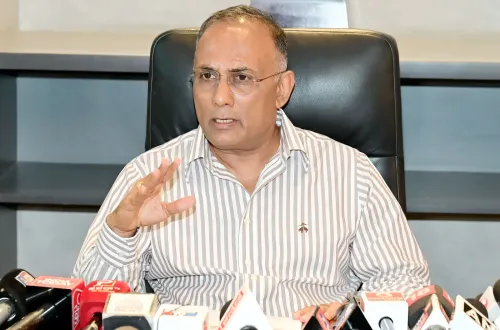
The Union Ministry of Health and Family Welfare confirmed on 27 May that no case of Ebola Virus Disease has been detected in India, even as the government said it is closely monitoring the outbreak spreading across parts of Africa. A traveller from Uganda placed under precautionary isolation in Bengaluru has tested negative for the virus, officials said.
The Bengaluru Isolation Case
As a precautionary measure, an individual with recent travel history from Uganda was placed under isolation at the state-run Epidemic Diseases Hospital in Bengaluru after reporting mild symptoms, specifically body ache. Officials clarified that the person was otherwise healthy, and a sample was dispatched to the National Institute of Virology for laboratory testing. The result returned negative for Ebola Virus Disease, allaying immediate concerns.
India's Surveillance and Preparedness Measures
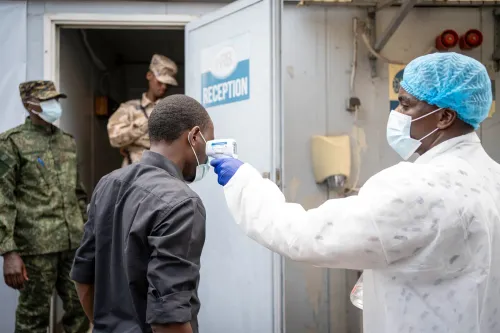
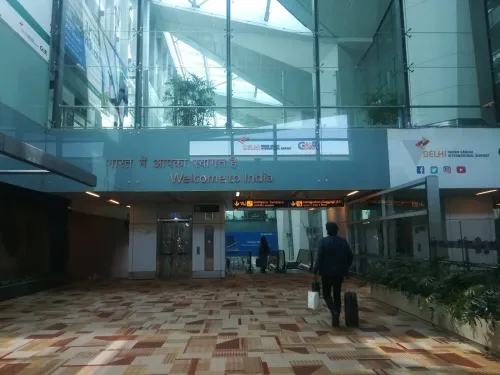
The Ministry, working in coordination with state health authorities, said screening and surveillance are being maintained at all designated points of entry, including airports and border health facilities. The government stated it is following all protocols in line with World Health Organisation (WHO) guidelines, and that its early detection and response mechanisms are being continuously strengthened. Citizens have been advised to avoid panic, refrain from spreading misinformation, and rely solely on official sources for updates.
The Global Ebola Outbreak: What WHO Data Shows
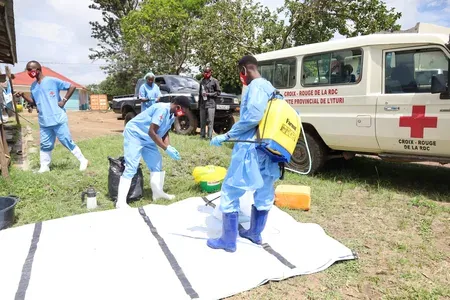
WHO Director-General Tedros Adhanom Ghebreyesus has warned that the Ebola Bundibugyo outbreak in the Democratic Republic of Congo (DRC) is likely far larger than confirmed figures suggest. In a post on X, Tedros said 101 cases have been confirmed in the DRC, including 10 confirmed deaths. However, he cautioned that more than 900 suspected cases and 220 suspected deaths remain under investigation, indicating the actual scale of the epidemic could be significantly higher.
Neighbouring Uganda has also reported fresh infections, with two additional confirmed cases among healthcare workers, bringing the country's total to seven confirmed cases, including one death. The WHO and partner agencies are reportedly scaling up contact tracing and surveillance operations to break active chains of transmission.
What the Government Is Asking Citizens to Do
Health authorities have reiterated that India remains vigilant given evolving global disease patterns. The government's message is clear: there is no cause for alarm domestically, but preparedness protocols remain fully active. Officials urged the public to trust only verified, official health communications and avoid circulating unverified claims about Ebola cases in India.
With the DRC outbreak still expanding and Uganda reporting healthcare worker infections, India's border surveillance posture is expected to remain heightened in the weeks ahead.
Point of View
But the WHO's own data gap — 101 confirmed versus 900-plus suspected cases in the DRC — is the more troubling number. A surveillance system calibrated to confirmed figures alone could be caught off-guard if transmission accelerates. The Bengaluru isolation, handled swiftly and transparently, is a model response; the harder test will come if a suspected case arrives from a less-monitored entry point. India's health infrastructure has improved, but the DRC outbreak's scale suggests this is not a moment for complacency at border health posts.
NationPress
10 Oct 2026
Frequently Asked Questions
Has Ebola been confirmed in India?
No. The Union Ministry of Health and Family Welfare confirmed on 27 May that no case of Ebola Virus Disease has been detected in India. A traveller from Uganda isolated in Bengaluru tested negative for the virus.
Why was a person isolated in Bengaluru?
An individual with recent travel history from Uganda was placed under precautionary isolation at the Epidemic Diseases Hospital in Bengaluru after reporting mild body ache. The isolation was a standard public health protocol; the person's sample tested negative at the National Institute of Virology.
How serious is the current Ebola outbreak globally?
WHO Director-General Tedros Adhanom Ghebreyesus has warned the Ebola Bundibugyo outbreak in the DRC is likely much larger than confirmed data shows. While 101 cases and 10 deaths are confirmed, over 900 suspected cases and 220 suspected deaths remain under investigation.
Which countries are currently affected by Ebola?
The primary outbreak is in the Democratic Republic of Congo (DRC). Uganda has also reported 7 confirmed cases, including 2 among healthcare workers and 1 death, according to WHO data.
What precautions is India taking against Ebola?
India has activated screening and surveillance at all designated points of entry, including airports and border health facilities. The government is coordinating with state authorities and following WHO guidelines, while urging citizens to rely only on official sources for information.