Chandernagore Municipal Corporation set for dissolution as 30 TMC councillors resign
Synopsis
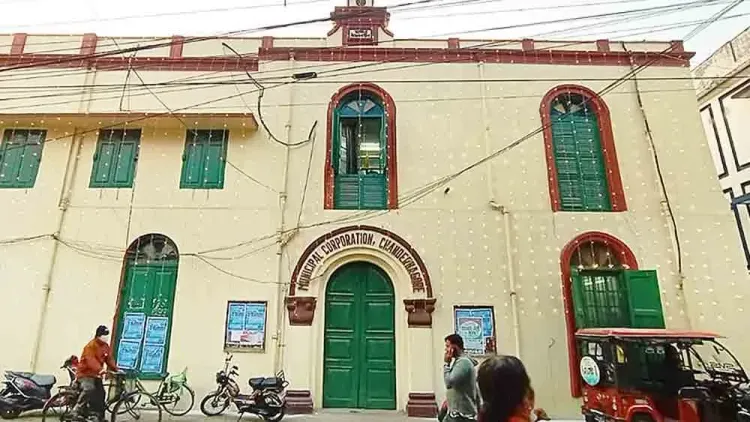
Chandernagore's TMC-controlled civic body is set to become West Bengal's first elected urban corporation to be dissolved after a mass resignation — triggered by financial audit curbs and the fallout from a bruising assembly election defeat. With 30 of 31 TMC councillors out, basic civic services for thousands of residents now hang in the balance.
Key Takeaways
30 of 31 TMC councillors in the Chandernagore Municipal Corporation (CMC) resigned within 24 hours on 30 May .
CMC Mayor Ram Chakraborty is among those who resigned, citing curtailed financial autonomy following a state-mandated expenditure audit.
The CMC has 33 total councillors — 31 TMC and 2 CPI(M) ; resignations effectively strip the board of its majority.
Former TMC MLA and minister Indranil Sen lost the Hooghly seat to BJP's Deepanjan Kumar Guha by over 15,000 votes , reportedly unsettling local TMC ranks.
The CMC is set to become the first elected urban civic body in West Bengal to be dissolved under the current political dispensation.
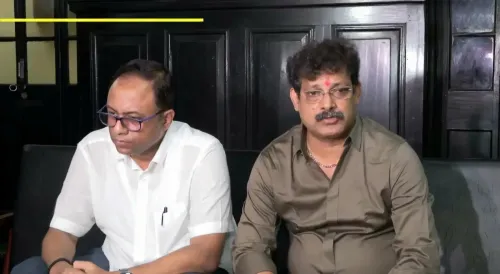
The Chandernagore Municipal Corporation (CMC) in West Bengal's Hooghly district is on the verge of dissolution after 30 of its 31 Trinamool Congress (TMC) councillors submitted their resignations within a 24-hour window ending Saturday, 30 May. The CMC is poised to become the first elected urban civic body in the state to be dissolved following a mass resignation by the ruling party's representatives.
How the Resignations Unfolded
The wave of exits began on Friday afternoon when six TMC councillors stepped down, with 24 more following suit on Saturday morning. Among those who resigned is CMC Mayor Ram Chakraborty. All resignations were submitted via email to the corporation's chairperson and commissioner. The CMC has a total of 33 councillors — 31 from TMC and two from the Communist Party of India (Marxist).
What the Mayor Said
Mayor Ram Chakraborty cited restrictions imposed by the state's municipal affairs and urban development department as the primary reason. Following a directive for a financial audit of the CMC, the corporation's spending authority was reportedly curtailed significantly. 'So, naturally, we are apprehensive that providing civic amenities to the citizens under CMC will be adversely impacted. So, considering all these aspects, we have decided to resign,' Chakraborty said.
Political Context: A Defeat That Shook the Local TMC
The resignations come against the backdrop of a significant setback for TMC in the recently concluded West Bengal assembly elections. Sitting TMC legislator and former state minister Indranil Sen — also a well-known actor-turned-politician — lost the Hooghly seat to Bharatiya Janata Party's (BJP) candidate Deepanjan Kumar Guha by a margin of over 15,000 votes. According to reports, Sen's subsequent withdrawal from active politics created a leadership vacuum that reportedly deepened uncertainty among CMC's TMC councillors.
Impact on Citizens and Civic Services
The impending dissolution has raised serious concerns about the continuity of basic civic services — including sanitation, water supply, and infrastructure maintenance — for residents under the CMC's jurisdiction. With no elected board in place, the corporation is expected to function under state-appointed administrators until fresh elections are held. This is the first such instance in West Bengal since the current political dispensation came to power, making it a closely watched test of how the state manages urban governance in a post-election transition.
Point of View
And that body's councillors resigning en masse in protest, points to deepening intra-TMC fault lines in the post-election period. The Hooghly defeat stripped local leadership of a key patron, and the audit directive appears to have been the final straw. What makes this significant is the precedent: if West Bengal's ruling party cannot hold its own civic boards together, the question of governance credibility in urban local bodies will sharpen ahead of the next municipal election cycle.
NationPress
19 Sept 2026
Frequently Asked Questions
Why are Chandernagore Municipal Corporation councillors resigning?
The TMC councillors cited restrictions on the corporation's financial autonomy following a state government directive for a CMC expenditure audit. Mayor Ram Chakraborty stated that the curtailment of spending powers threatened the delivery of basic civic services, prompting the mass resignation.
How many councillors have resigned from the CMC?
As of Saturday morning, 30 May, 30 out of 31 TMC councillors had submitted their resignations, including Mayor Ram Chakraborty. The resignations were emailed to the CMC chairperson and commissioner.
What happens to Chandernagore after the corporation is dissolved?
Once dissolved, the CMC is expected to be placed under state-appointed administrators until fresh elections are conducted. This raises immediate concerns about continuity of civic services such as sanitation, water supply, and infrastructure for local residents.
What role did the West Bengal assembly election results play in this crisis?
Former TMC MLA and minister Indranil Sen lost the Hooghly seat to BJP's Deepanjan Kumar Guha by over 15,000 votes. His reported withdrawal from politics is said to have created a leadership vacuum and deepened uncertainty among TMC's CMC councillors.
Is this the first time a civic body has been dissolved in West Bengal?
The Chandernagore Municipal Corporation is set to be the first elected urban civic body in West Bengal to be dissolved following a majority resignation by the ruling party's own councillors since the current political dispensation came to power.