KMC Board dissolved: West Bengal appoints Smita Pandey administrator
Synopsis
The West Bengal government dissolved its own Trinamool Congress-run KMC board on 8 June, appointing bureaucrat Smita Pandey as administrator — a rare instance of a ruling party dismantling its elected municipal body. The move, triggered by Firhad Hakim's resignation and a legal standoff over succession, leaves Kolkata under state-controlled civic administration for up to six months.
Key Takeaways
The West Bengal government dissolved the TMC -run KMC board on 8 June 2025 under Section 117(I) of the KMC Act, 1980 .
KMC Commissioner Smita Pandey has been appointed administrator for up to six months or until new councillors take charge.
The crisis was triggered by the resignation of former KMC Mayor Firhad Hakim .
A legal dispute between the state and former KMC Chairperson Mala Roy over Section 28 vs Section 117(I) preceded the dissolution.
All elected members — including the Mayor, MMIC members, and committee members — have been required to vacate their offices.
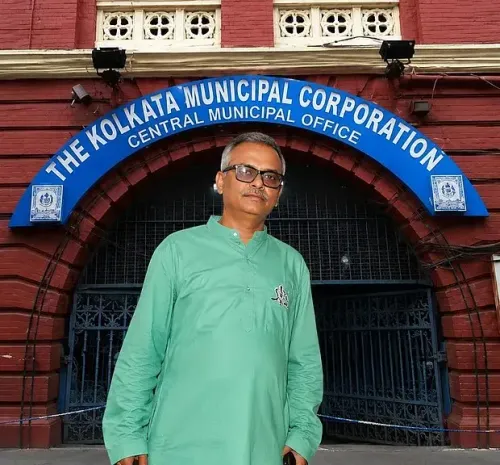
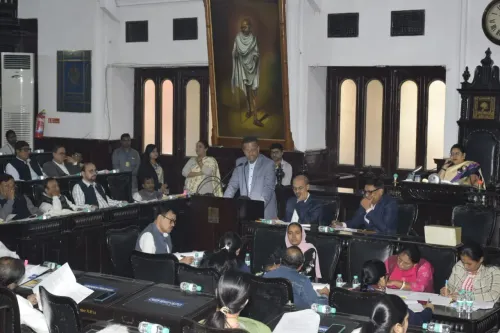
The West Bengal government on Monday, 8 June dissolved the Trinamool Congress (TMC)-run board of the Kolkata Municipal Corporation (KMC) and appointed sitting KMC Commissioner Smita Pandey as administrator — a move that strips the elected body of all powers and places Kolkata's civic governance under state-controlled oversight for up to six months.
The Legal Basis for Dissolution
The state municipal affairs department issued a formal notification invoking Sub-Section (I) of Section 117 of the KMC Act, 1980, which authorises the state government to dissolve the corporation's board. Under the order, all elected members — including those on the Mayor-in-Council (MMIC) and any committee constituted under the Act — are required to vacate their offices immediately. All powers and duties of the dissolved board will now be exercised by Pandey, subject to directions from the state government.
What Triggered the Crisis
The sequence of events began last week when former KMC Mayor and former West Bengal Minister Firhad Hakim resigned from his position. His departure triggered a legal dispute between the state municipal affairs department and erstwhile KMC Chairperson Mala Roy over the question of who held authority during the interregnum. The state government argued for dissolution under Section 117(I) of the KMC Act, while Roy cited Section 28 of the same legislation, which provides for the Deputy Mayor to run the corporation until a new Mayor is elected from among the existing councillors. The state government's position ultimately prevailed.
Pandey's Mandate and Timeline
Smita Pandey's appointment as administrator is valid for a period not exceeding six months, or until newly elected councillors take charge — whichever comes earlier. This effectively suspends democratic governance at the KMC for the duration, placing one of India's largest municipal corporations under bureaucratic administration. Notably, the KMC governs Kolkata, a city of over 4.5 million residents, making the stakes of this transition considerable for day-to-day civic services.
Political Significance
The dissolution is a striking development given that the KMC board was itself a Trinamool Congress-controlled body — meaning the state government, also led by the TMC, has moved against its own elected representatives at the municipal level. This comes amid broader political turbulence in West Bengal and raises questions about internal party dynamics ahead of future civic elections. Critics argue the move concentrates power further in the hands of the state executive, bypassing elected local governance structures.
What Happens Next
Fresh KMC elections will be required to restore elected governance, though no date has been announced. Until then, Commissioner Pandey will oversee civic administration under the state government's directions. The legal dispute over the correct interpretation of the KMC Act — Section 117(I) versus Section 28 — may yet face further scrutiny, particularly from the councillors whose tenures have been effectively ended by the dissolution order.
Point of View
But the real story is what it reveals about TMC's internal fault lines. Hakim's exit and the Roy-state dispute suggest the party's grip on Kolkata's civic machinery is under stress. Invoking Section 117(I) over the more consensual Section 28 route was a deliberate assertion of state executive authority — one that sidelines elected councillors entirely. With KMC elections now unavoidable, this dissolution hands the state government full control of Kolkata's civic agenda during a politically sensitive period, raising legitimate questions about the health of urban democratic governance in West Bengal.
NationPress
23 Oct 2026
Frequently Asked Questions
Why was the KMC board dissolved?
The West Bengal government dissolved the KMC board on 8 June 2025 under Section 117(I) of the KMC Act, 1980, following the resignation of former Mayor Firhad Hakim and a legal dispute over who held authority in his absence. The state argued that dissolution was the correct legal course, overriding a competing claim under Section 28 of the same Act.
Who is Smita Pandey and what is her role now?
Smita Pandey is the serving KMC Commissioner who has been appointed administrator of the Kolkata Municipal Corporation following the board's dissolution. She will exercise all powers and duties of the dissolved board for up to six months, or until newly elected councillors take charge, subject to state government directions.
What was the legal dispute between the state and Mala Roy?
After Firhad Hakim's resignation, former KMC Chairperson Mala Roy cited Section 28 of the KMC Act, which provides for the Deputy Mayor to run the corporation until a new Mayor is elected from existing councillors. The state government countered with Section 117(I), which authorises outright dissolution of the board, and ultimately acted on that provision.
What happens to the elected councillors?
All elected members of the KMC — including MMIC members, committee members, the Mayor, and the Chairman — have been required to vacate their offices following the dissolution. Their roles will remain suspended until fresh elections are held and new councillors take charge.
When will fresh KMC elections be held?
No date for fresh KMC elections has been announced as of 8 June 2025. The administrator's tenure can last up to six months, giving the state government a window within which elections must be conducted to restore elected civic governance in Kolkata.