Panchkosi Parikrama 2026: 50 lakh devotees circle Ayodhya on Kartik Ekadashi
Synopsis
More than 50 lakh pilgrims turned out for Ayodhya's Panchkosi Parikrama on Kartik Shukla Ekadashi — one of the city's largest single-day religious gatherings. The event showcased not just surging devotion but a transformed city: a new four-lane parikrama road replaced the old congested lanes, signalling how dramatically Ayodhya's infrastructure has changed since the Ram Mandir consecration.
Key Takeaways
More than 50 lakh devotees performed the Panchkosi Parikrama in Ayodhya on 20 November 2026 , per district administration estimates.
The parikrama is a 15-kilometre ritual circuit observed on Kartik Shukla Ekadashi , beginning with a holy dip in the Saryu River .
A new four-lane dedicated road developed under the Yogi Adityanath -led government replaced earlier narrow lanes, drawing widespread praise.
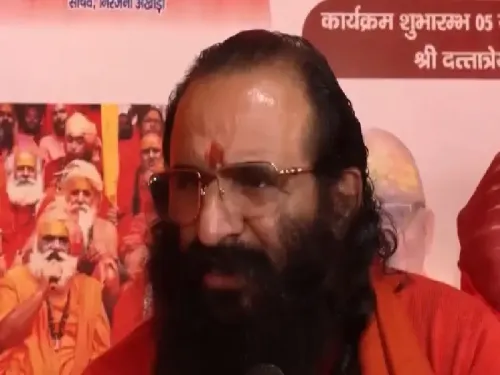
Ayodhya MLA Ved Prakash Gupta and Mahant Kamal Nayan Das were among the public figures seen serving pilgrims along the route.
The district administration deployed medical camps, ambulances, drinking water, toilet facilities, and traffic management for the event.
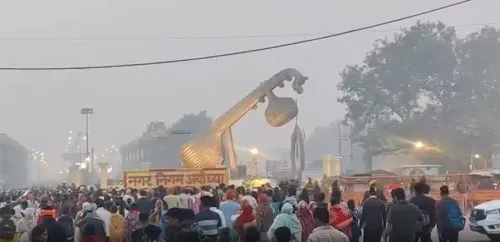
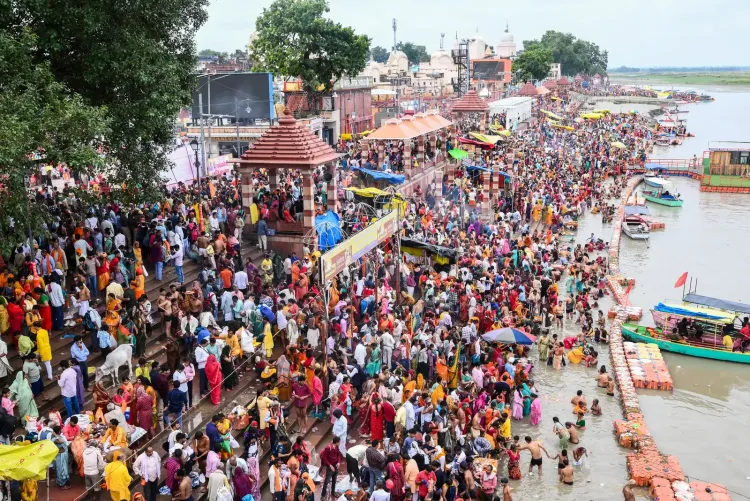
More than 50 lakh devotees converged on the holy city of Ayodhya on Friday, 20 November 2026, to undertake the Panchkosi Parikrama — a 15-kilometre ritual circumambulation observed on the auspicious occasion of Kartik Shukla Ekadashi. The turnout, confirmed by official district administration estimates, represents one of the largest single-day pilgrimages recorded at the site in recent years.
The Route and Its Significance
The Panchkosi Parikrama originates near Naya Ghat and Ram Ki Paidi along the banks of the Saryu River, winding through several prominent temples, kunds, and ghats across Ayodhya. Pilgrims traditionally begin the yatra with a holy dip in the Saryu before undertaking the circumambulation, chanting 'Jai Shri Ram' throughout the circuit. After completing the parikrama, devotees proceeded to various temples to offer prayers.
Revamped Four-Lane Road Draws Praise
A notable highlight of this year's event was the upgraded Parikrama route. The earlier path ran through narrow, frequently congested lanes, making the journey arduous for large crowds. Under the Uttar Pradesh government led by Chief Minister Yogi Adityanath, a dedicated four-lane road has since been developed along the route, allowing pilgrims to move with greater ease. Many devotees and local residents praised the infrastructure improvement.
Ram Prasad Mishra, a long-time Ayodhya resident, said: 'I have been performing Panchkosi Parikrama for many years. Previously, the narrow lanes used to be extremely crowded and inconvenient. Now, seeing the four-lane road and the arrangements for drinking water and prasad, I am truly delighted. Performing this parikrama after darshan of Ram Lalla feels spiritually rewarding.'
Sunita Devi, who arrived from Basti with her family, remarked: 'There are service camps set up all along the route, with facilities for drinking water and medical care. The police are also providing great support. The darshan at Hanumangarhi and the Ram Mandir was a wonderful experience.'
Administration and Community Support
The district administration put in place extensive arrangements for the event, deploying medical camps, ambulances, drinking water stations, toilet facilities, and dedicated traffic management teams along the entire circuit. Voluntary organisations and community groups supplemented official efforts by setting up service camps offering water, prasad, medical assistance, and resting facilities.
Long queues of devotees had begun forming from early morning. Ayodhya MLA Ved Prakash Gupta and Mahant Kamal Nayan Das — successor to Maniramdas Chhavani — along with several other saints and mahants, were also present along the route and were seen serving pilgrims.
Broader Context: Ayodhya's Rising Pilgrimage Profile
This year's Panchkosi Parikrama comes amid Ayodhya's dramatically elevated religious and infrastructural profile following the consecration of the Ram Mandir earlier in 2024. The city has since witnessed a surge in pilgrim footfall across major Hindu festivals, and civic authorities have ramped up crowd-management capacity accordingly. The Kartik Ekadashi parikrama is now widely regarded as one of the most significant annual events on the Vaishnav devotional calendar.
With infrastructure upgrades continuing and devotee numbers trending upward year-on-year, Ayodhya's administration is expected to further scale its logistics framework ahead of the next major festival cycle.
Point of View
But it also raises the question of whether civic infrastructure is keeping pace with exponential footfall growth. The city's water, sanitation, and health systems will face stress-tests at every major festival, and Thursday's arrangements — however praised — are a preview of that challenge at scale. Ayodhya's administrators deserve credit for the logistics, but the real test will come when multiple peak festivals overlap in a single season.
NationPress
20 Nov 2026
Frequently Asked Questions
What is the Panchkosi Parikrama in Ayodhya?
The Panchkosi Parikrama is a 15-kilometre ritual circumambulation of Ayodhya, traditionally performed on Kartik Shukla Ekadashi. Pilgrims begin with a holy dip in the Saryu River and walk a circuit passing through major temples, kunds, and ghats in the city, chanting 'Jai Shri Ram' throughout.
How many devotees attended the Panchkosi Parikrama in 2026?
According to official estimates by the district administration, more than 50 lakh devotees participated in the Panchkosi Parikrama on 20 November 2026. The event is considered one of the largest single-day pilgrimages at the site in recent years.
What infrastructure changes were made to the Parikrama route?
Under the Uttar Pradesh government led by Chief Minister Yogi Adityanath, a dedicated four-lane road was built along the Panchkosi Parikrama route, replacing the earlier narrow, congested lanes. The upgrade was widely praised by pilgrims and residents for making the 15-km walk more comfortable.
What arrangements were made for pilgrims at the event?
The district administration set up medical camps, ambulances, drinking water stations, toilet facilities, and traffic management along the route. Voluntary organisations and community groups also ran service camps providing water, prasad, medical assistance, and resting facilities.
Why is the Panchkosi Parikrama significant in the context of Ayodhya today?
The parikrama holds added significance following the consecration of the Ram Mandir in 2024, which dramatically elevated Ayodhya's profile as a pilgrimage destination. The city has since seen a steady rise in devotee footfall across major Hindu festivals, and this year's turnout reflects that sustained surge in religious tourism.