PM-JAY turns 8: Over 60 crore covered, ₹2 lakh crore treatment availed, says Nadda
Synopsis
Eight years in, PM-JAY has crossed 60 crore in coverage and ₹2 lakh crore in treatment availed — numbers that make it the world's largest health assurance scheme by reach. Health Minister Nadda's anniversary post underlines how a demand-side insurance model has quietly become one of the Modi government's most tangible social policy achievements, even as questions about quality of care and claims efficiency persist.
Key Takeaways
PM-JAY completed eight years on 23 September 2026 , marking a major milestone in India's public health programme.
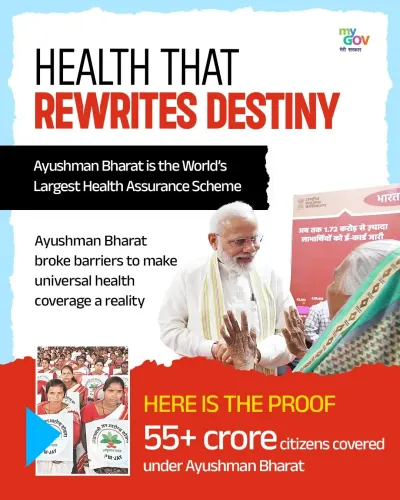
More than 60 crore people are now covered under the scheme — over half a billion individuals.
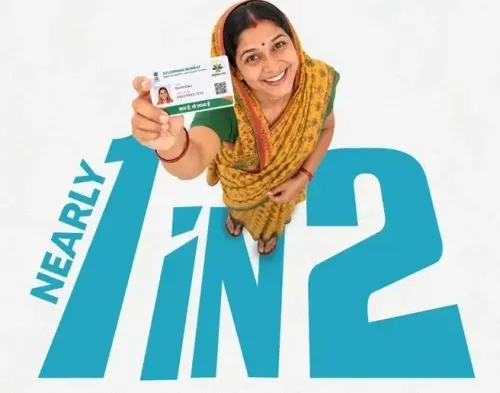
48.54 crore Ayushman cards have been created and over 13 crore beneficiaries have availed treatment.
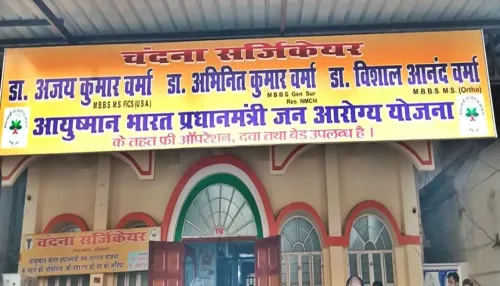
Total hospitalisation and treatment worth more than ₹2 lakh crore has been accessed through 39,000+ empanelled hospitals.
Health Minister J.P.
Nadda credited Prime Minister Narendra Modi's vision for the scheme's growth and reiterated the government's commitment to inclusive healthcare.
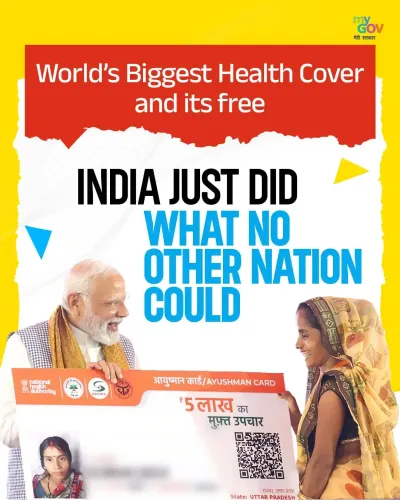
Union Health Minister J.P. Nadda on Wednesday, 23 September 2026 marked the eighth anniversary of the Ayushman Bharat Pradhan Mantri Jan Arogya Yojana (PM-JAY), describing it as the world's largest health assurance scheme and highlighting that more than 60 crore people have been brought under its coverage since its launch. The milestone underscores the scheme's reach as a cornerstone of India's public health architecture.
Key Milestones at Eight Years
According to Nadda, more than 48.54 crore Ayushman cards have been created under the scheme, while over 13 crore beneficiaries have already availed treatment. Beneficiaries have collectively accessed hospitalisation and medical treatment worth more than ₹2 lakh crore through a network of over 39,000 empanelled public and private hospitals across the country.
Notably, PM-JAY now covers more than half a billion people — a figure that, if the scheme were a country, would rank it among the most populous nations on earth. This is a significant scaling milestone for a programme that began in 2018 as part of the broader Ayushman Bharat initiative.
What the Minister Said
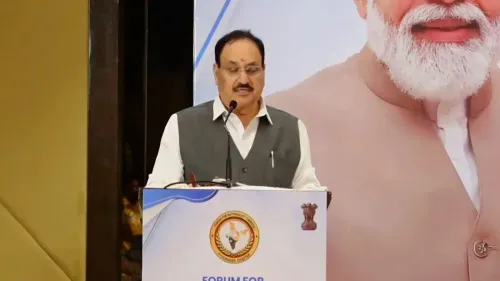
Posting on social media platform X, Nadda said the scheme reflected a 'Sankalp for Seva' initiated by Prime Minister Narendra Modi. 'What began eight years ago as the Sankalp for Seva of Hon'ble Prime Minister Shri Narendra Modi ji has transformed healthcare access for millions,' he said in his post.
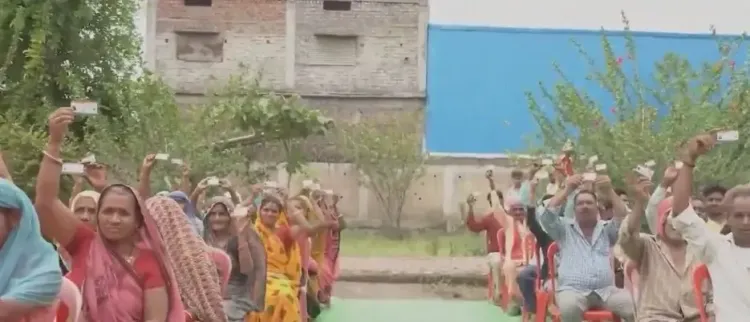
Nadda emphasised the human dimension behind the numbers. 'Behind every number is a story — a family protected from the burden of medical debt, a patient receiving timely treatment, a loved one relieved of pain, and a household able to face illness without the fear of financial hardship,' he said, adding that hearing from beneficiaries directly was 'a powerful reminder of the impact of this historic journey of Seva.'
Why PM-JAY Matters for India's Healthcare
PM-JAY was designed specifically to address catastrophic health expenditure — a leading cause of household debt and poverty in India. Before the scheme, a large section of India's population had no financial safety net against major illnesses, forcing families to either forgo treatment or sell assets to fund hospitalisation.
This comes amid growing recognition globally that out-of-pocket health spending remains one of the biggest drivers of poverty in developing economies. India's public health expenditure, while rising, still trails several comparable economies as a share of GDP — making demand-side insurance schemes like PM-JAY a critical bridge.
Government's Commitment Going Forward
Nadda said the government remained 'steadfast' in its commitment to building 'an accessible, affordable and inclusive healthcare system, ensuring that every citizen can access quality healthcare with dignity and without financial hardship.' The ministry has not yet announced specific targets or expansion plans for the scheme's ninth year, though officials have indicated continued focus on deepening hospital empanelment in underserved districts.
With over half a billion lives covered and ₹2 lakh crore in treatment availed, the scale of PM-JAY makes it a benchmark for publicly funded health assurance globally — and its next phase will likely determine whether coverage translates into consistently improved health outcomes.
Point of View
But coverage and utilisation are not the same as health outcomes. With 13 crore treatments availed against 60 crore enrolled, the utilisation rate raises questions about awareness gaps, claims rejection rates, and whether the 39,000 empanelled hospitals are equitably distributed across India's most underserved districts. PM-JAY's real legacy will be decided not by card issuance numbers but by whether it demonstrably reduced catastrophic out-of-pocket expenditure at the household level — data that the government has not prominently foregrounded. As the scheme enters its ninth year, the shift from access to outcomes is the accountability test that awaits.
NationPress
23 Sept 2026
Frequently Asked Questions
What is Ayushman Bharat PM-JAY and how does it work?
Ayushman Bharat PM-JAY is India's flagship publicly funded health assurance scheme, launched in 2018, that provides cashless hospitalisation cover to eligible low-income families across empanelled public and private hospitals. It is described as the world's largest health assurance scheme by coverage, now encompassing more than 60 crore people.
How many people have benefited from PM-JAY in eight years?
Over 13 crore beneficiaries have availed treatment under PM-JAY since its launch, with 48.54 crore Ayushman cards created. Total treatment and hospitalisation worth more than ₹2 lakh crore has been accessed through 39,000+ empanelled hospitals.
Why is PM-JAY considered significant for India's healthcare?
PM-JAY targets catastrophic out-of-pocket health expenditure, which is a major driver of household debt and poverty in India. By providing cashless hospitalisation cover to over half a billion people, it acts as a critical financial safety net for families that previously had no health insurance.
What did Health Minister J.P. Nadda say on PM-JAY's eighth anniversary?
Nadda posted on X that the scheme reflected Prime Minister Modi's 'Sankalp for Seva' and had transformed healthcare access for millions. He highlighted that 60 crore people are covered, 48.54 crore cards have been issued, and treatment worth over ₹2 lakh crore has been availed, calling the human stories behind the numbers the scheme's real significance.
What are the next steps for PM-JAY?
The government has reiterated its commitment to strengthening an accessible, affordable, and inclusive healthcare system, though specific expansion targets for the scheme's ninth year have not been announced. Officials have indicated a continued focus on deepening hospital empanelment in underserved districts.