Ahmedabad Airport Conducts Comprehensive Earthquake Drill for Disaster Preparedness
Synopsis
On February 25, Ahmedabad's Sardar Vallabhbhai Patel International Airport executed a full-scale earthquake simulation drill, aiming to enhance emergency response protocols and inter-agency collaboration for natural disasters. This comprehensive exercise underscores the commitment to safeguarding lives and infrastructure.
Key Takeaways
Comprehensive disaster preparedness is vital for safeguarding infrastructure.
Collaboration among multiple agencies enhances emergency response.
Regular drills identify operational gaps and areas for improvement.
Effective communication channels are essential during crises.
Mock exercises reinforce collective readiness to protect lives.
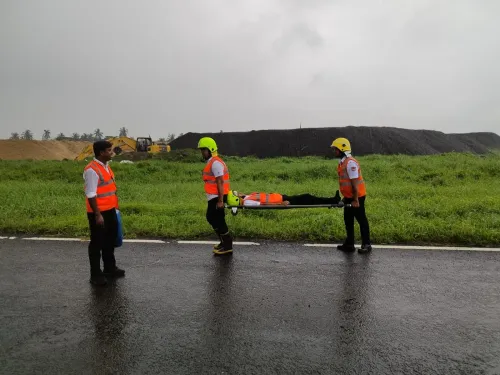
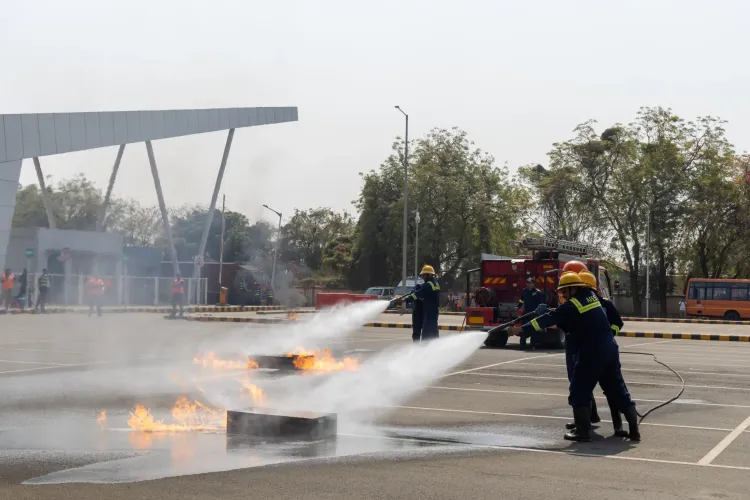
Ahmedabad, Feb 25 (NationPress) A comprehensive mock drill simulating an earthquake and its subsequent effects took place at the Sardar Vallabhbhai Patel International Airport in Ahmedabad on Wednesday, aimed at evaluating emergency response strategies and enhancing inter-agency collaboration during natural disasters.
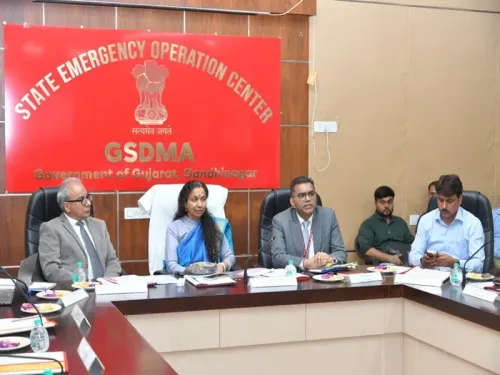
The disaster management exercise was facilitated by the National Disaster Management Authority (NDMA) in partnership with the Airports Authority of India (AAI), the Gujarat State Disaster Management Authority (GSDMA), and the National Disaster Response Force (NDRF), taking place at the Integrated Cargo Terminal.
This multi-hazard exercise was crafted to gauge readiness levels and the efficacy of collective actions in the face of a significant seismic event impacting critical infrastructure.
The simulation mirrored an earthquake and its resultant challenges, such as structural damages and interruptions to airport operations.
Officials indicated that the aim was to assess response protocols, test the deployment of the Incident Response System (IRS), scrutinize communication pathways, and evaluate resource mobilization under duress.
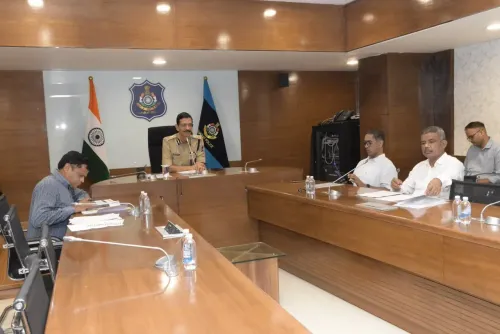
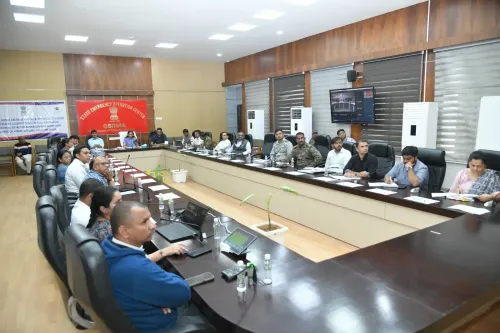
Participants included representatives from various central and state government bodies, alongside teams from the NDRF, State Disaster Response Force (SDRF), police, and fire services.
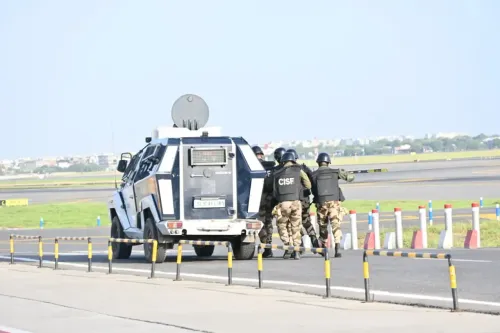
Personnel from the airport, teams from the Collector's office, CISF, Aapda Mitra, as well as other essential stakeholders, actively participated to guarantee thorough involvement across operational and emergency management sectors.
According to officials, this mock exercise offered a chance to reassess Standard Operating Procedures and pinpoint areas for enhancement.
It also sought to bolster cooperation among agencies that would need to collaborate during an actual emergency.
An official remarked, "This drill is intended to fortify inter-agency cooperation and ensure prompt, organized decision-making during complex disaster scenarios. Such exercises are vital for identifying operational deficiencies and strengthening collective readiness to protect lives and critical infrastructure."
Authorities noted that the results from the exercise would be analyzed to further fine-tune emergency preparedness strategies at the airport and among relevant departments.
Point of View
It's crucial to highlight that such comprehensive drills are essential for disaster readiness. The collaborative effort among various agencies demonstrates a proactive approach to safeguarding public safety and infrastructure integrity. This exercise not only tests current protocols but also paves the way for improvements in emergency response strategies.
NationPress
19 Sept 2026
Frequently Asked Questions
What was the purpose of the drill at Ahmedabad Airport?
The drill aimed to evaluate emergency response systems and enhance inter-agency coordination during potential natural disasters, particularly an earthquake.
Which agencies were involved in the mock exercise?
The exercise was organized by the National Disaster Management Authority (NDMA) in collaboration with the Airports Authority of India (AAI), Gujarat State Disaster Management Authority (GSDMA), and the National Disaster Response Force (NDRF).
What scenarios were simulated during the drill?
The simulation replicated an earthquake and its secondary effects, including structural damage and disruptions to airport operations.
How does this exercise benefit emergency preparedness?
It helps identify operational gaps, refine response strategies, and enhance coordination among agencies, ensuring effective action during real emergencies.
What were the key outcomes expected from the drill?
The exercise aimed to review Standard Operating Procedures and improve readiness levels among all participating agencies.