Ahmedabad food unit sealed for tomato-free 'ketchup'; 2,000 kg stock seized
Synopsis
A food unit in Ahmedabad was caught making a product that looked and felt like tomato ketchup — but contained zero tomatoes, relying instead on potato flakes and corn flour. With 2,000 kg seized, FSSAI registration discrepancies flagged, and lab tests pending, this case puts a sharp spotlight on mislabelling and ingredient fraud in packaged food.
Key Takeaways
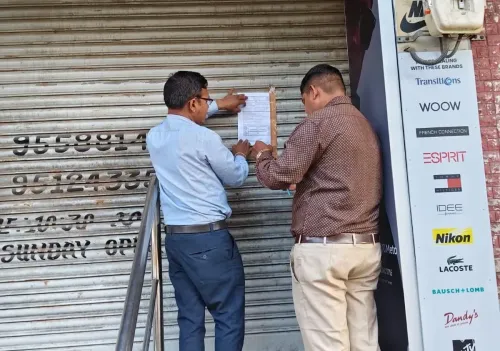
The Ahmedabad Municipal Corporation (AMC) sealed the food unit of M J F FOOD in Behrampura, Ahmedabad on 15 October 2026 .
The unit produced a sauce sold as 'Tasty Snack Touch Up' , resembling tomato ketchup but containing no tomatoes — made instead from potato flakes and corn flour.
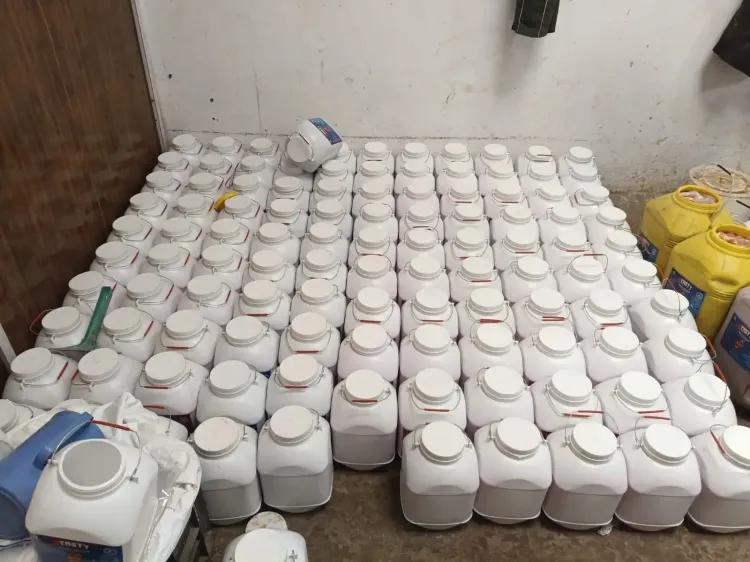
Approximately 2,000 kg of finished products and raw materials have been detained and their sale stopped.
The product was reportedly sold in 5 kg packs at ₹100 each.
FSSAI registration discrepancies and failure to produce purchase bills were also flagged during the inspection.
A product sample has been sent for laboratory testing ; further legal action will follow based on results.
The Ahmedabad Municipal Corporation (AMC) has sealed a food manufacturing unit in the Behrampura area of Ahmedabad after inspectors found it producing a sauce-like product that closely resembled tomato ketchup — without containing any tomatoes. Around 2,000 kg of finished products and raw materials belonging to M J F FOOD have been detained, halting their sale and distribution.
What Inspectors Found
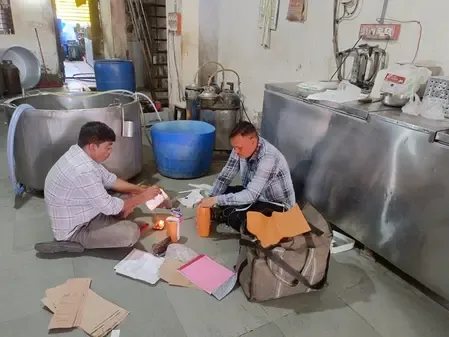
The AMC's Food Safety Department conducted an inspection of the unit, which manufactures a product marketed under the name 'Tasty Snack Touch Up'. According to the department, the product was prepared using potato flakes and corn flour, along with sugar, salt, colour, acetic acid, preservatives, and stabilisers. No tomatoes were used at any stage of the manufacturing process, despite the finished product resembling tomato ketchup in both appearance and texture.
The product was reportedly being sold in 5 kg packs priced at ₹100. Inspectors raised concerns that consumers could easily mistake it for a tomato-based product, triggering scrutiny of the unit's labelling and presentation practices.
FSSAI Registration Discrepancies
The inspection also uncovered irregularities in the unit's FSSAI registration details. Officials noted that registration number 2072605400039 was displayed at the premises, listing M J F FOOD at Survey Nos. 141/142/143, Plot No. 150 (part), Sub-plot No. 20, Lucky Estate, Pirana Sewage Farm Road, Behrampura, Ahmedabad. However, discrepancies were found between the details displayed at the premises and those relating to the business entity, prompting further verification by authorities.
Label Claims vs Actual Ingredients
The product label listed water, vegetable pulp (10%), stabilising agents (INS-1422 and INS-415), iodised salt, an acidity regulator (INS-260), red chilli powder, spices, and condiments. Crucially, the unit failed to produce purchase bills to verify that the ingredients listed on the label were actually used in the manufacturing process — a mandatory requirement under food safety regulations.
Action Taken and What Comes Next
Following the inspection, the department sealed the unit and detained approximately 2,000 kg of finished products, potato powder, and other raw materials. A sample of the sauce has been collected for laboratory testing. 'Further legal action will be taken based on the laboratory analysis report and the findings of the subsequent investigation,' the department said.
The Food Safety Department also reiterated that all food business operators must hold valid FSSAI licences or registrations, display relevant details correctly, maintain purchase bills and required records, and provide accurate information on product labels. This comes amid growing scrutiny of food adulteration and mislabelling practices across Gujarat, where enforcement agencies have intensified inspections in recent months.
Point of View
Texture, and appearance of tomato ketchup, sold at a price point targeting budget consumers, is not an accidental formulation error; it is a deliberate design choice. What makes it more troubling is the FSSAI registration discrepancy: compliance paperwork is the first line of consumer protection, and if those details are themselves unreliable, the entire regulatory chain is weakened. The ₹100-for-5-kg pricing also signals this product was aimed squarely at low-income households and street food vendors — the segment least equipped to scrutinise ingredient lists. Lab results will confirm the legal exposure, but the broader question is how many similar units operate beneath the inspection radar.
NationPress
15 Oct 2026
Frequently Asked Questions
Why was the Ahmedabad food unit sealed by the AMC?
The unit, operated by M J F FOOD in Behrampura, Ahmedabad, was sealed because it was manufacturing a sauce-like product that resembled tomato ketchup without using any tomatoes. Inspectors also found discrepancies in its FSSAI registration details and the unit failed to produce purchase bills for the ingredients listed on its label.
What was the 'Tasty Snack Touch Up' product actually made of?
According to the AMC's Food Safety Department, the product was made from potato flakes and corn flour, along with sugar, salt, colour, acetic acid, preservatives, and stabilisers. No tomatoes were used at any stage, despite the product closely resembling tomato ketchup in appearance and texture.
How much stock was seized and what happens to it?
Around 2,000 kg of finished products, potato powder, and other raw materials have been detained, stopping their sale and distribution. A sample of the sauce has been sent for laboratory testing, and further legal action will be taken based on the test results and subsequent investigation findings.
What FSSAI violations were found at the unit?
Inspectors found discrepancies between the FSSAI registration details displayed at the premises and the actual business details. The unit also failed to produce the purchase bills required to verify that the ingredients listed on the product label were genuinely used in manufacturing — both are violations of food safety regulations.
What are the rules food businesses must follow under FSSAI?
Food business operators must hold valid FSSAI licences or registrations, display those details correctly at their premises, maintain purchase bills and other mandatory records, and ensure that product labels accurately reflect the actual ingredients used. Failure to comply can result in sealing of the unit and prosecution under food safety laws.