Ahmedabad non-standard food samples surge 150% in 2026, AMC data shows
Synopsis
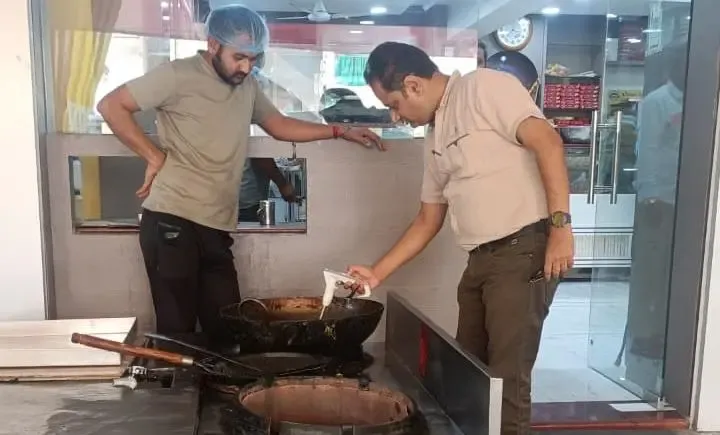
Ahmedabad's food safety failures are no longer easy to dismiss as isolated incidents. The AMC's own data shows non-standard food samples nearly tripling in a year — from 131 to 327 — even as the department more than doubled its sampling, sealed 19 establishments, and collected double the administrative penalties. From loose ghee to pani puri water, the violations span everyday foods served across the city.
Key Takeaways
AMC Food Safety Department recorded 327 non-standard food samples between January and October 2026 , up from 131 in the same period in 2025 — a rise of nearly 150% .
Total samples collected rose from 4,071 in 2025 to 7,339 in 2026, reflecting a sharply expanded inspection drive.
Administrative charges collected jumped from ₹62.11 lakh to ₹1.01 crore year-on-year.
In the 1 October–2 November 2026 period alone, 19 establishments were sealed or closed and 660 notices were issued across 2,226 inspected premises.
Products found non-standard or unsafe included loose ghee, butter, pani puri water, dabeli, and multiple sauce varieties from outlets across Ahmedabad .
The department has warned of intensified inspections ahead, with action under both the FSSAI Act and the GPMC Act for persistent violators.
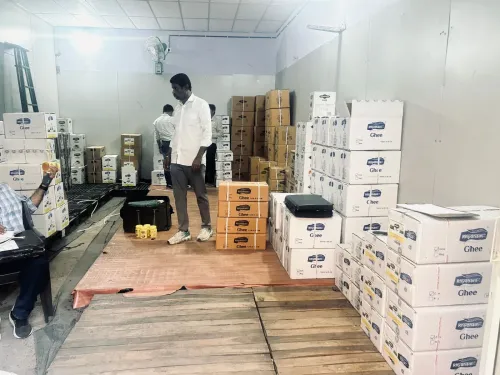
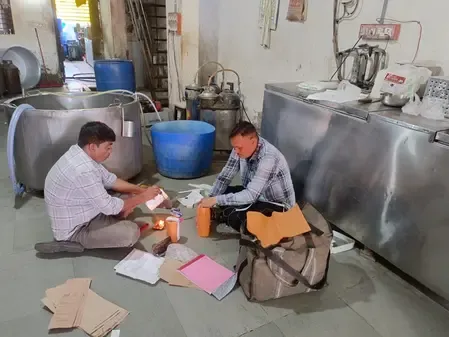
The Ahmedabad Municipal Corporation (AMC) recorded a nearly 150 per cent rise in non-standard food samples between January and October 2026, with the count climbing from 131 in the same period last year to 327 this year, according to data released by the civic body's Food Safety Department on 7 November 2026. The department also collected significantly more samples overall — 7,339 in 2026 against 4,071 in 2025 — reflecting an intensified inspection drive across the city.
Scale of the Inspection Drive
The expanded sampling effort is a key context behind the surge in non-standard detections. Administrative charges collected by the department rose from ₹62.11 lakh in 2025 to ₹1.01 crore in 2026, underscoring both greater enforcement activity and higher penalties imposed on errant operators.
In its most recent inspection report, covering 1 October to 2 November 2026, the department said it collected 841 samples from food business establishments across various zones of Ahmedabad. These included 167 samples of sweets, 80 of fafda and jalebi, 95 of namkeen, 74 of milk and milk products, 44 of besan and flour, 30 of spices, 18 each of edible oil and bakery products, and 8 of mukhwas, with 307 samples categorised as other food products.
Products and Establishments Found Non-Standard
Of the 841 samples collected in October, 27 were declared non-standard and some were also found unsafe; action was initiated against the respective food business operators under the Food Safety and Standards Act, 2006.
Non-standard samples included loose ghee from Gujarat Dairy in Dariyapur and Vijay Dairy in Vastral; butter samples from Om Food Centre in Sarkhej, Surti Live Dhokla, and Lakshya Live Chula Dosa at Mahadev Food Court in Nikol; and tomato sauce from Janta Fast Food in Maninagar.
Other flagged items included dabeli from Shreeji Dabeli and Vadapav in Ghatlodia, puff from L.Y.P.S. in Nikol, pani puri water from Radhe Shyam Pakodi Centre in Bhadaj, and sauce from Shree Ganesh Sandwich in Jodhpur and Desi Delo at Alakh No Otlo Food Court on SP Ring Road.
Products collected from I Shree Khodiyar Gruh Udyog in Gota — including potato paste, tomato paste, fruit squash, and starch powder — were declared substandard, substandard, unsafe, and substandard respectively. A snack topping product from Avon Brothers in Gota was also declared substandard. Additionally, three products — tomato ketchup, red chilli sauce, and green chilli sauce — from Bharat Food in Vatva were found substandard.
Sealed Establishments and Key Violations
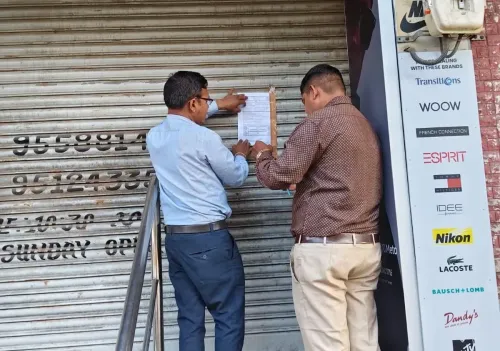
During the 1 October–2 November period, the department inspected 2,226 food business establishments, issued 660 notices, destroyed an estimated 1,345 kg or litres of unwholesome food, and collected administrative charges of ₹11,28,500. It also sealed or closed 19 establishments for violations including operating without valid Food Safety and Standards Authority of India (FSSAI) licences, unhygienic conditions, discrepancies in sauce ingredients, and non-compliance with food safety requirements.
Among those facing action were Ashrafi Mutton and Chicken in Naroda, Arman Bakery in Rakhial, Shree Industries in Kathwada, MJF Food in Behrampura, N-Mangilal Masala Private Limited in Narol, and A.N. Gruh Udyog in Danilimda. Four establishments — Prakashkumar Kanaiyalal, Amratlal Kuber Das Namkeenwala, Shyam Sundar Food Products, and Swastik Foods — were found to lack valid contracts for disposal of used cooking oil. H.M. Varkh Wala in Kalupur was found with duplicate edible silver leaf, while Maa Bhajiya Pakoda in Naranpura was sealed after total polar compounds (TPC) in its frying oil were recorded at 27.5.
What the AMC Said and What Comes Next
The Food Safety Department said it would intensify inspections in the coming days, with a focus on hygienic conditions and valid licences. Officials stated that establishments found operating without the required licences or violating food safety regulations would face action under both the FSSAI and the Gujarat Provincial Municipal Corporations (GPMC) Act.
The sharp rise in non-standard detections this year comes as the AMC has significantly scaled up its sampling capacity — nearly doubling the number of samples collected compared to 2025. Whether the increase reflects a genuine deterioration in food safety standards or is partly an artefact of higher testing volumes remains a question that the department's forthcoming reports may help answer.
Point of View
But it must be read alongside the fact that AMC nearly doubled its sampling — a methodology shift that mechanically inflates detection counts. The more revealing number is the administrative penalty collection crossing ₹1 crore, which suggests enforcement is finally carrying financial bite. What the data does not yet show is whether repeat offenders are being caught, or whether the department is cycling through first-time violators without structural deterrence. Sealing 19 establishments in a single month is a headline action; the real test is recidivism rates in the next annual report.
NationPress
8 Nov 2026
Frequently Asked Questions
Why did non-standard food sample detections in Ahmedabad rise by 150% in 2026?
The number of non-standard food samples detected by the AMC's Food Safety Department rose from 131 in January–October 2025 to 327 in the same period in 2026. The increase coincides with a near-doubling of total samples collected — from 4,071 to 7,339 — suggesting that greater inspection intensity is at least partly responsible, alongside actual food quality violations.
Which food products were declared non-standard or unsafe in Ahmedabad in October 2026?
Products found non-standard or unsafe included loose ghee from multiple dairies, butter from several food outlets, tomato and chilli sauces, pani puri water, dabeli, potato paste, tomato paste, fruit squash, starch powder, low-fat paneer, mawa, and a snack topping product. Action was initiated against the respective operators under the Food Safety and Standards Act, 2006.
How many food establishments were sealed by the AMC in October–November 2026?
The AMC Food Safety Department sealed or closed 19 food establishments between 1 October and 2 November 2026. Violations included operating without valid FSSAI licences or registrations, unhygienic conditions, sauce ingredient discrepancies, and non-compliance with prescribed food safety requirements.
What penalties were imposed by AMC's Food Safety Department in 2026?
Administrative charges collected by the AMC Food Safety Department rose from ₹62.11 lakh in January–October 2025 to ₹1.01 crore in the same period in 2026. During October 1–November 2 alone, charges of ₹11,28,500 were collected and 1,345 kg or litres of unwholesome food was destroyed.
What action is the AMC planning next on food safety?
The AMC Food Safety Department has said it will intensify inspections of food establishments, focusing on hygiene and valid licences. Officials warned that any establishment found operating without required licences or violating food safety regulations will face action under both the FSSAI Act and the Gujarat Provincial Municipal Corporations (GPMC) Act.