Akhilesh backs Jauhar University protest, demands BJP end 'vendetta'
Synopsis
Samajwadi Party president Akhilesh Yadav on 25 July 2026 backed students protesting to protect Jauhar University in Rampur, demanding the BJP government apply its own regularisation orders to the university without discrimination and stop endangering youth futures for political revenge.
Key Takeaways
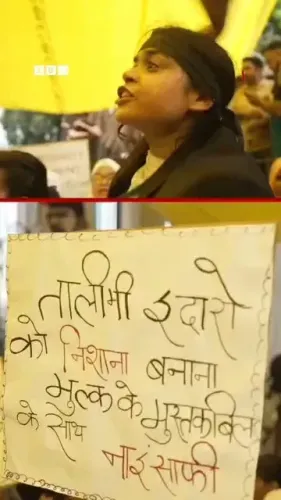
Akhilesh Yadav publicly backed the 'Shiksha ki Raksha' student dharna at Jauhar University, Rampur on 25 July 2026 .
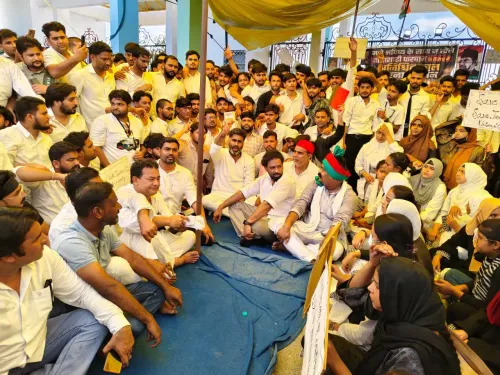
Samajwadi Party MPs and MLAs joined the sit-in protest to support the students.
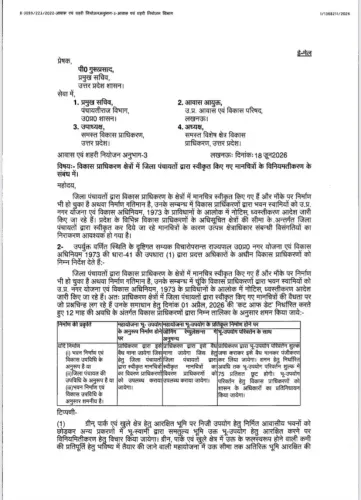
Akhilesh demanded the UP government apply its own building-regularisation shasanadesh to Jauhar University just as it does for other institutions.
He accused the BJP of 'discrimination and exclusion' against the university and of endangering youth futures through political vendetta.
The BJP government in Lucknow had not issued a public response at the time of posting.
The dispute may escalate to court if no administrative resolution is reached.
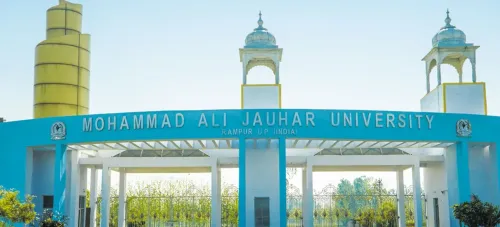
Samajwadi Party president Akhilesh Yadav on Saturday, 25 July 2026, threw his party's weight behind students staging a dharna to save Jauhar University in Rampur, Uttar Pradesh, accusing the BJP government of discriminatory enforcement of building-regularisation rules against the institution.
Context
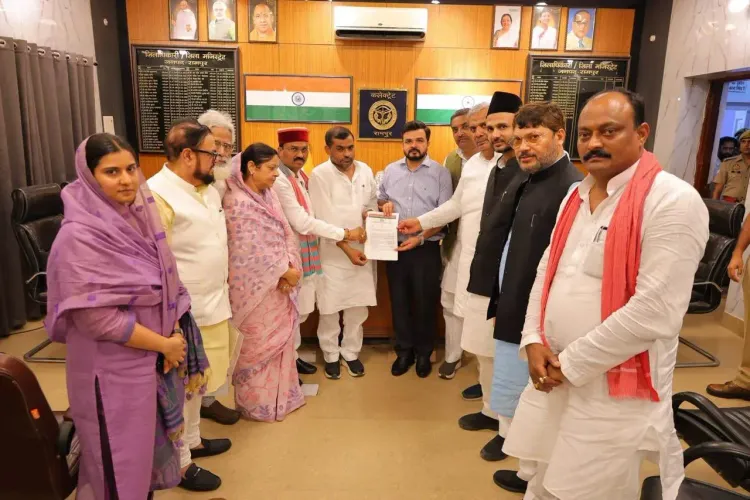
Posting on X, Akhilesh declared that the 'Shiksha ki Raksha' ('Protection of Education') movement 'will also win,' noting that Samajwadi Party MPs and MLAs had joined the sit-in protest to encourage the students. The post came with two images, apparently from the dharna site in Rampur.
The core of his charge was a pointed question: if the Uttar Pradesh government can regularise constructions at other institutions through its own shasanadesh (government order), why is Jauhar University being treated differently? He called the treatment of the university 'bhedbhav-duraav' — discrimination and exclusion.
Policy Backdrop
The dispute centres on construction regularisation norms in Uttar Pradesh. State governments in UP have, at various points, issued shasanadesh to regularise buildings and structures across sectors — a mechanism the opposition argues should apply uniformly to all institutions, including Jauhar University.
The Samajwadi Party's position is that selectively withholding such regularisation from one university amounts to using administrative machinery as a political instrument. Akhilesh stated directly: 'We all demand that the BJP should not throw the future of youth into the fire of its vendetta.'
Stakeholders and Impact
Jauhar University, located in Rampur, is a higher-education institution whose students are at the centre of the protest. Their academic futures — including access to classes, examinations, and degrees — are directly tied to the university's operational status.
The protest has drawn in elected representatives from the Samajwadi Party, elevating it from a campus agitation to a formal political confrontation. For youth in Uttar Pradesh more broadly, the episode has become a flashpoint in the ongoing debate over whether regulatory action against educational institutions is driven by policy or partisan calculation.
The BJP government in Lucknow has not yet issued a public response to the regularisation demand, and the matter may be heading toward legal challenge if an administrative resolution is not reached.
What's Next
The immediate question is whether the Uttar Pradesh government will respond to the demand for regularisation under its existing shasanadesh framework, or whether the university or students will approach the courts. The Samajwadi Party's decision to deploy MPs and MLAs signals that the party intends to keep political pressure on the issue through the legislative session and beyond.
With state assembly politics in Uttar Pradesh always closely watched nationally, how the BJP administration handles the Jauhar University dispute could shape perceptions of its approach to minority-run educational institutions in the run-up to future elections.
Point of View
A pattern familiar in Uttar Pradesh where higher-education approvals frequently intersect with electoral rivalry. By framing the issue as BJP 'vendetta' against a specific institution, the Samajwadi Party seeks to consolidate opposition sentiment among students and minority communities ahead of future electoral cycles. The demand for uniform application of the government's own shasanadesh is legally and procedurally targeted — it is harder to rebut than a purely political argument. How the Yogi Adityanath government responds will test whether it can separate regulatory enforcement from the perception of partisan targeting.
NationPress
25 Oct 2026
Frequently Asked Questions
What is the Jauhar University controversy in Rampur?
Jauhar University in Rampur, Uttar Pradesh, is facing regulatory action over certain constructions on its campus. Students and the Samajwadi Party argue that the UP government should regularise these constructions under its own shasanadesh, the same mechanism used for other institutions, rather than singling out the university.
Why is Akhilesh Yadav supporting the Jauhar University protest?
Akhilesh Yadav, as Samajwadi Party president, has backed the student dharna calling it the 'Shiksha ki Raksha' (Protection of Education) movement. He accuses the BJP government of discriminatory enforcement and political vendetta against the university.
What is a shasanadesh and how does it relate to Jauhar University?
A shasanadesh is a government order issued by the state administration. The Samajwadi Party argues that the Uttar Pradesh government has used such orders to regularise constructions at other institutions and should apply the same process to Jauhar University instead of taking adverse action against it.
What is the 'Shiksha ki Raksha' movement?
'Shiksha ki Raksha' means 'Protection of Education' in Hindi. It is the name given to the student-led protest movement at Jauhar University in Rampur, which has now received formal support from Samajwadi Party MPs and MLAs.
What happens next in the Jauhar University case?
The immediate next step depends on whether the Uttar Pradesh government responds to the regularisation demand. If no administrative resolution is reached, the university or students may approach the courts. The Samajwadi Party has indicated it will maintain political pressure on the issue.