Akhilesh Yadav backs Riya Ahir amid NEET protest in Mumbai
Synopsis
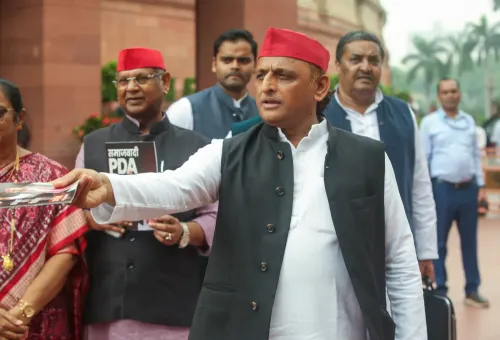
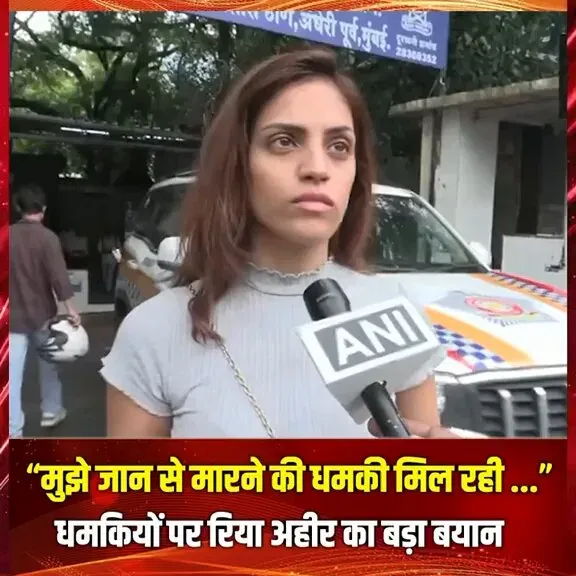
Samajwadi Party president Akhilesh Yadav on 27 July 2026 publicly backed Riya Ahir, a student at the centre of Mumbai's NEET protest, posting a Hindi verse praising her courage and warning that threats would not silence her, as opposition scrutiny of the national medical entrance exam intensifies.
Key Takeaways
Akhilesh Yadav posted on 27 July 2026 in solidarity with Riya Ahir , a student protester linked to the Mumbai NEET agitation .
His post included a Hindi couplet framing Riya as someone who 'singlehandedly stopped injustice' and dismissed threats against her as ineffective.
The hashtags #Shukriya_Riya and #MumbaiProtest were used to amplify the protest nationally.
NEET has been a single mandatory national medical entrance exam since 2016 , replacing state-level tests and drawing sustained criticism over equity and alleged irregularities.
Opposition parties, including the Samajwadi Party , have a pattern of using student protest moments to challenge central government accountability on education.
Parliamentary debates on NEET reform are expected to intensify as protests continue.
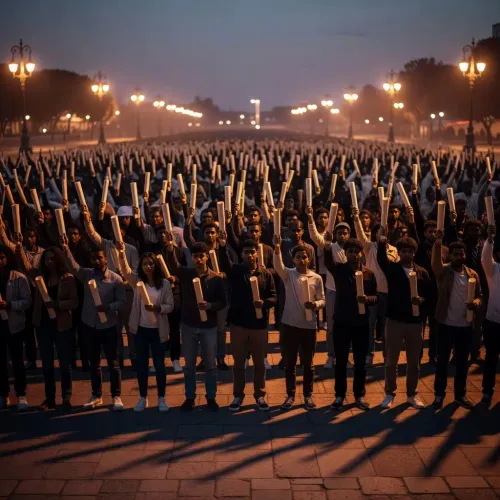
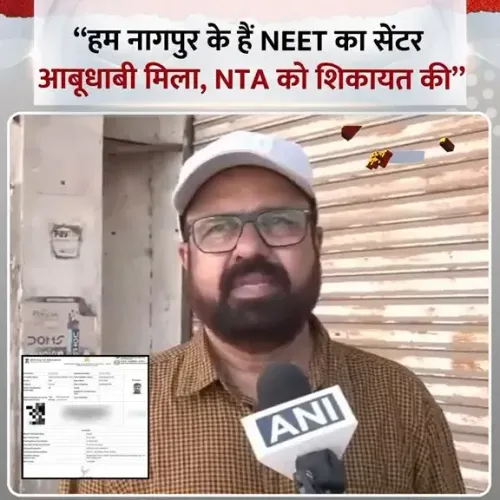
Samajwadi Party president Akhilesh Yadav on Monday, 27 July 2026, expressed strong solidarity with Riya Ahir, a student protester who has emerged as a prominent face of ongoing agitation against the National Eligibility cum Entrance Test (NEET) in Mumbai, saying the entire country stands with her.
Context
Yadav posted a couplet in Hindi on the social media platform X, declaring: 'Jisne akele hi rok diya ek haath se zulm ka safar / Nadaan hain jo sochte hain hoga us par dhamkiyon ka asar' — loosely translated as, 'She who singlehandedly stopped the march of injustice with one hand / Naive are those who think threats will have any effect on her.' He followed the verse with a direct message: 'The entire country is with Riya. Thank you, Riya!'
The post carried the hashtags #Shukriya_Riya, #RiyaAhir, #MumbaiProtest, and #NEET, signalling a deliberate effort to amplify the protest's visibility at the national level. A video was attached to the post, though its specific contents were not independently verified at the time of publication.
Policy Backdrop
NEET became the single mandatory national entrance examination for undergraduate medical admissions across India from 2016 onwards, replacing a patchwork of state-level tests. The transition was controversial from the outset, with critics arguing it disadvantaged students from regional-language mediums and rural backgrounds, and that it centralised a process that had previously allowed states greater autonomy over medical education.
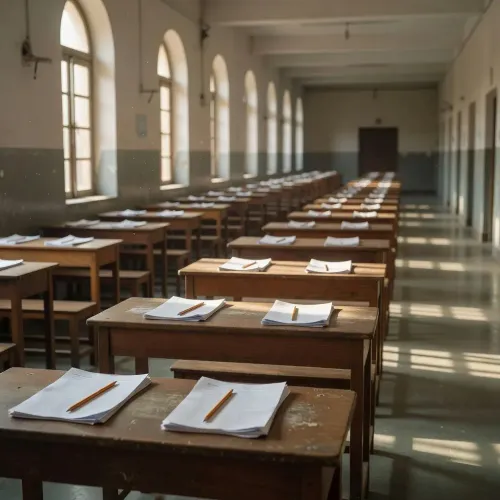
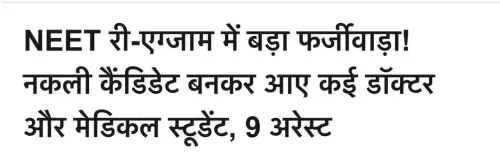
Concerns over alleged irregularities in NEET conduct, paper leaks, and questions of equity have periodically triggered student protests in cities including Mumbai, Patna, and New Delhi. Opposition parties — particularly those with strong state-level bases — have consistently used these moments to question central government accountability on education policy.
Stakeholders and Impact
Medical aspirants and their families form the core constituency affected by NEET-related disputes, with lakhs of students appearing for the examination each cycle. Protest movements centred on NEET have drawn participation from student organisations, parents, and civil society groups who argue the exam's current structure is structurally inequitable.
For the Samajwadi Party, which draws significant support from Uttar Pradesh's student and youth demographic, backing a student protester in Maharashtra is also a signal of the party's ambition to project a national, cross-state identity on education and social justice issues. Yadav's post positions the party alongside what he frames as a grassroots challenge to institutional intimidation.
What's Next
Parliamentary debates on proposed reforms to NEET's conduct and oversight framework are expected to intensify, with opposition benches likely to cite ongoing protests as evidence of systemic failure. The schedule for the next NEET examination cycle will be closely watched by student groups and state governments alike.
Whether Yadav's public endorsement translates into formal legislative action — such as tabling a private member's bill or raising the matter during Question Hour — will be a measure of how far the party intends to press this issue beyond social media solidarity.
Point of View
Poetic terms and dismissing threats against her, Yadav adopts the language of moral resistance rather than procedural critique, a register that travels well on social media. This fits a broader opposition pattern of using NEET agitations to keep central government accountability on education in the public eye ahead of parliamentary sessions. The move carries low political risk and high symbolic reward for a party looking to consolidate its standing among youth voters nationally.
NationPress
25 Oct 2026
Frequently Asked Questions
Who is Riya Ahir and why is she in the news?
Riya Ahir is a student who has emerged as a prominent face of protests against NEET in Mumbai in 2026. Samajwadi Party president Akhilesh Yadav praised her on 27 July 2026, saying the entire country stands with her, bringing her wider national attention.
What is Akhilesh Yadav's connection to the NEET protest?
Akhilesh Yadav has no direct administrative role in NEET, but as Samajwadi Party president and a Lok Sabha MP, he used his social media platform on 27 July 2026 to express solidarity with student protesters, continuing the opposition's pattern of scrutinising the exam's conduct.
What is NEET and why is it controversial?
NEET is the National Eligibility cum Entrance Test, India's single mandatory medical entrance exam introduced in 2016. It has drawn criticism over alleged irregularities, paper leaks, and concerns that it disadvantages students from regional-language mediums and rural areas.
What did Akhilesh Yadav post about Riya Ahir?
Akhilesh Yadav posted a Hindi couplet saying Riya singlehandedly stopped the march of injustice and that threats against her would have no effect. He added, 'The entire country is with Riya. Thank you, Riya!'
What happens next in the NEET controversy?
Parliamentary debates on reforms to NEET's conduct and oversight are expected to intensify. Opposition parties are likely to raise ongoing protests in Parliament, while the schedule for the next NEET examination cycle will be closely watched by students and state governments.