Akhilesh Yadav accuses BJP of betraying youth agitators
Synopsis
Samajwadi Party president Akhilesh Yadav on 25 July 2026 accused the BJP of reneging on assurances given to youth agitators within hours, alleging misconduct and violence by BJP leaders, demanding immediate arrests, and calling the BJP 'the antonym of trust.'
Key Takeaways
Akhilesh Yadav posted on X on 25 July 2026 addressing youth agitators across the country.
He alleged that BJP leaders violated assurances given by their own top leadership within hours of making them.
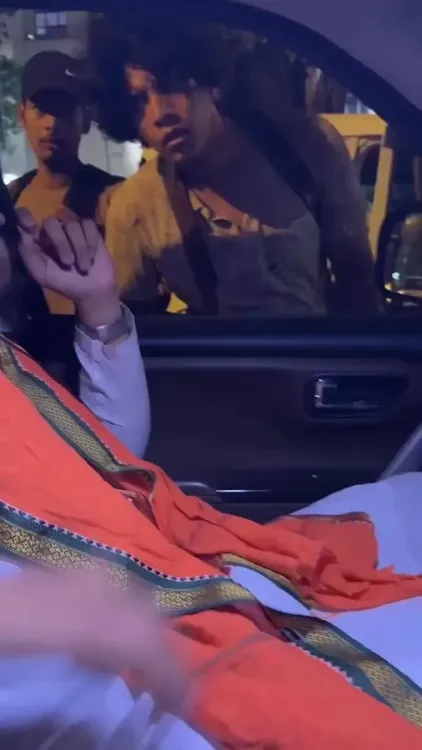
Yadav claimed BJP leaders were filming their own misconduct, calling it an act of open impunity.
He demanded immediate arrests of those responsible for violence and misbehaviour against agitators.
He inverted the BJP's 'double engine' slogan, calling it a source of internal collision rather than governance efficiency.
He closed with the formulation: 'BJP is the antonym of trust,' framing the incident as part of the party's historical pattern.
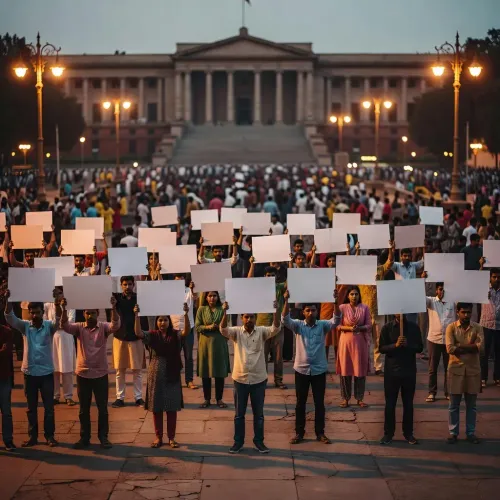
Samajwadi Party president Akhilesh Yadav on Saturday, 25 July 2026, sharply attacked the Bharatiya Janata Party, accusing it of breaking assurances given to protesting youth within hours of making them and of permitting — or enabling — violence and misconduct against agitators across the country.
Context
Posting in Hindi on X, Yadav addressed his message directly to 'deshbhar ke aandolankaariyon' — 'agitators across the country' — urging them to take note of what he described as the BJP's 'misbehaviour, abusive language, and violence.' He alleged that BJP leaders were publicly tearing apart assurances given by their own top leadership, and were even recording videos of the conduct — a detail he presented as evidence of brazen impunity.
Yadav demanded immediate arrests of those responsible, writing: 'Turant giraftaari ho!' ('Immediate arrests must happen!'). He closed with a pointed formulation: 'Bharose ka vilom BJP' — 'BJP is the antonym of trust' — framing the episode as consistent with what he called the party's historical pattern of deception.
Policy Backdrop
The reference to 'double engine' — 'double engine ki takrahat' ('the collision of the double engine') — is a pointed inversion of the BJP's own campaign language. The party has long promoted its simultaneous hold on central and several state governments as a 'double engine' that delivers coordinated development. Yadav's use of the phrase reframes it as a source of internal contradiction and broken promises rather than efficiency.
Indian opposition parties, including the Samajwadi Party, have repeatedly accused the BJP of giving verbal or written assurances to protesting groups — particularly youth mobilised around employment, competitive examinations, or reservation demands — only to walk back those commitments. Yadav's post fits squarely within this pattern of political contestation, though the specific agitation he references has not been independently confirmed.
Stakeholders and Impact
The immediate audience for Yadav's post is the organised body of youth agitators whose movement apparently received some form of official assurance in the hours before the post was published. By going public on X, Yadav is both amplifying the agitators' grievance and positioning the Samajwadi Party as their political ally.
The BJP — which has governed Uttar Pradesh since 2017 and holds power at the centre — faces pressure to respond to the dual charge: that its local leaders violated a commitment made at the top, and that those leaders did so openly, on camera. The mention of video evidence, if substantiated, could intensify scrutiny on the party's internal discipline and its handling of youth-led protests.
What's Next
Attention will now turn to whether Uttar Pradesh authorities or central government representatives issue any response — either confirming the assurances Yadav references, clarifying the status of any arrests, or disputing his account of events. The BJP's silence or rebuttal will likely shape the next phase of the agitation.
For the Samajwadi Party, the episode provides a fresh line of attack ahead of any electoral cycle in the state. Yadav's framing — that the BJP is constitutionally incapable of keeping its word to young people — is designed to harden the party's base among youth voters in Uttar Pradesh and beyond.
Point of View
It could force the BJP into a reactive posture at a time when youth unemployment and examination-related grievances remain politically sensitive. The demand for 'immediate arrests' also puts state and central authorities on notice, making any inaction a story in itself.
NationPress
25 Oct 2026
Frequently Asked Questions
What did Akhilesh Yadav say about the BJP and youth agitators?
Akhilesh Yadav accused the BJP of breaking assurances given to youth agitators within hours of making them, alleged that BJP leaders engaged in misconduct and violence, and demanded their immediate arrest.
What does 'double engine ki takrahat' mean in Akhilesh Yadav's post?
It is a sarcastic inversion of the BJP's 'double engine government' slogan. Yadav used it to suggest that having the same party in power at the centre and in the state creates internal contradiction and broken promises rather than efficient governance.
Who are the agitators Akhilesh Yadav referred to?
Yadav addressed 'agitators across the country' — a phrase indicating an organised protest movement, likely involving youth groups. The specific agitation referenced in the 25 July 2026 post has not been independently confirmed.
Did Akhilesh Yadav name specific BJP leaders in his post?
No. Yadav referred to 'BJP leaders' and 'their top leadership' collectively without naming individuals in the post.
What action did Akhilesh Yadav demand after the alleged breach of assurances?
Yadav demanded the immediate arrest of BJP leaders he accused of misconduct, violence, and publicly violating assurances given to the protesting youth.