Akhilesh Yadav: Delimitation will be BJP's biggest blunder
Synopsis
Samajwadi Party president Akhilesh Yadav on 27 November 2026 warned that delimitation will prove the biggest mistake of BJP politics. India's constituency map has been frozen since the 1971 census, with the freeze due to lift after the first census following 2026. Northern population growth and southern seat-share fears now collide over the next redraw.
Key Takeaways
Samajwadi Party president Akhilesh Yadav on 27 November 2026 said delimitation will prove the biggest mistake of BJP politics.
He posted the remark in Hindi on X, using the word परिसीमन for delimitation.
The 42nd Amendment of 1976 froze delimitation on the 1971 census; the 84th Amendment of 2001 extended the freeze until after the first census post-2026.
Northern states with higher population growth stand to gain seats; southern states such as Tamil Nadu and Kerala fear a loss of relative Lok Sabha weight.
Parliament could later amend the Representation of the People Act or constitute a new Delimitation Commission; exact timing remains unsettled.
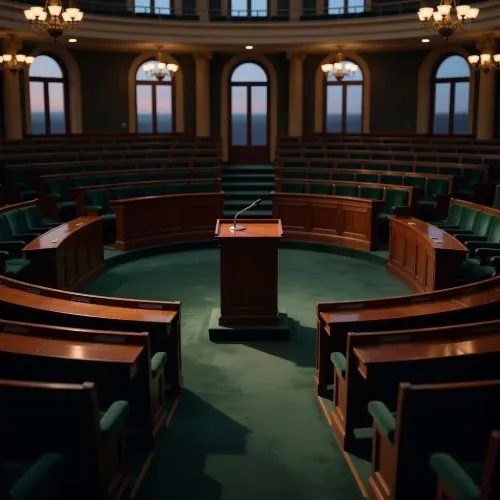
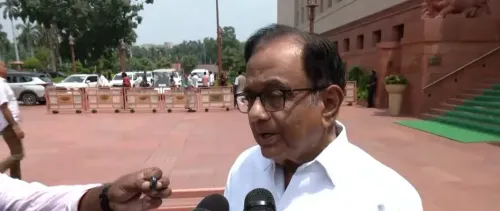
Samajwadi Party president Akhilesh Yadav on Friday, 27 November 2026, took a word frozen in the Constitution for fifty years and made it a political indictment: delimitation, he said, will prove the biggest mistake of the Bharatiya Janata Party's politics. The former Uttar Pradesh chief minister and sitting Lok Sabha MP posted the warning in a single Hindi line on X, placing the next redraw of parliamentary seats at the heart of India's federal fight.
Yadav wrote: ‘परिसीमन’ भाजपा की राजनीति की सबसे बड़ी भूल साबित होगा। In English: ‘Delimitation will prove to be the biggest mistake of the BJP's politics.’ He added no further detail. The term he chose, however, sits at the centre of the next great contest over who gets how many voices in the Lok Sabha.
The freeze that began with the 1971 census
Delimitation is the constitutional process of redrawing Lok Sabha and state assembly constituency boundaries on the basis of population. The 42nd Constitutional Amendment of 1976 froze that exercise on the 1971 census until 2000. The 84th Amendment of 2001 then extended the freeze until after the first census conducted after 2026.
The bargain was explicit. States that slowed population growth would not lose political weight to states that did not. For five decades, India's parliamentary map has been a snapshot of a country whose demographic centre of gravity has since moved.
Northern growth, southern seats and the federal bargain
Northern states with higher population growth stand to gain seats if the freeze is lifted and representation is reapportioned. Southern states that achieved lower fertility, among them Tamil Nadu and Kerala, fear a loss of relative voice in the Lok Sabha. Regional parties have treated that prospect as a test of the federal compact itself.
BJP-led governments at the Centre have signalled an intent to proceed after the next census, a stance that has drawn opposition criticism that the exercise could be perceived as regionally imbalanced. Yadav's post aligns the Samajwadi Party with that critique, without spelling out an alternative formula for seats.
The Representation of the People Act and a new commission
The next moves sit in statute and in statehouses. Parliament could amend the Representation of the People Act or constitute a new Delimitation Commission once a census after 2026 is in hand. Assemblies in Tamil Nadu, Kerala and other southern states have already been a venue for resolutions against any seat-share they argue would punish demographic success.
Exact timing and contours of any exercise remain unsettled. What is no longer unsettled is the politics. A one-line warning from Uttar Pradesh's most prominent opposition leader has made delimitation, once a dry constitutional term, a live campaign issue.
The map of India will eventually be redrawn. The fight now is over whose India that map will measure, and who pays the political price for measuring it.
Point of View
And opposition parties are staking a claim before any commission is named. For the ruling party, proceeding after the next census is a question of equal votes per citizen; for regional parties, it is a question of whether demographic success is punished. The next census, and any move to amend the Representation of the People Act, will decide whether this remains a slogan or becomes a defining parliamentary fight.
NationPress
27 Nov 2026
Frequently Asked Questions
What did Akhilesh Yadav say about delimitation?
Samajwadi Party president Akhilesh Yadav said delimitation will prove to be the biggest mistake of the BJP's politics. He posted the remark in Hindi on X on 27 November 2026, without adding further detail in the same post.
What is delimitation in India?
Delimitation is the constitutional process of redrawing Lok Sabha and state assembly constituency boundaries on the basis of population. A freeze based on the 1971 census has been in force, later extended until after the first census following 2026.
Why was delimitation frozen after 1976?
The 42nd Constitutional Amendment of 1976 froze delimitation on the 1971 census until 2000 so that states with slower population growth would not lose seats. The 84th Amendment of 2001 then extended that freeze until after the first census post-2026.
Why do southern states worry about delimitation?
Southern states such as Tamil Nadu and Kerala achieved lower population growth and fear losing relative Lok Sabha weight if seats are reapportioned to faster-growing northern states. Regional parties have framed the issue as a test of India's federal balance.
When will the next Delimitation Commission be formed?
A new commission would typically follow a census after 2026 and could require parliamentary moves on the Representation of the People Act. Exact timing and the shape of any exercise are not yet settled.